Cargo moving through the Middle Corridor is rising year after year, and Azerbaijan says the route is gaining relevance as geopolitical disruptions push shippers to seek alternatives to longer and riskier sea lanes.
Azerbaijan Says Middle Corridor Gains Capacity
That matters because the East-West route linking China and Central Asia to Europe has become more than a regional transit project: it is turning into a strategic trade artery for countries looking to bypass chokepoints, sanctions risk and freight volatility. Azerbaijan Foreign Minister Jeyhun Bayramov said at a joint press conference with Georgia’s foreign minister that international interest in the corridor has increased sharply in recent years as global geopolitical shifts make it more attractive.
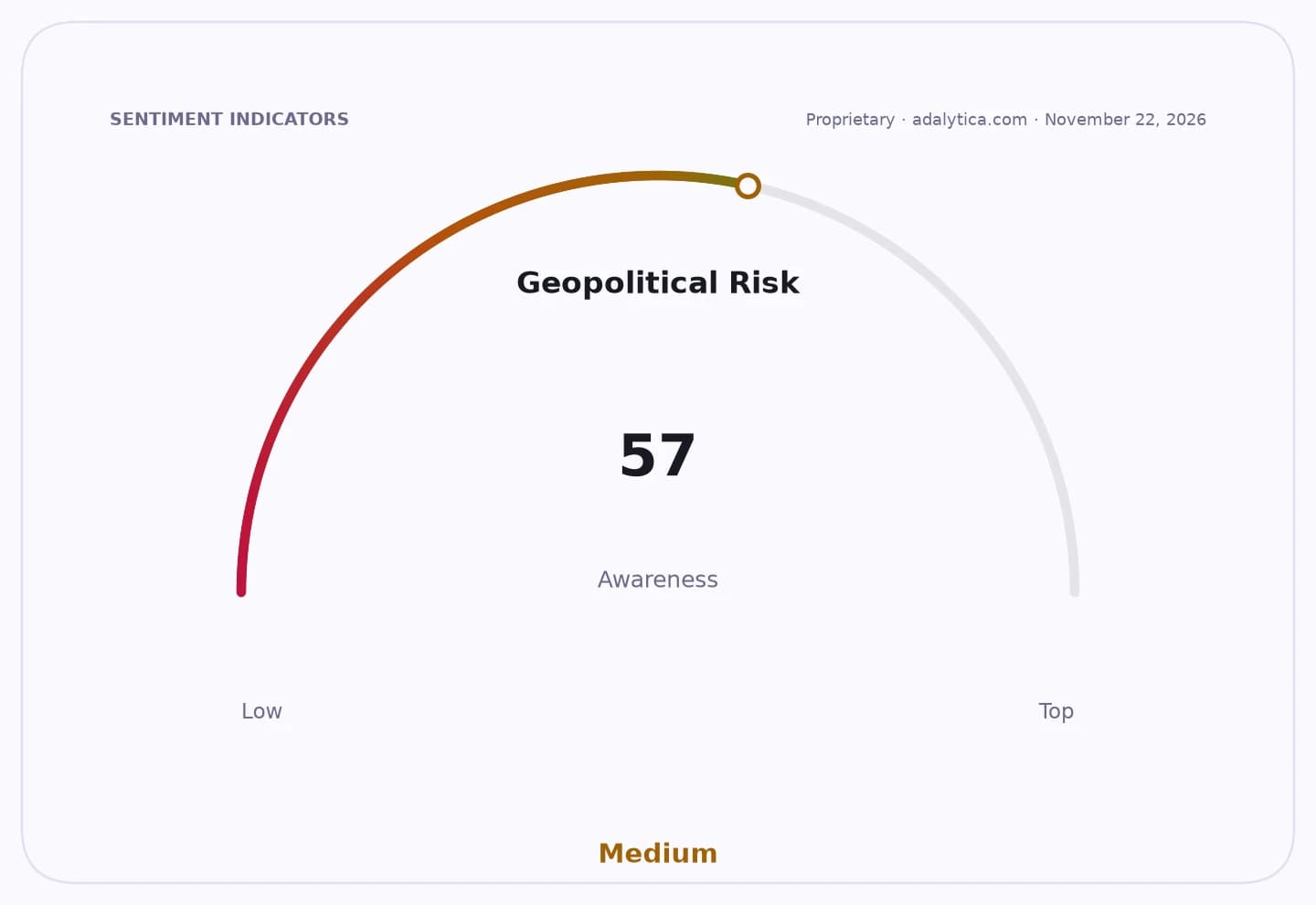
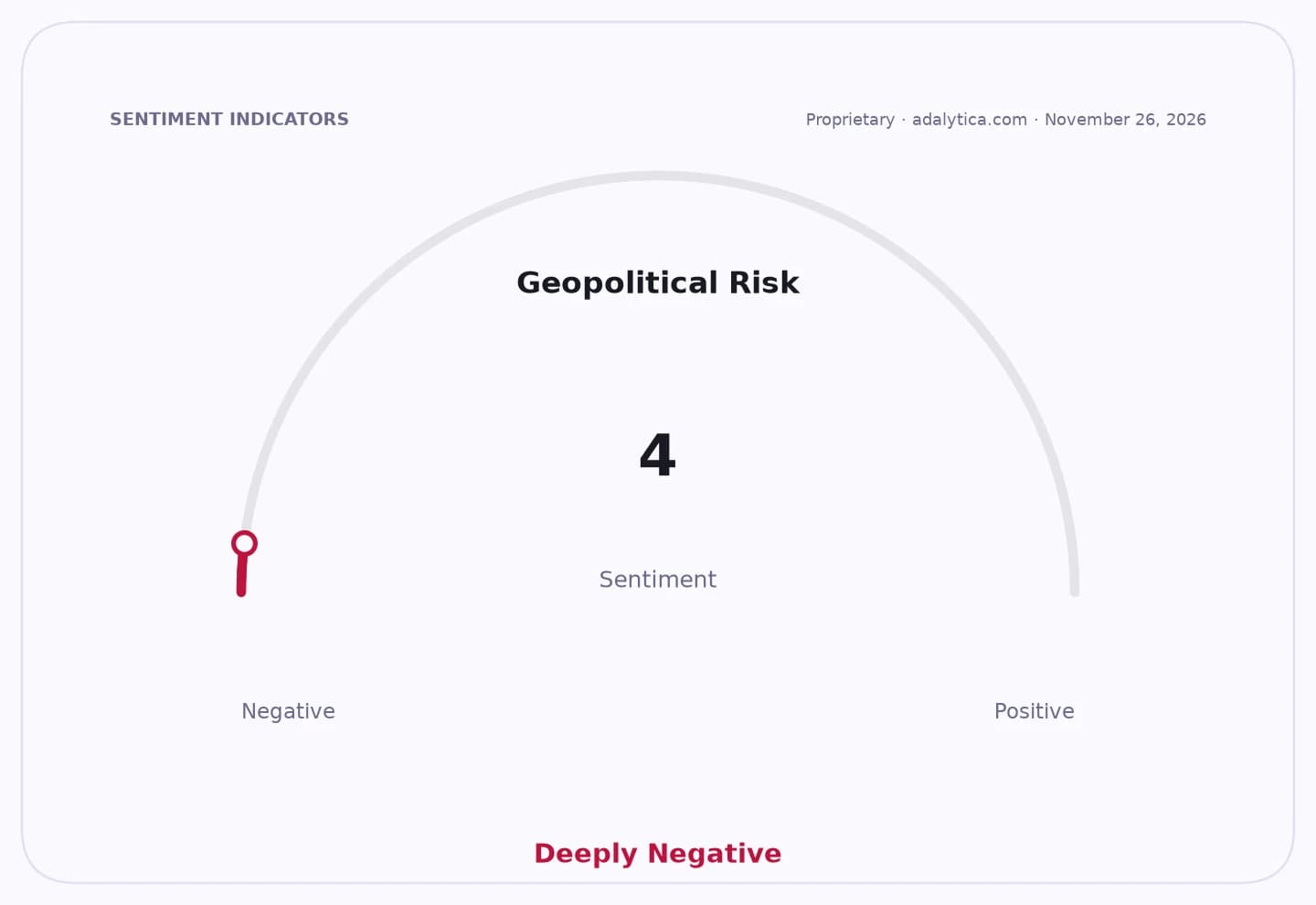
Sentiment Indicators
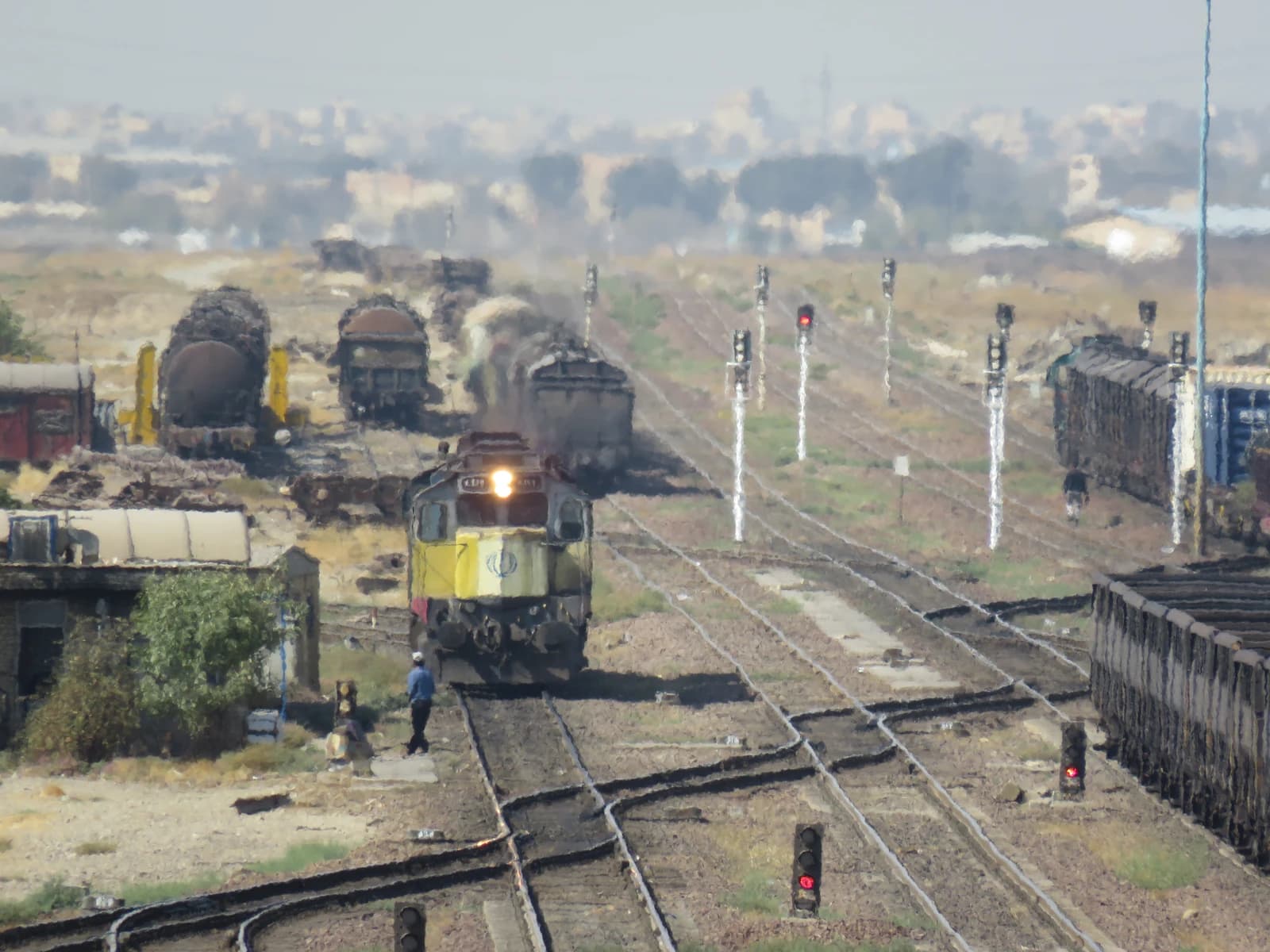
The immediate economic significance is capacity. Bayramov highlighted the completion this year of upgrades on the Georgian section of the Baku-Tbilisi-Kars railway, saying the line is now operating at full strength. For freight forwarders and logistics operators, that reduces a key bottleneck on the land bridge between the Caspian and Black Sea regions and improves the reliability of transit times, which is often more important than headline speed. In an environment where global maritime trade is expected to remain stagnant through 2026, according to the United Nations, more dependable overland routes can command a premium.
For investors, the story sits at the intersection of infrastructure, rail freight and regional geopolitics. Higher volumes through the Middle Corridor support the investment case for rail operators, port assets, customs modernization and warehousing across Azerbaijan, Georgia and neighboring transit states. They also reinforce demand for complementary logistics networks that can capture cargo rerouted away from sea freight. The broader trend has implications beyond the Caucasus: as trade flows diversify, countries with corridor infrastructure can gain pricing power and strategic leverage.
The message from Baku and Tbilisi is that the corridor is moving from concept to capacity. If volumes continue to rise, the next question for markets will be whether regional governments can keep pace with spending on track, terminals and border efficiency fast enough to preserve the route’s competitiveness against established maritime and northern rail alternatives.
| Entity | Gains | Losses |
|---|---|---|
| Azerbaijan and Georgia | ▲Higher transit fees and strategic relevance | ▼Higher maintenance and capex needs |
| Rail and logistics operators | ▲More freight demand | ▼Capacity constraints if upgrades lag |
| Shippers seeking alternatives | ▲Shorter-risk land route | ▼Sea freight carriers on affected lanes |
| Maritime trade routes | ▲— | ▼Share of cargo flows to land corridors |