The United States’ pressure campaign on Iran risks weakening the very transport corridors Washington says it wants to build in Central Asia, because the region still depends on Iranian sea access to reach global markets.
Iran Pressure Risks Central Asia Transport Routes
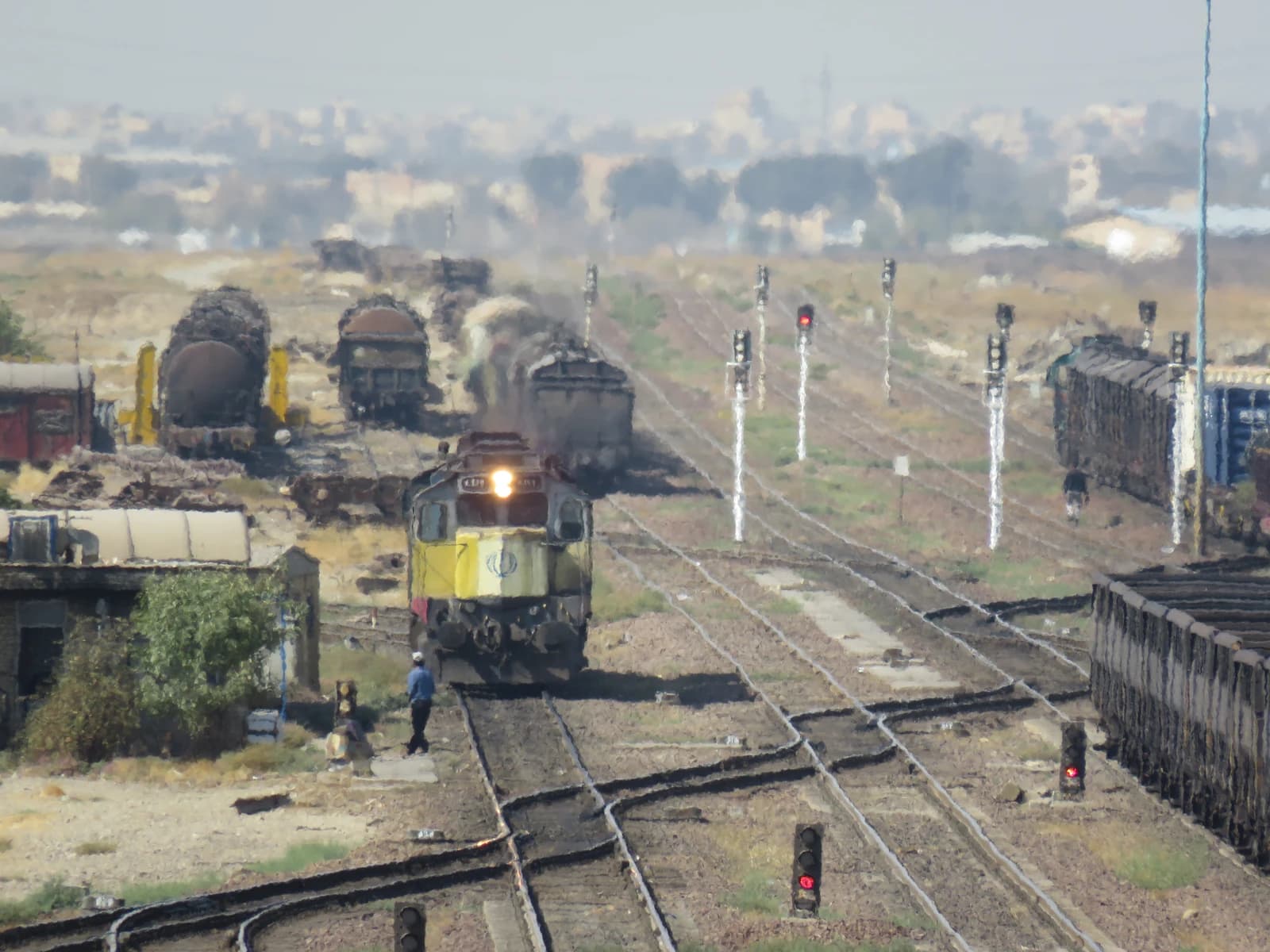
That matters economically because Iran is not just a geopolitical flashpoint for the five Central Asian republics; it is a southern outlet for trade that helps them avoid overreliance on Russia and the Caspian route. If conflict around Iran persists, freight can be rerouted or suspended, insurance costs can rise and planned investment in ports and rail links can be delayed. The broader effect would be to make regional supply chains more expensive and less reliable just as Central Asian governments are trying to diversify exports, attract capital and reduce dependence on Moscow.
Sentiment Indicators
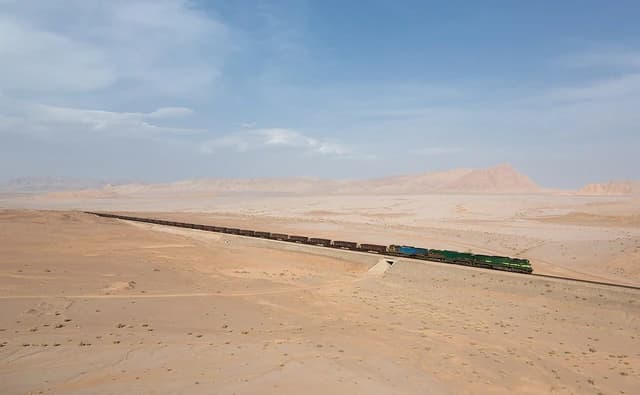
Turkmenistan is the most exposed. It shares a long border with Iran and hosts rail links that are central to north-south commerce, including routes tied to the International North-South Transport Corridor. Uzbekistan also stands to lose a key diversification option for its exports, while Kazakhstan could face a more mixed outcome: higher oil prices may help state revenues, but those gains could be offset by higher transport and fuel costs and slower progress on Iranian port investment. Tajikistan and Kyrgyzstan are smaller players but would still face costlier fuel and freight.
The strategic paradox is that military pressure on Tehran can strengthen Russia and China rather than isolate them. If Iran’s corridors become unreliable, exporters and investors may lean back toward Russian routes, while Beijing can deepen its influence through trade, energy and infrastructure financing. Moscow would benefit from renewed dependence on its northern corridors and the argument that U.S. intervention destabilizes the region. China, meanwhile, would have more room to shape logistics and investment decisions across Central Asia if Western capital becomes more cautious.
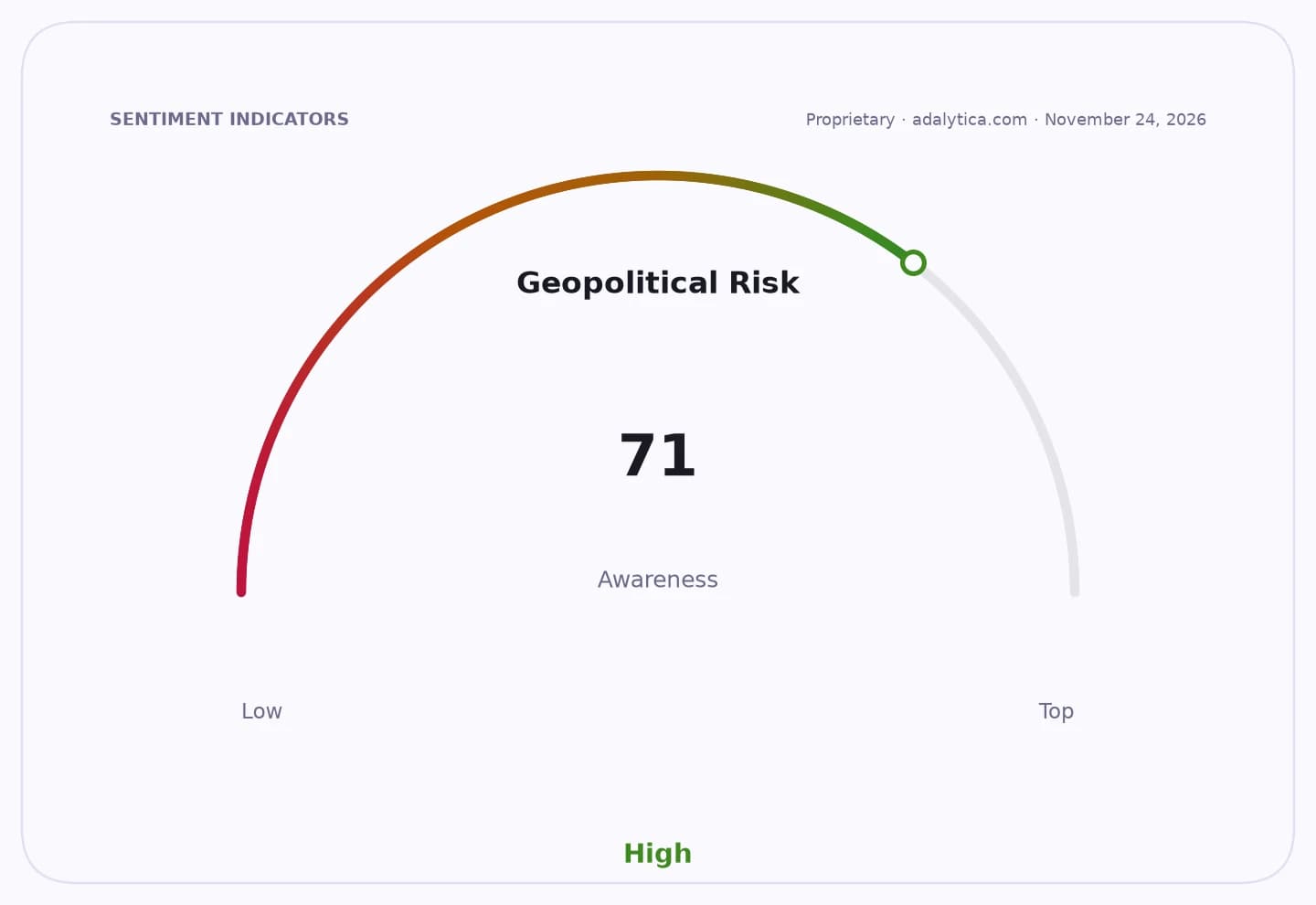
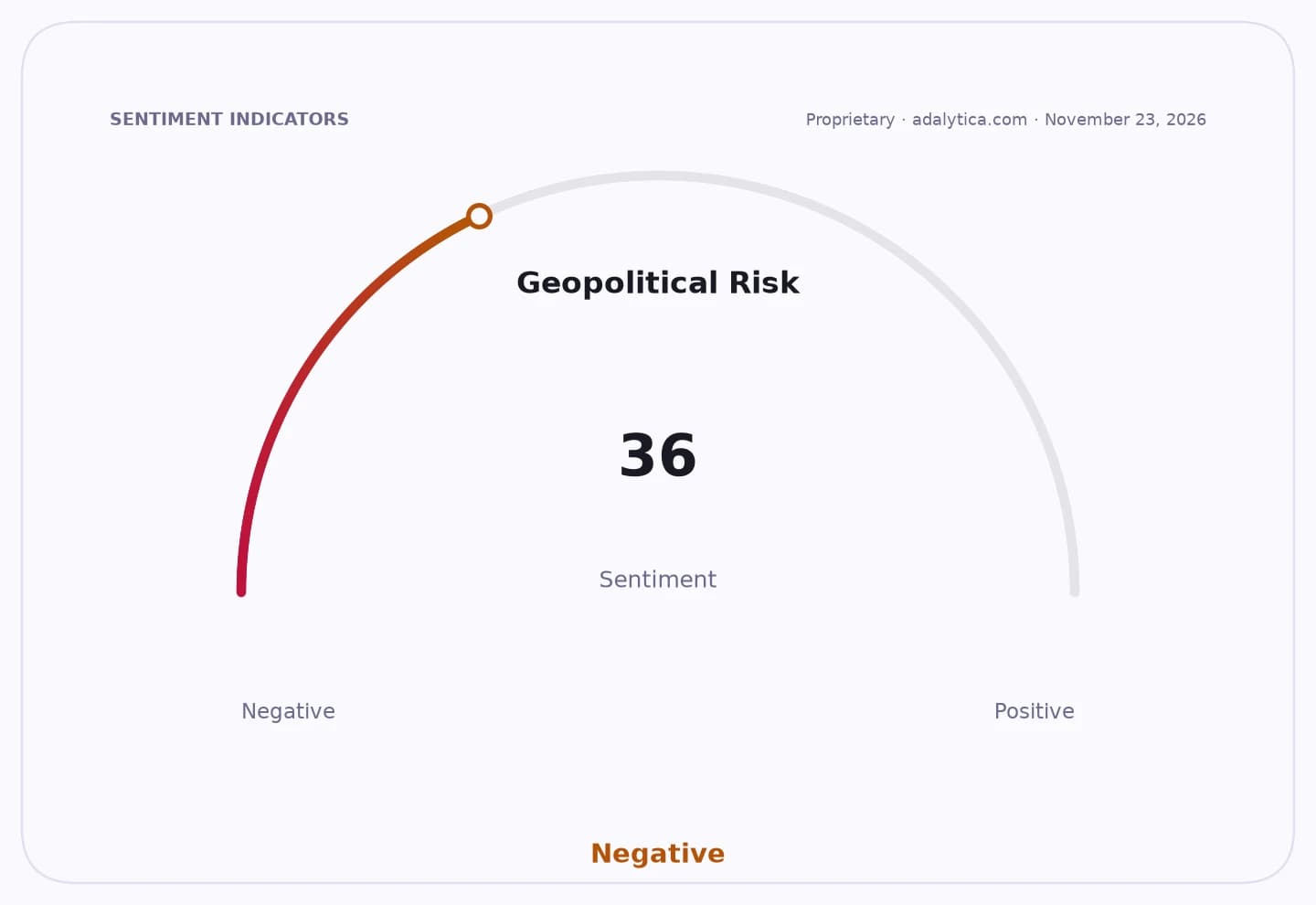
Geopolitical Risk — 30-day sentimentadalytica.com
Explore this data interactively — full history, time series and cross-market comparisons.
Geopolitical Risk
The market response has already tilted toward safe havens. The iShares 20+ Year Treasury Bond ETF, TLT, has rebounded to 82.24, while a broad gauge of global stability sentiment tracked by Adalytica sits at 7, in “Extreme Fear.” That reflects the kind of risk-off mood that tends to accompany Middle East escalation: investors seek duration and safety, while emerging-market logistics, frontier trade and regional infrastructure stories are repriced for higher risk.
For Washington, the economic issue is not just avoiding escalation in the Middle East. It is whether sanctions, strikes and secondary penalties end up undercutting a wider strategy to give Central Asia more strategic autonomy. If U.S. policy discourages banks, transport firms and energy companies from using legitimate Iran-linked routes, it could damage the very connectivity projects Washington has been promoting through the C5+1 framework and related corridor initiatives.
The bull case for Washington is that a weakened Iran could eventually reduce security threats, create openings for U.S. cooperation on critical minerals and transport, and push Central Asian states closer to Western-backed infrastructure. The bear case is that prolonged disruption leaves the region more dependent on Russia and China, raises costs for exporters and importers, and makes investors more hesitant to back long-dated corridor projects.
| Entity | Gains | Losses |
|---|---|---|
| Russia | ▲More route leverage | ▼Less if Iran collapses |
| China | ▲Greater corridor influence | ▼Higher regional instability |
| Turkmenistan | ▲None significant | ▼Trade and rail disruption |
| U.S. Treasury bonds | ▲Safe-haven demand | ▼Growth-sensitive assets |