China’s artificial-intelligence boom is running into the same old problem: access to the chips, compute and policy certainty needed to turn ambition into earnings.
Baidu, Alibaba and Tencent Fall on China AI Costs
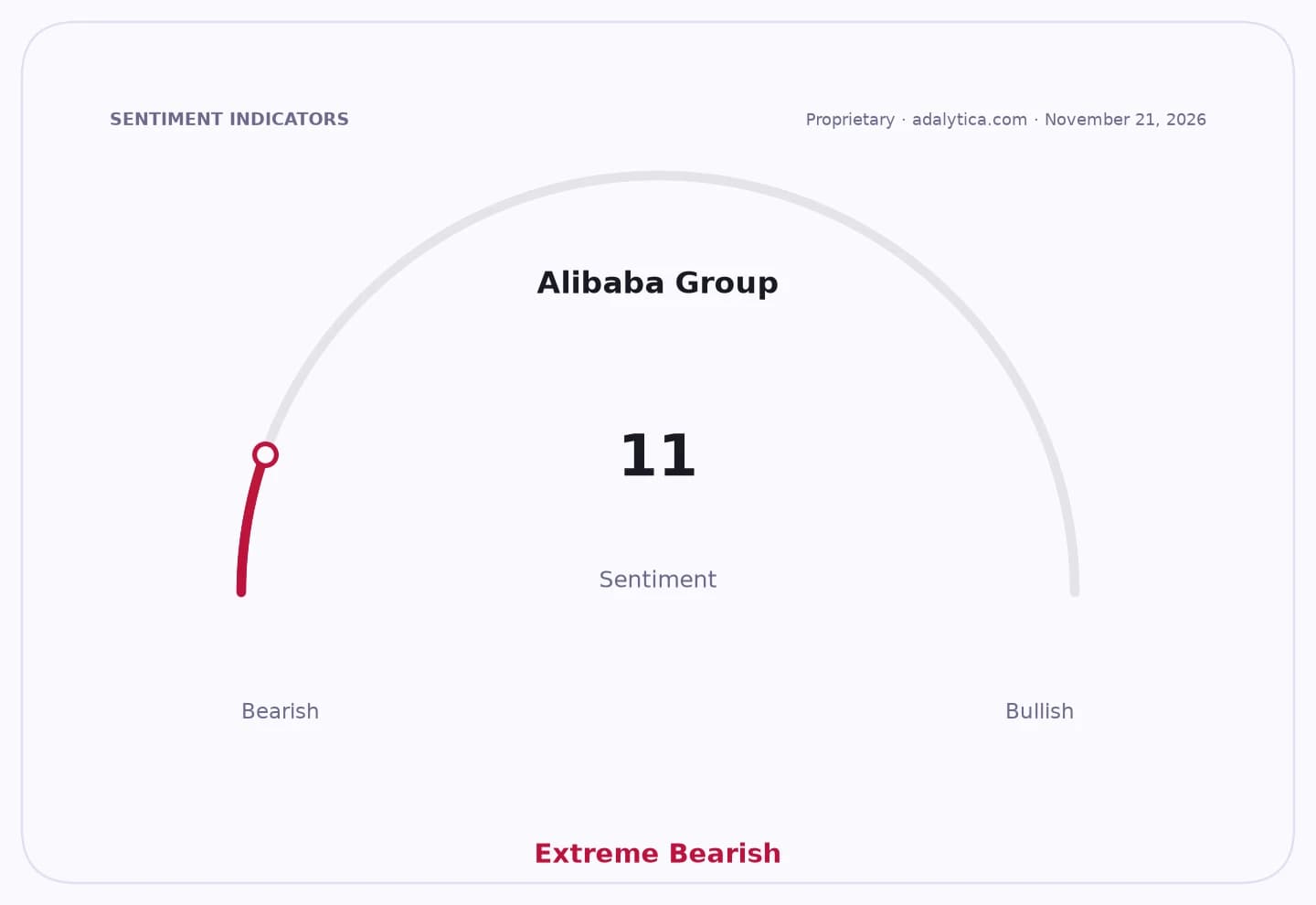
That is why the latest selloff in key Chinese tech names matters well beyond a few bruised charts. Baidu, Alibaba and Tencent — three of the country’s most important AI platforms — have all fallen sharply from earlier 2026 highs, even as Beijing keeps pressing for technological self-sufficiency. Baidu has dropped to 61.90 from 152.26 in January, Alibaba to 81.08 from 175.57, and Tencent to 42.50 from 81.45. Those are not just stock moves. They are a reminder that the market is starting to price in the dark side of the AI race: rising capital intensity, thinner margins and a harder path to monetizing the technology.
Sentiment Indicators
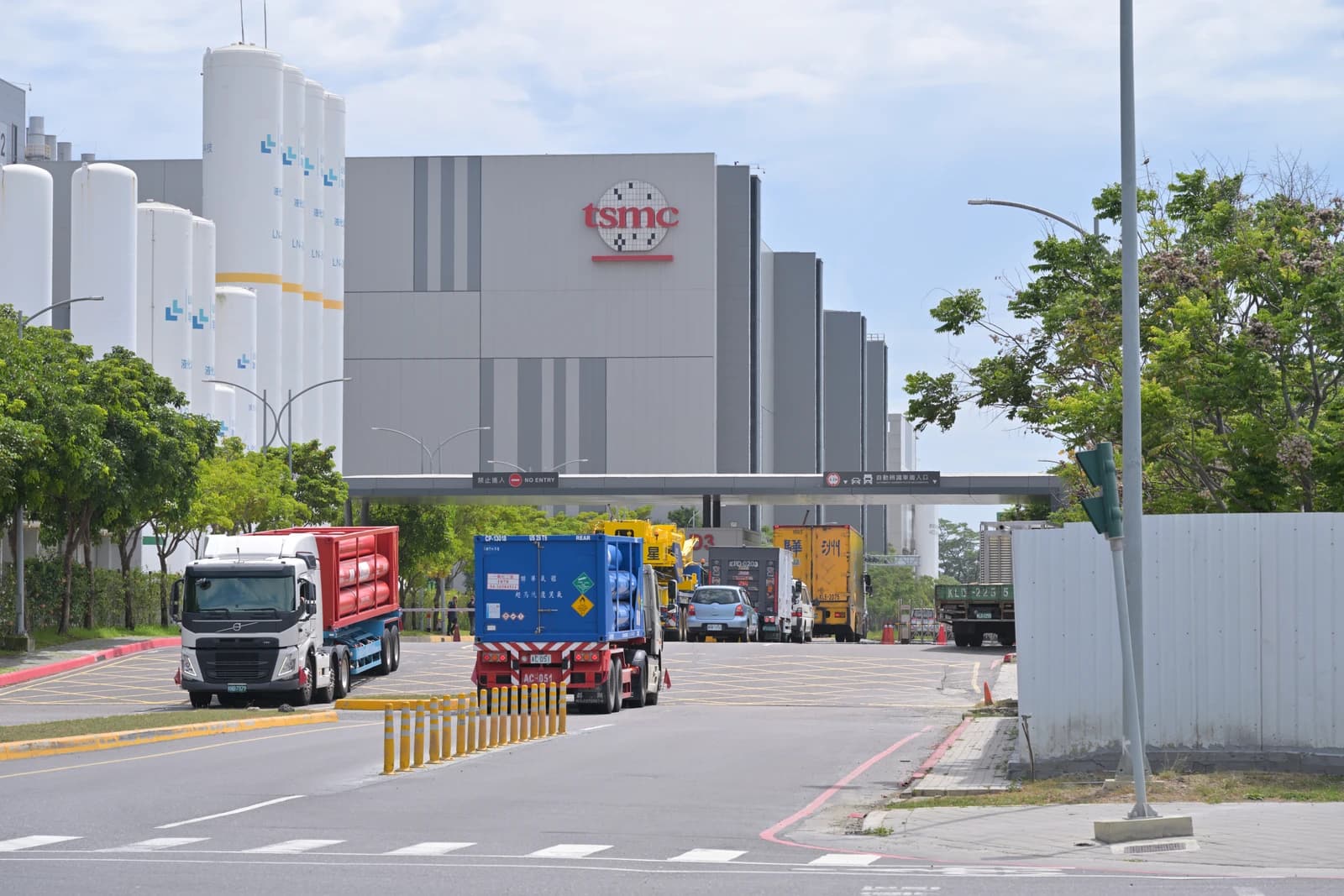
The economics are straightforward. China wants to build an AI ecosystem that can compete with the United States, but the effort depends on high-end semiconductors, data-center spending and a stable flow of hardware imports and domestic substitutes. When shipments of critical chips are disrupted, or when Washington tightens restrictions on remote access to advanced AI hardware, the result is lower near-term productivity and higher costs for Chinese internet and cloud companies. That combination can crimp return on investment just as investors are demanding proof that AI can generate free cash flow, not just headlines.
The stock action says investors are getting more cautious. Baidu’s relative strength index has fallen to 25.0, while Alibaba’s sits at 23.6 and Tencent’s at 25.0, readings that suggest the shares are deeply oversold after a steep unwind. All three trade well below their 50-day and 200-day moving averages, a sign that momentum has rolled over even after earlier bursts of optimism. For long-term investors, that matters because AI beneficiaries are no longer being valued only on growth dreams; they are being judged on whether they can fund the buildout without destroying shareholder returns.
Baidu is the most exposed of the group because it sits closer to the AI infrastructure story. Alibaba and Tencent are better diversified, but they still face the same strategic trade-off: invest aggressively enough to stay relevant in AI, yet not so aggressively that margins and capital returns deteriorate. If China’s chip bottlenecks persist, the market may continue to favor businesses with less direct exposure to frontier AI spending and more resilient cash generation.
There is also a macro angle. Adalytica’s China Economic Growth Target sentiment has swung back to “Greed,” but the underlying message from the market is mixed. Investors may still want to believe in Beijing’s technology push, yet they are also worried that a more restrictive global trade environment and weaker access to AI hardware will slow the payback period. In other words, the AI story in China may still be alive, but it is becoming more expensive to tell.
For investors, the lesson is not that China’s AI opportunity is dead. It is that the path from national ambition to durable shareholder value is longer and messier than many expected. If you own these names, patience will be essential. If you do not, the recent selloff is a useful reminder to focus on balance sheets, cash generation and competitive moats — not just the excitement around artificial intelligence. Worth watching, but with a clear eye on execution risk.
| Entity | Gains | Losses |
|---|---|---|
| Chinese consumers | ▲Lower hype premiums | ▼Slower AI rollout |
| Baidu, Alibaba, Tencent bulls | ▲Potential rebound on oversold shares | ▼Near-term momentum and valuations |
| China’s AI buildout | ▲Long-term strategic focus | ▼Chip access and margins |
| U.S. chip restrictions | ▲Leverage over tech transfer | ▼Chinese demand for advanced hardware |