Bangka Belitung has raised the minimum wage for mining and quarrying workers to Rp 4.35 million a month for 2027, a move that lifts labor costs for Indonesia’s tin sector while aiming to protect household spending in one of the country’s key resource provinces.
Bangka Belitung Raises Tin Mining Minimum Wage
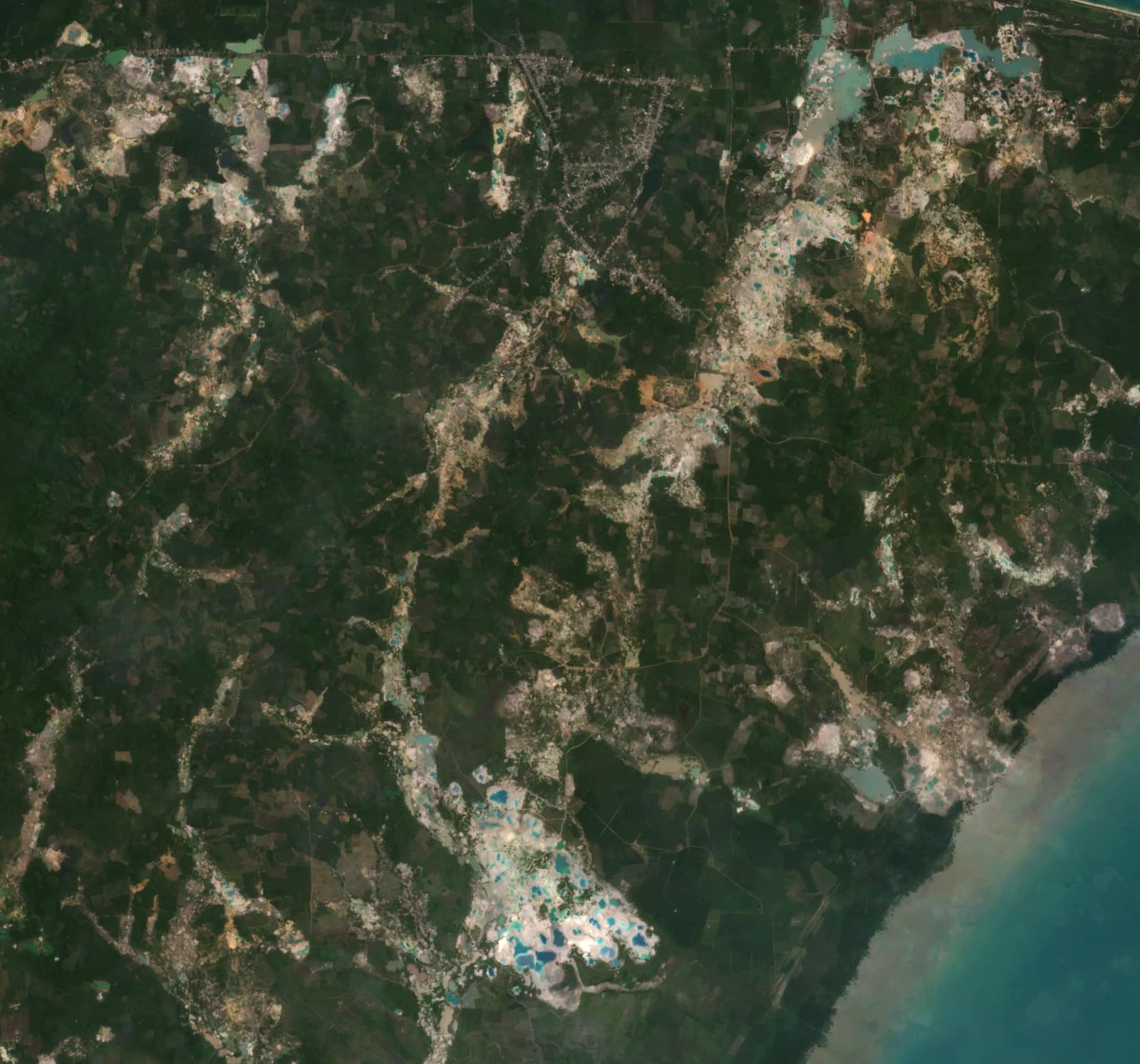
The 7.41% increase, or Rp 300,000 from 2026, takes effect on Jan. 1 and applies to workers in the province’s tin mining and quarrying businesses. Officials said the higher floor is meant to act as a basic safety net for miners, support purchasing power and help contain local inflation, even as the government seeks to preserve investment and competitiveness in Bangka Belitung.
For investors, the change matters because wage policy is feeding directly into the cost base of a sector already under pressure from volatile commodity markets and rising operating expenses. Tin mining in Indonesia is labor-intensive and highly exposed to policy shifts, making even a modest wage adjustment relevant to margins, especially for operators with thin cash generation or high fixed-cost structures.
The province’s labor office framed the increase as part of a wider effort to balance social protection with business continuity. That tension is central to the economics of the mining sector: higher pay can bolster consumption in the local economy, but it also raises unit costs for producers that are competing on a global market where price discipline is determined far beyond Bangka Belitung.
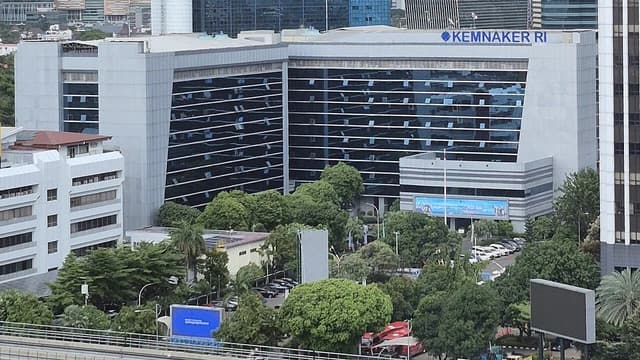
The decision follows the national wage-setting timetable laid out by Indonesia’s labor ministry, which has set deadlines for provincial and sectoral minimum wages in November. Local authorities have been coordinating with the central government and regional leaders to keep the process on schedule, underscoring how wage setting remains a policy lever with both political and economic consequences.
The backdrop is a broader squeeze across the mining complex, where labor, energy and input costs have been rising while investors remain sensitive to regulatory and social risk. For mining companies and their suppliers, the key question is whether higher wage floors will be absorbed through productivity gains or passed through in the form of higher operating costs. For workers, the policy offers some protection against inflation and real-income erosion. For shareholders, it is another reminder that Indonesia’s resource story is increasingly shaped not just by commodity prices, but by the politics of extracting them.
If sustained, the higher floor could support local consumption in Bangka Belitung at the margin, but it also raises the hurdle for miners already facing tighter cost control. The market will be watching whether the wage increase feeds into broader sectoral negotiations, and whether companies respond with headcount adjustments, productivity measures or a push for higher output to preserve margins.
| Entity | Gains | Losses |
|---|---|---|
| Mining workers in Bangka Belitung | ▲Higher monthly pay | ▼None directly |
| Local economy | ▲Stronger consumer spending | ▼Higher labor-cost inflation |
| Tin miners/operators | ▲Social stability if accepted | ▼Margin pressure |
| Investors in mining equities | ▲Clearer cost visibility | ▼Lower earnings flexibility |