Bangladesh’s garment wage board is under pressure to set a new minimum that keeps pace not just with inflation, but with the real cost of living for millions of workers and the export sector’s ability to absorb it.
Bangladesh garment wage board debates new minimum pay
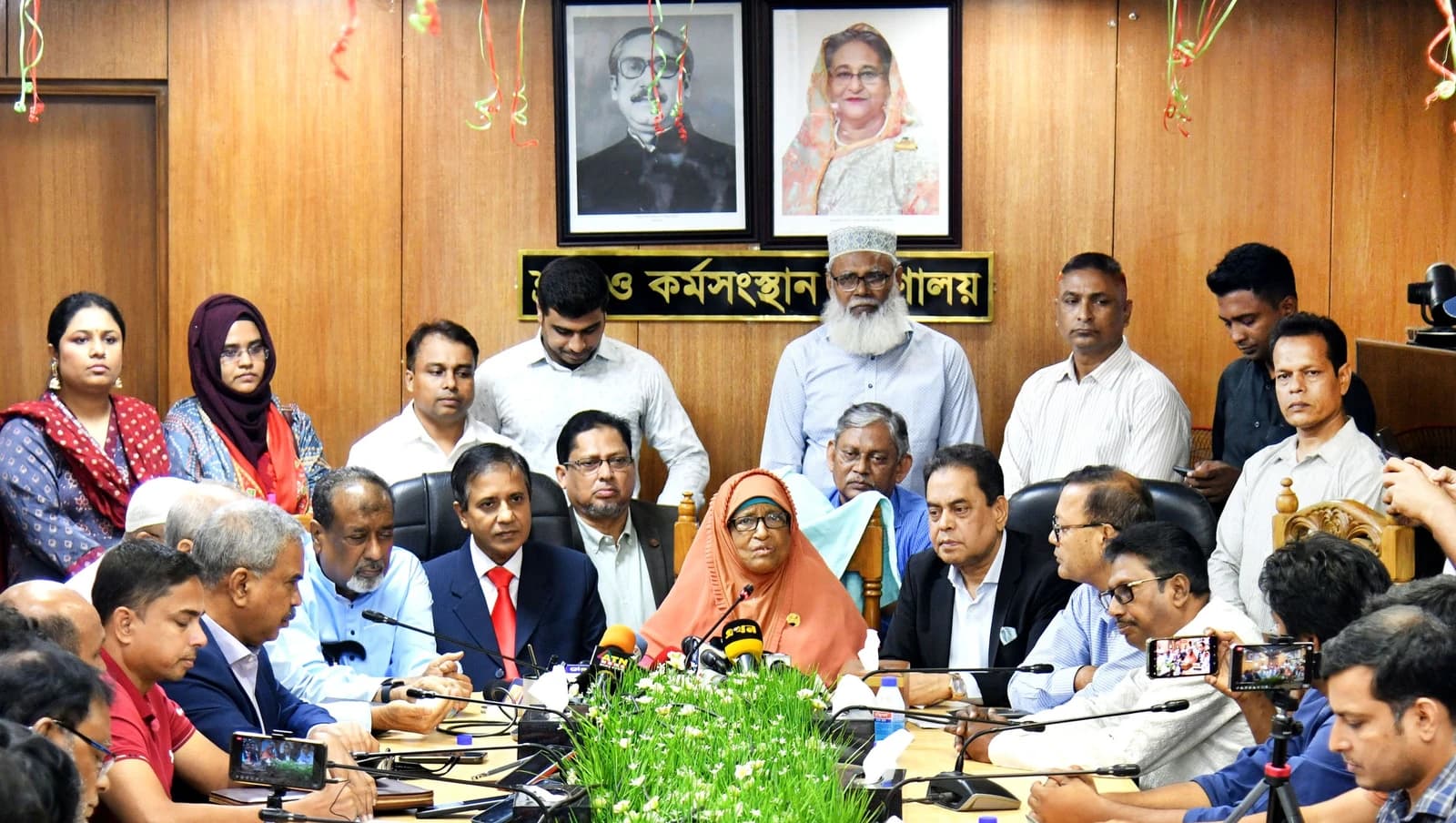
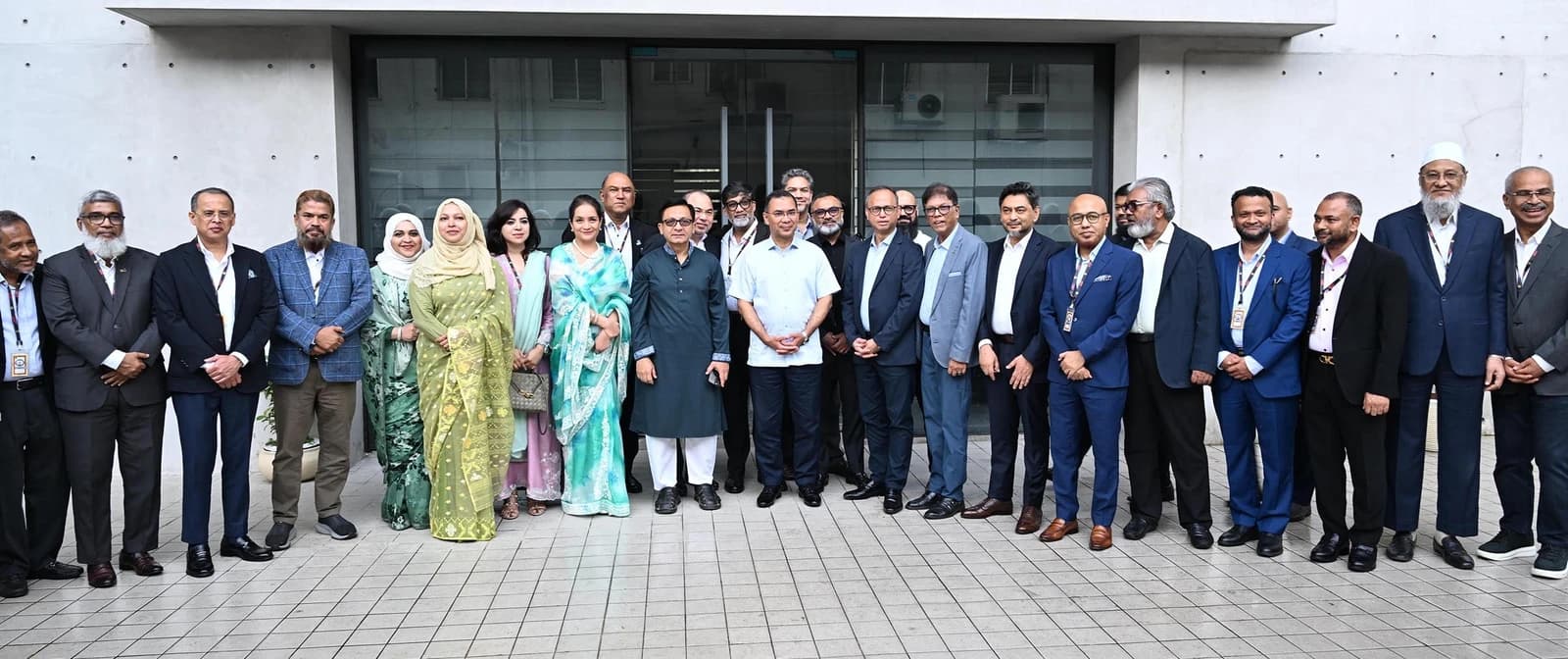
Labour leaders, researchers and factory owners all agreed at a webinar ahead of the board’s third meeting that the current wage-setting process is too blunt to settle the industry’s recurring disputes. The key issue is whether a minimum wage should be pegged only to inflation, or whether it should also reflect housing, healthcare, education and food costs in a sector that remains the backbone of Bangladesh’s economy.
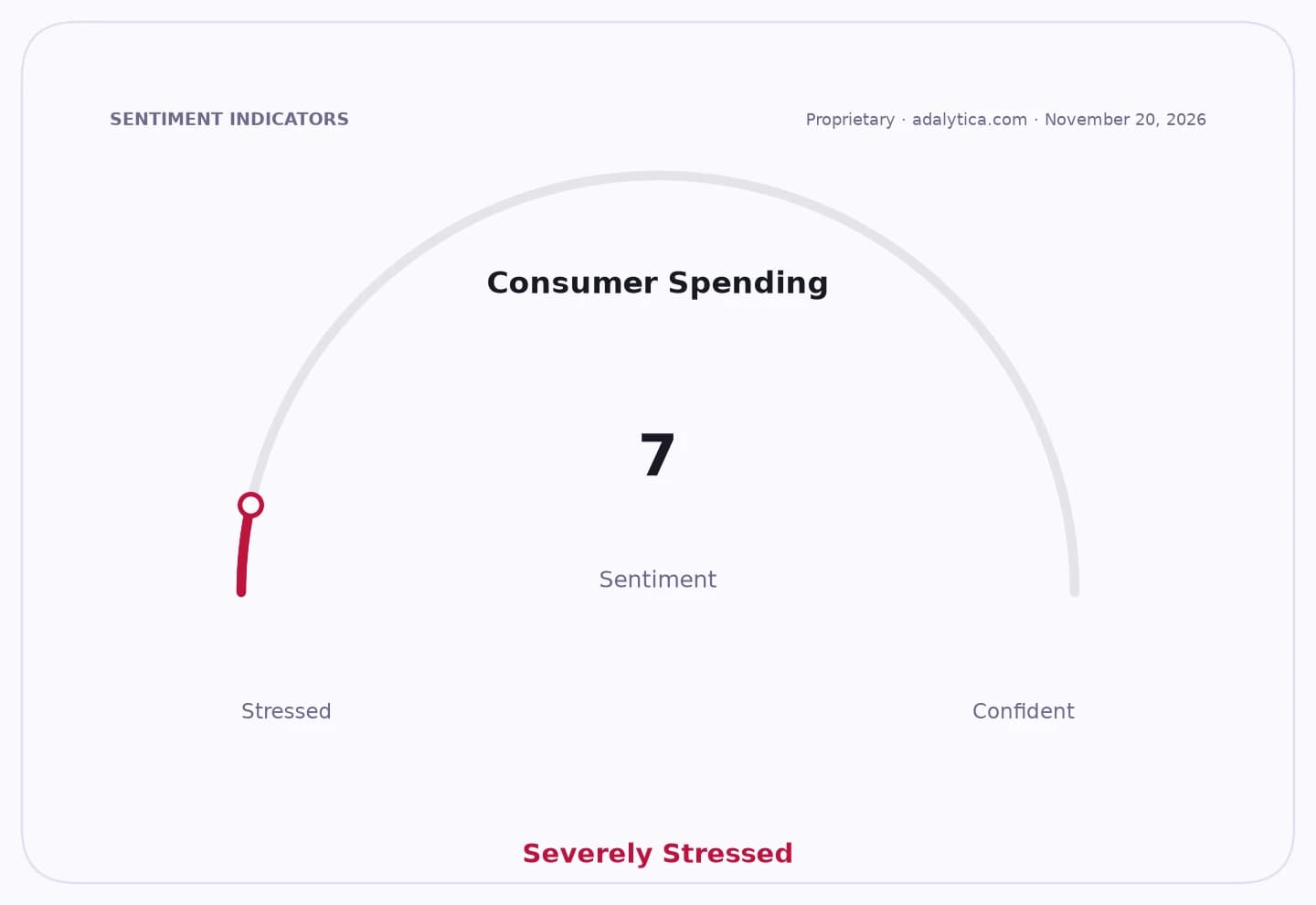
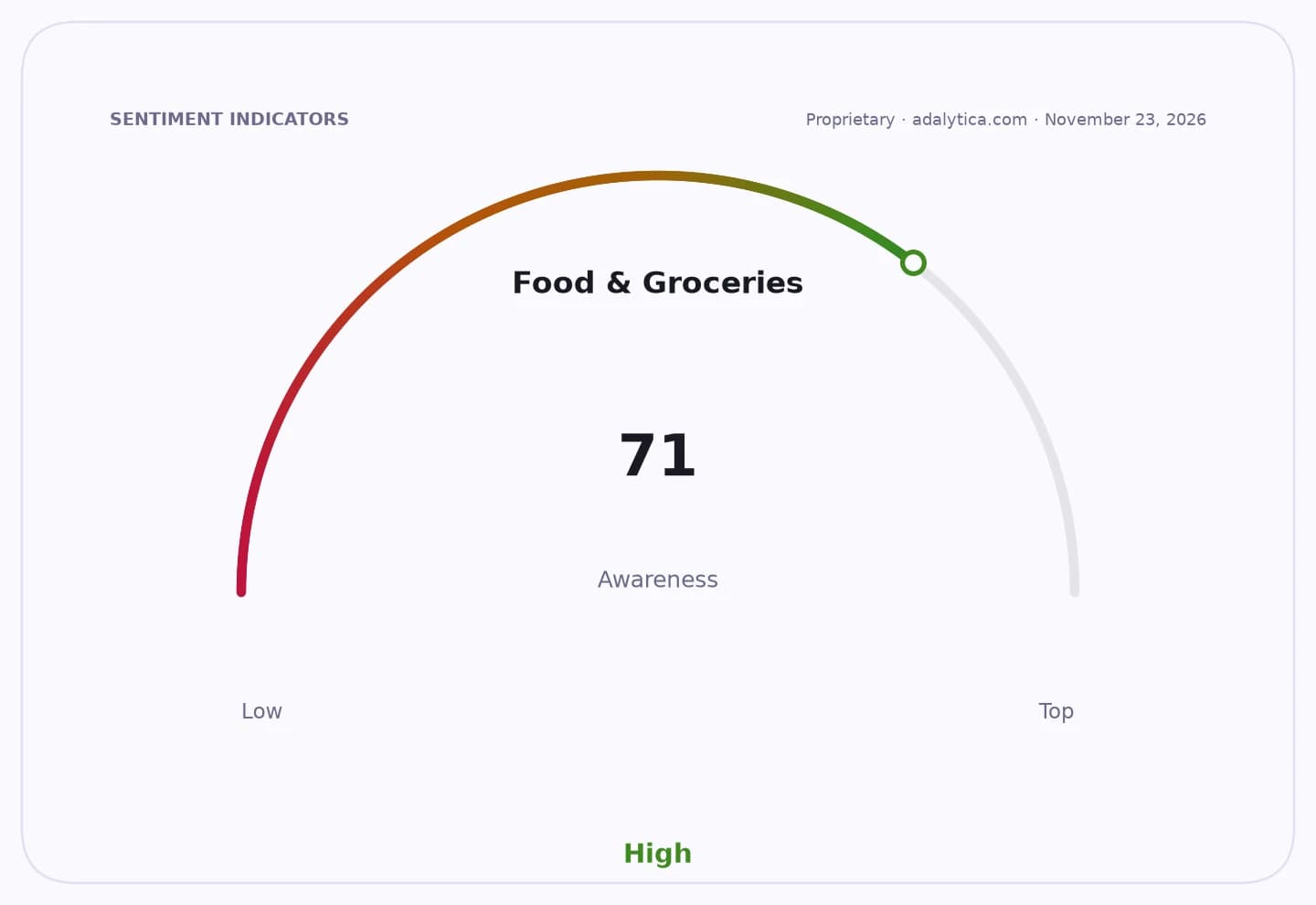
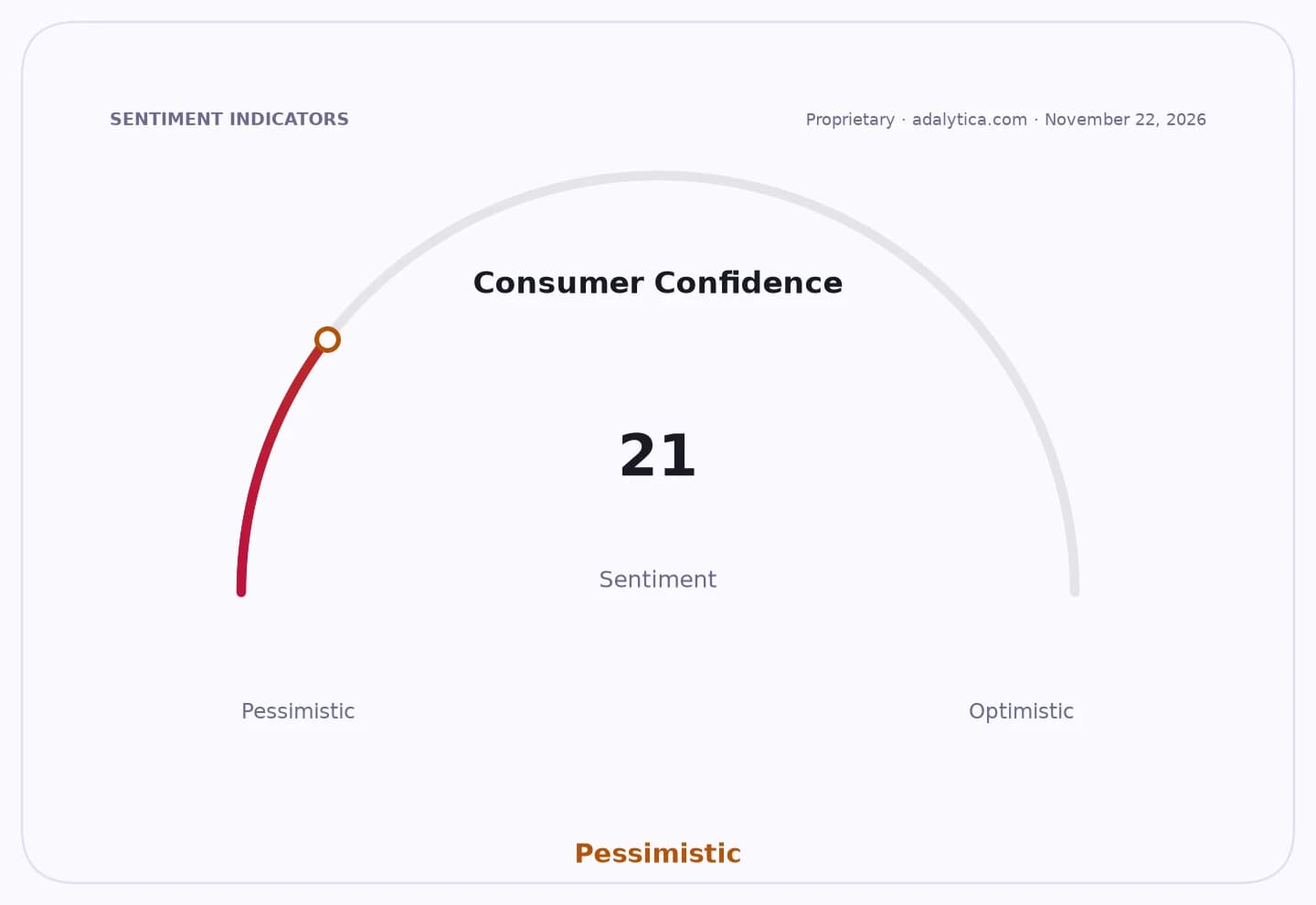
Sentiment Indicators
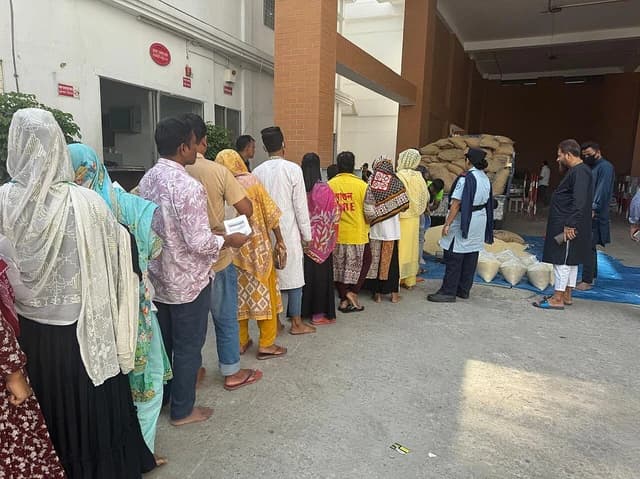
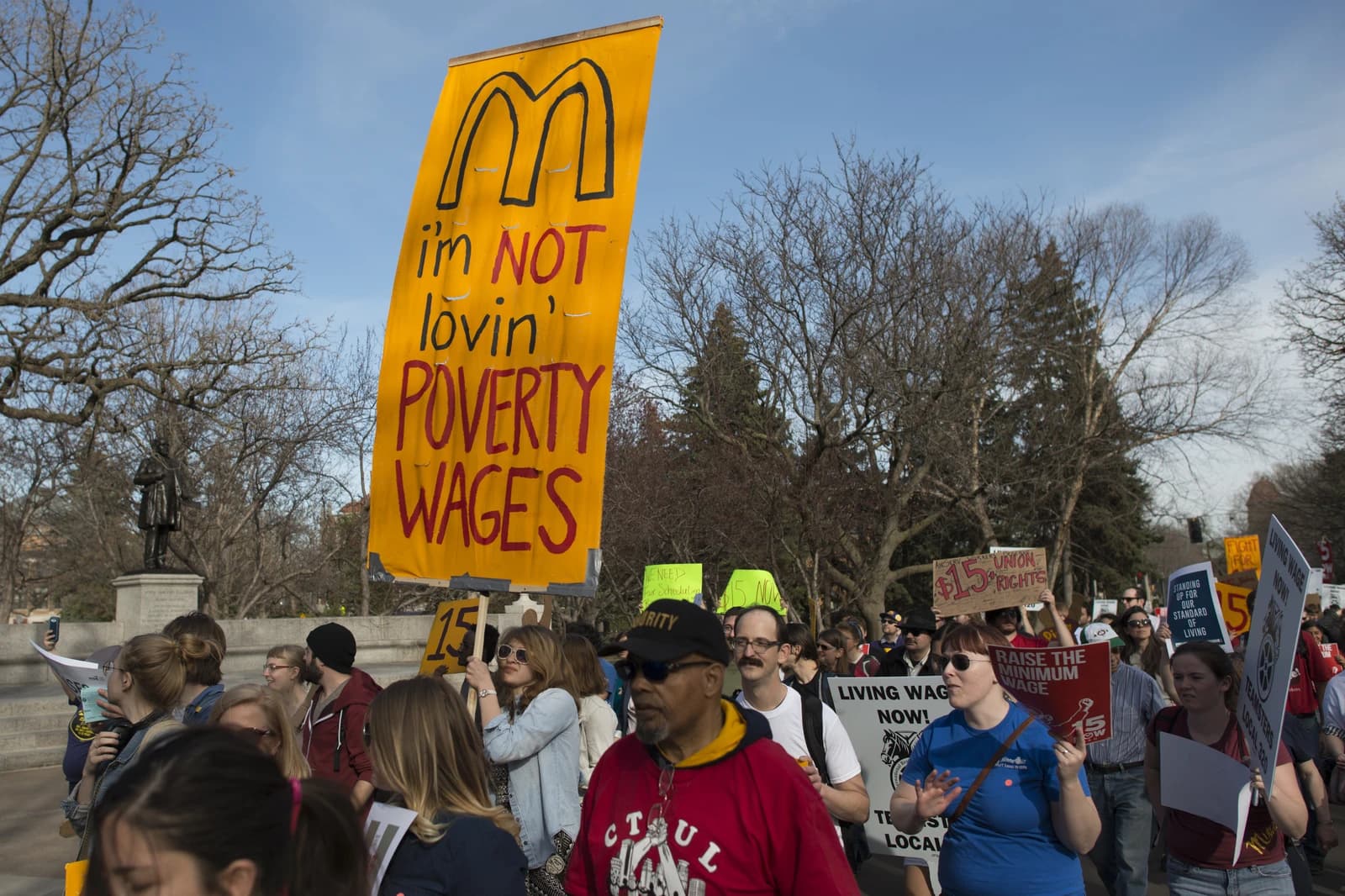
The debate matters because the last minimum wage was fixed at Tk 12,500 in November 2023, and that structure expires in December. Since then, workers have argued that inflation has eroded the value of the increase, while manufacturers say wage hikes must be measured against falling export prices per unit, higher borrowing costs, port charges and unreliable power supply. The result has been repeated protests, factory shutdowns and a widening credibility gap in wage negotiations.
PPRC chairman Hossain Zillur Rahman said the wage could be reviewed either by adjusting for inflation or by assessing workers’ actual living costs. That distinction is central to the dispute. An inflation-only approach would likely produce a modest adjustment and preserve margins for exporters already under pressure. A broader living-cost framework would probably force a larger increase, improving household purchasing power but raising labor costs in a sector that employs millions and depends on thin margins.
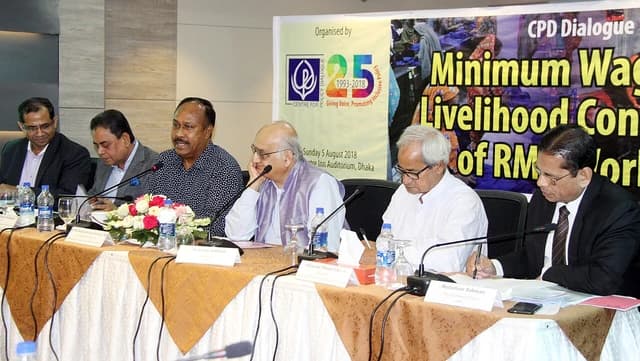
Syed Sultan Uddin Ahmmed of the Bangladesh Institute of Labour Studies said the absence of a national minimum wage leaves the country without a common benchmark, making sectoral negotiations more politicized and less predictable. He argued that the wage board should prepare its own data-driven assessment instead of relying on separate worker and employer proposals, which often begin far apart and deepen mistrust. For investors and global buyers, that suggests the risk is not just a one-off wage hike, but continued instability if the process is seen as arbitrary.
The industry’s response was equally clear: it wants a framework, but one that recognizes competitiveness. BGMEA president Mahmud Hasan Khan said 669 factories had been affected by recent protests, some for as long as 21 days, while only about 2,200 of the group’s 7,163 member factories are currently exporting. He also argued that Bangladesh should not be compared mechanically with domestic-market industries or with rivals such as Vietnam, India, Pakistan and Indonesia unless the country can offer comparable infrastructure and state support.
That argument has a direct economic stake. Bangladesh remains heavily dependent on garments for export earnings and employment, so wage policy feeds into foreign-exchange inflows, factory utilization and social stability. A higher wage floor could bolster domestic demand and reduce worker unrest, but if paired with little improvement in logistics, energy reliability or financing costs, it could squeeze smaller factories and accelerate consolidation.
The broader context is that the sector is trying to resolve a recurring problem with another ad hoc negotiation. Workers are asking for a “dignified wage” that covers nutrition, rent, medicine and schooling, not just survival. Employers are asking for relief from higher costs elsewhere in the system. The likely outcome of the board’s work will shape not only pay packets but also production continuity, buyer confidence and Bangladesh’s standing as a low-cost sourcing hub.
For investors, the key question is whether the board can produce a transparent, research-based formula that reduces labor unrest without damaging export competitiveness. If it cannot, the sector risks another cycle of protests, production losses and margin pressure just as global apparel demand remains fragile.
| Entity | Gains | Losses |
|---|---|---|
| Garment workers | ▲Higher real wages | ▼Eroded purchasing power |
| BGMEA members | ▲Clearer wage framework | ▼Higher labor costs |
| Global buyers | ▲More stable supply chain | ▼Higher sourcing prices |
| Bangladesh economy | ▲Less labor unrest | ▼Margin pressure if reforms stall |