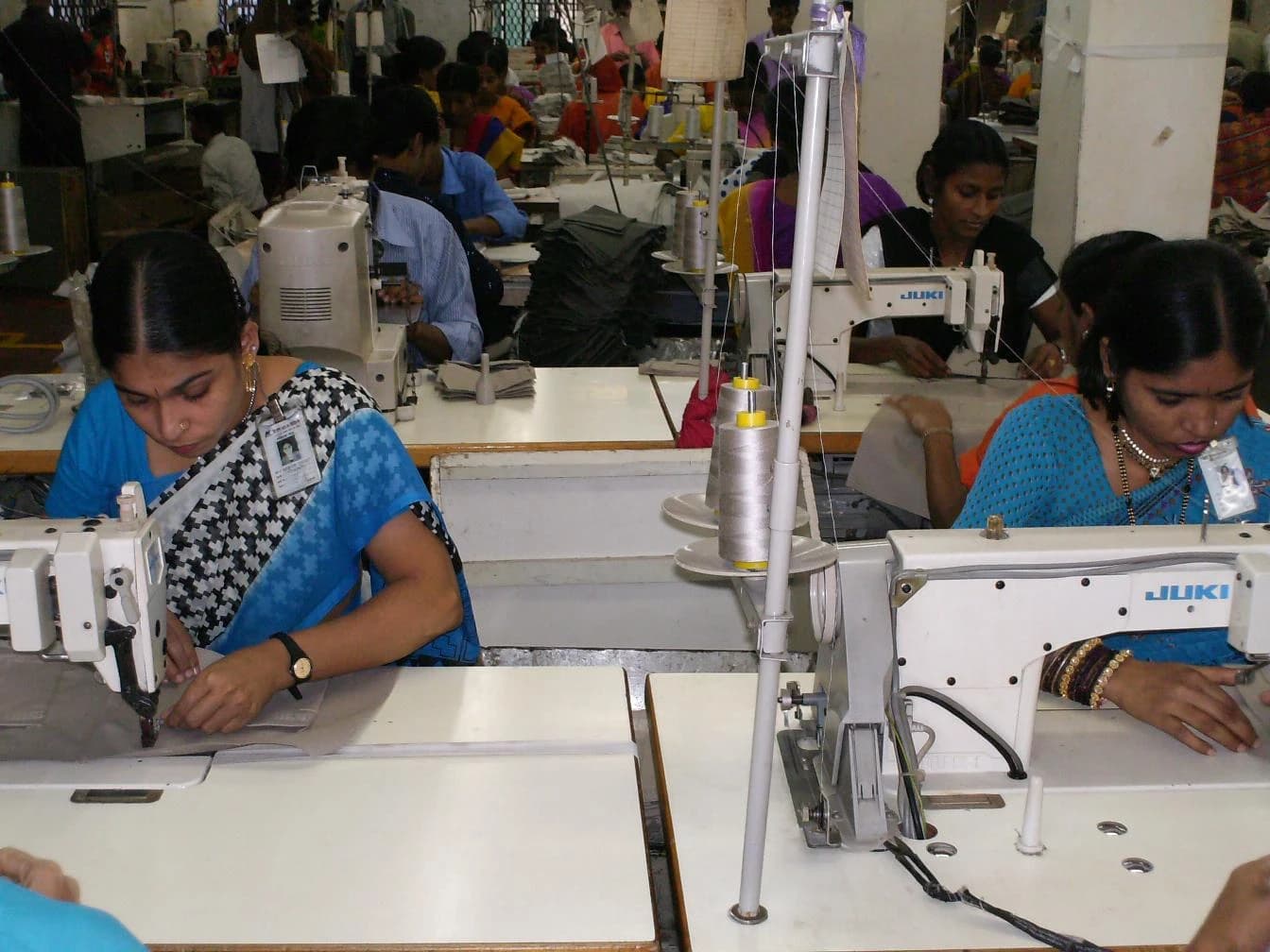
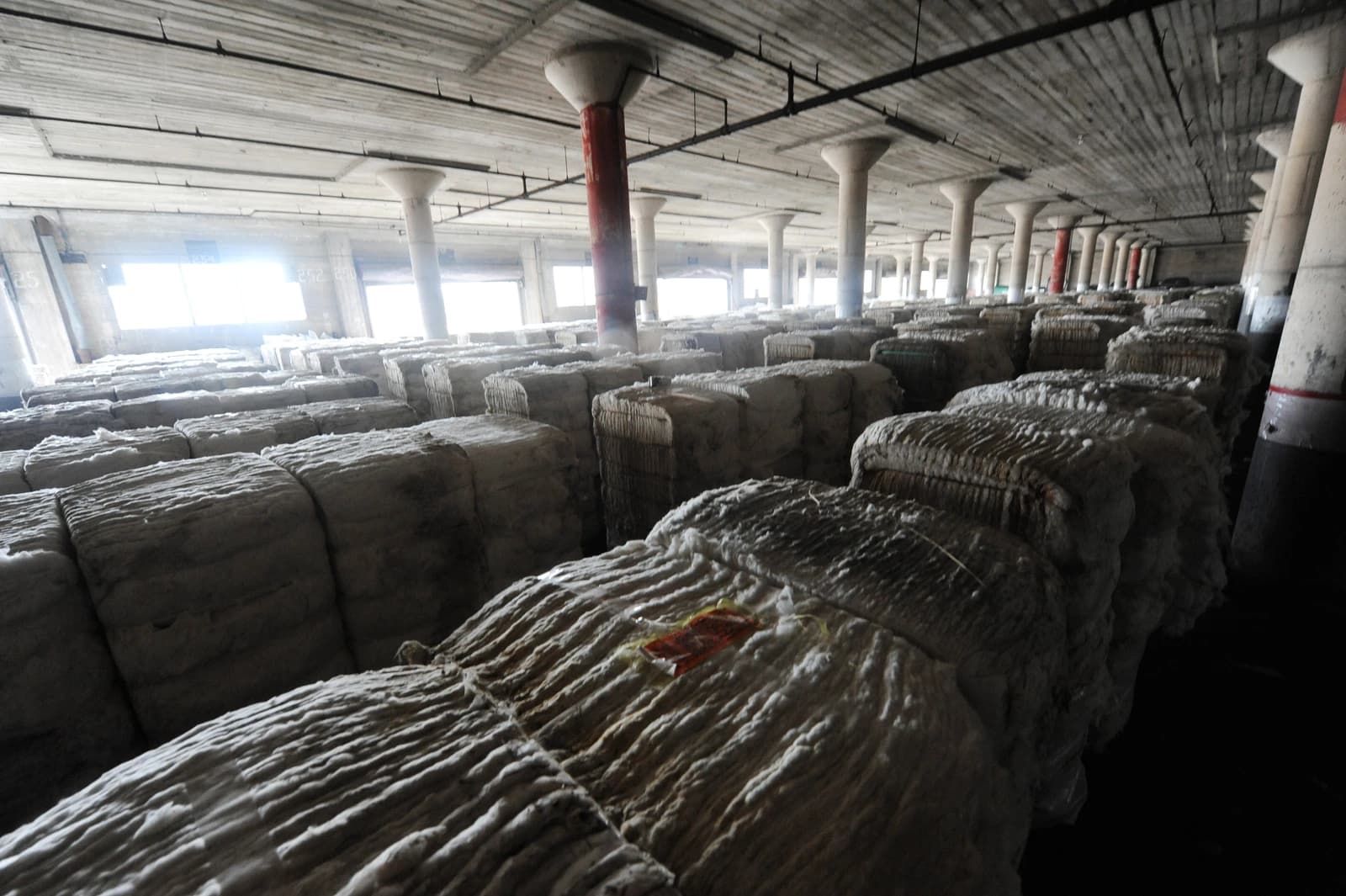
Bangladesh’s garment sector is back under pressure as workers resume protests over pay, a reminder that the world’s second-largest apparel exporter remains vulnerable to labor unrest just as buyers are trying to keep sourcing costs low.
Bangladesh garment protests raise sourcing risk
The immediate economic risk is not only higher wages. It is the possibility that production stops, orders slip and factories lose the reliability that international brands pay for. Even short shutdowns matter in an industry built on thin margins and strict delivery schedules, where a few days of disruption can ripple through cut-and-sew lines, shipping windows and seasonal inventory plans.
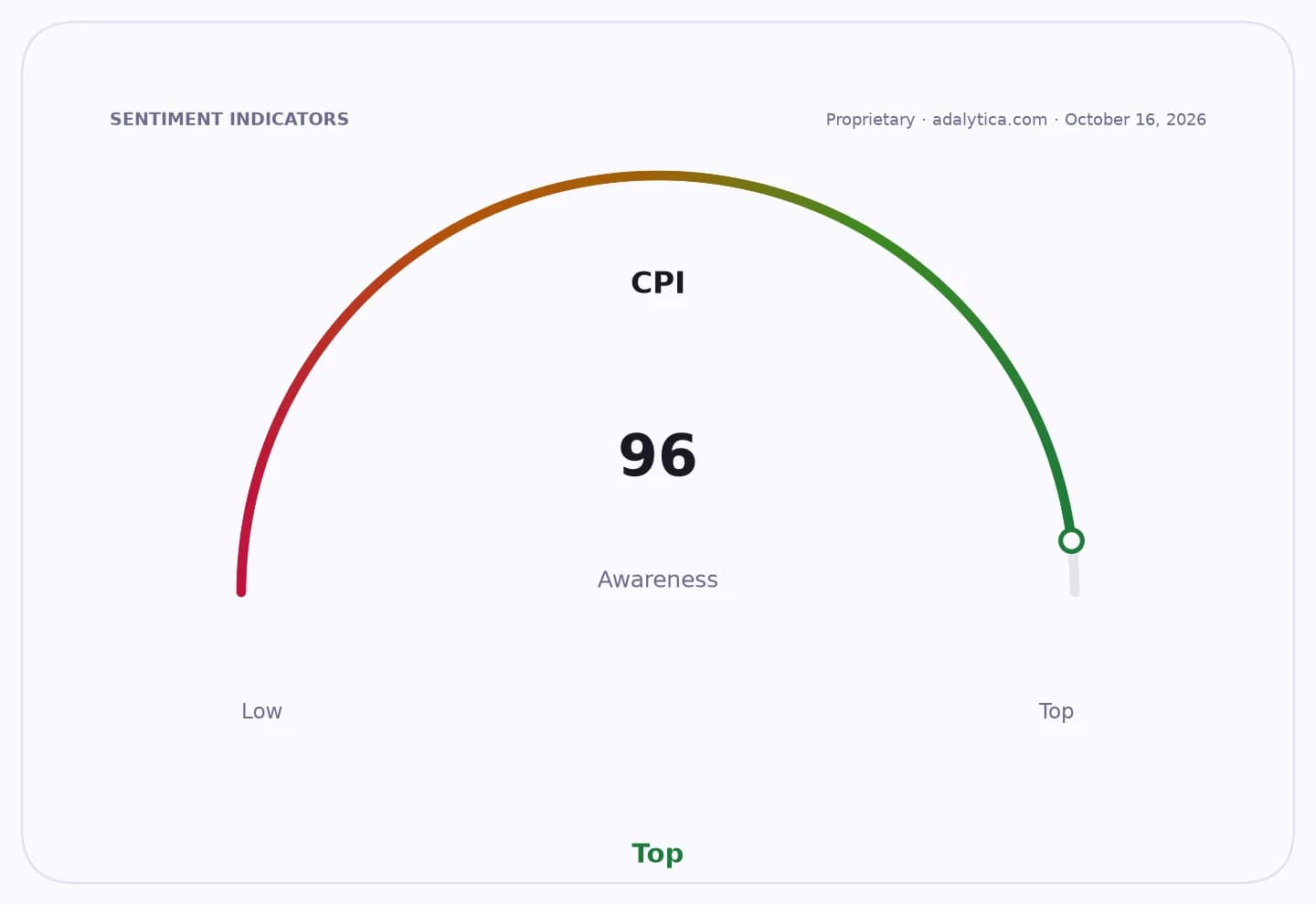
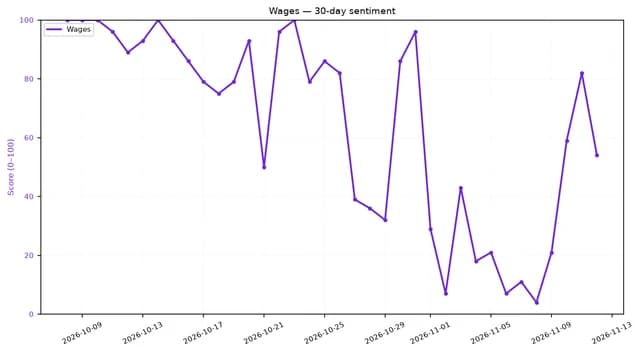
Sentiment Indicators
Wages
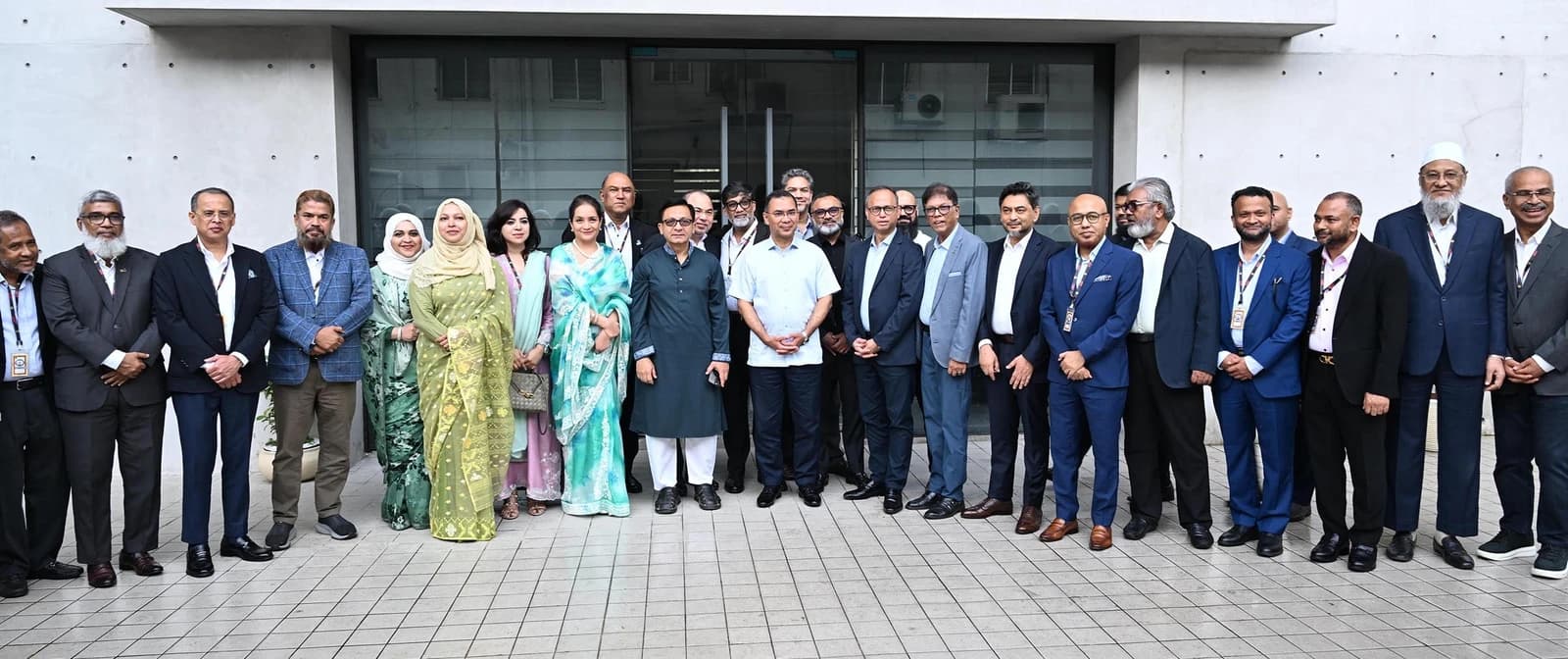
The unrest comes at a sensitive time for Bangladesh, whose apparel industry remains a cornerstone of export earnings and employment. A government wage board has been formed, but the fact that workers are still mobilizing highlights how fragile the compromise is between labor’s demands and manufacturers’ need to preserve competitiveness. If wage growth accelerates without offsetting gains in productivity, energy efficiency or logistics, the country risks losing share to lower-cost rivals in Asia.
For global apparel brands and retailers, the issue is less about one protest than about the reliability of the supply base. Companies such as American Eagle Outfitters and Abercrombie & Fitch, which source from South Asia and other low-cost hubs, are exposed to factory stoppages, higher sourcing costs and potential delays that can arrive just as they are balancing promotions and inventory. In recent filings, apparel groups have also flagged tariff, trade and supply-chain risks, underscoring how sourcing has become more expensive and less predictable.
The market backdrop suggests investors are already weighing those pressures. Both AEO and ANF shares have recovered sharply from earlier lows, but the rally leaves less room for operational misses if labor unrest in key sourcing countries begins to affect product flow or margin assumptions. For Bangladesh, the test is whether the wage board can defuse tensions without eroding the price advantage that has kept its garment industry central to global supply chains.
The next catalyst is the wage board process itself. A credible settlement could restore calm and reduce the odds of further factory closures. A weak or delayed outcome would leave Bangladesh exposed to more protests, more disruption and a harder debate over how long it can remain competitive while workers demand a larger share of the industry’s gains.
| Entity | Gains | Losses |
|---|---|---|
| Bangladesh garment workers | ▲Higher pay prospects | ▼Short-term income from shutdowns |
| Bangladeshi factory owners | ▲Stability if unrest ends | ▼Higher labor costs and disruptions |
| Global apparel brands | ▲Stable sourcing if talks succeed | ▼Delays, higher costs, margin pressure |
| Competitor sourcing hubs | ▲Potential orders if Bangladesh slips | ▼Loss of low-cost supply share |