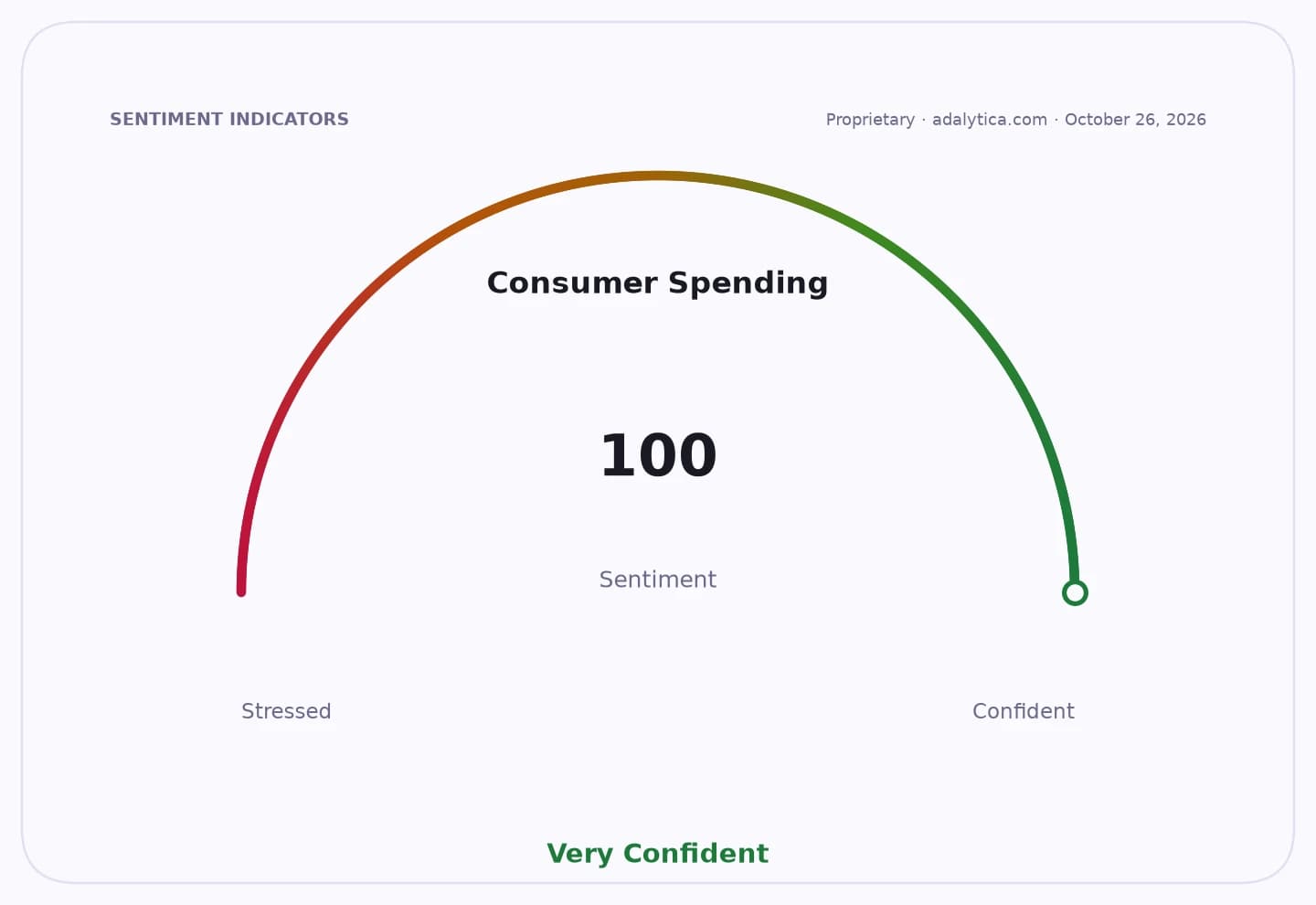
Consumers in Bangladesh are still pulling back from branded clothing even after retailers cut prices by as much as 50%, a sign that years of elevated inflation and weaker income growth are now overwhelming the usual seasonal discount cycle.
Bangladesh branded clothing sales fall despite discounts
Traders say sales at branded apparel outlets are running at least 20% below the same period a year ago, with some stores reporting declines of 30% to 50% as shoppers limit purchases to essentials and skip discretionary spending altogether. The slump matters because clothing is one of the first categories to lose pricing power when households feel squeezed: if discounts no longer draw traffic, retailers face not just softer revenue but a risk of inventory overhang and margin pressure into the next selling season.
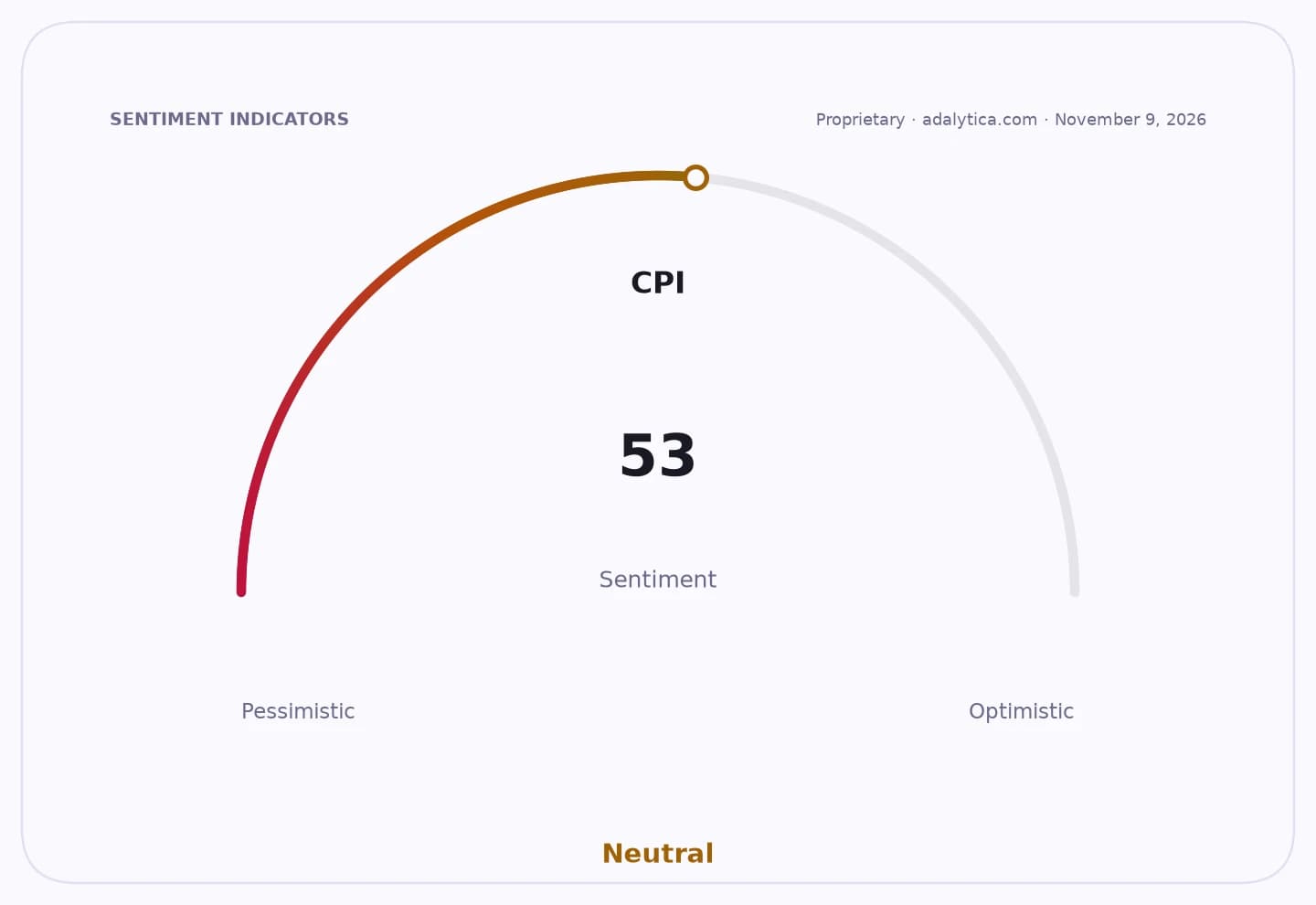
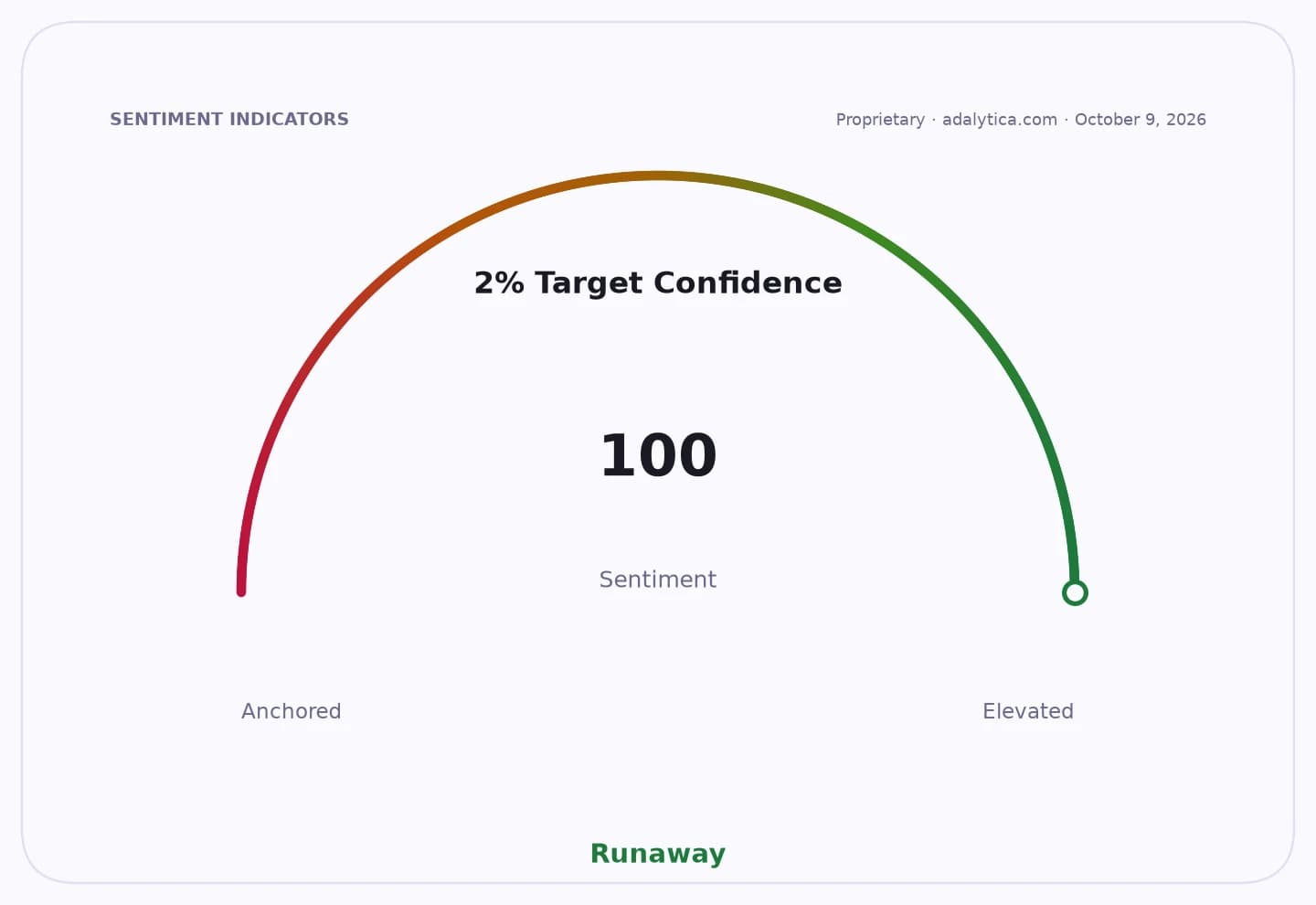
Sentiment Indicators
The weakness reflects a broader deterioration in consumer confidence. Bangladesh has endured close to double-digit inflation for several years, while wage gains have lagged behind living costs. The International Monetary Fund has forecast average inflation of 10.9% in fiscal 2026-27 and real GDP growth slowing to 3.2%, a combination that points to weaker hiring, higher costs for necessities and less disposable income for non-essential purchases. In that environment, even discounted fashion is being treated as a need-to-have, not a bargain to stock up on.
Retailers say the pain is compounded by shorter store hours tied to the country’s energy crunch, with shops now closing at 8 p.m. instead of 10 p.m. That has stripped away the evening shopping window for salaried buyers, a crucial slice of demand in a market where foot traffic is already fragile. Some chains also say the weather has not turned cold enough to support seasonal winter sales, leaving merchants uncertain what stock to display and when to clear it.
The market read-through is stark for branded apparel chains such as Saima Fashion, Rang Bangladesh, Embrella, Rise and Cats Eye: weaker volumes, lower basket sizes and likely deeper discounting ahead. For consumers, the benefit is obvious — cheaper clothes — but only if they have room in the budget. For retailers, the risk is that promotions are no longer enough to revive demand, forcing them to carry more unsold stock into a period of still-high inflation and fragile growth.
If the macro backdrop does not improve, the branded clothing slump could outlast the discount season and spill into broader discretionary spending, a reminder that in inflation-hit economies, pricing power can disappear long before nominal prices do.
| Entity | Gains | Losses |
|---|---|---|
| Consumers | ▲Lower sticker prices | ▼Real purchasing power still erodes |
| Branded clothing retailers | ▲Potential to clear stock at lower margins | ▼Sales volumes and footfall decline |
| Unbranded/discount sellers | ▲Trade-down demand | ▼Brand premium sales |
| Bangladesh economy | ▲None in the short term | ▼Discretionary spending and retail growth |