Bangladesh’s garment industry is still expanding, but the real story for investors and global brands is that the country’s low-cost advantage is getting harder to defend.
Bangladesh Garment Exports Rise as Wage Pressure Builds
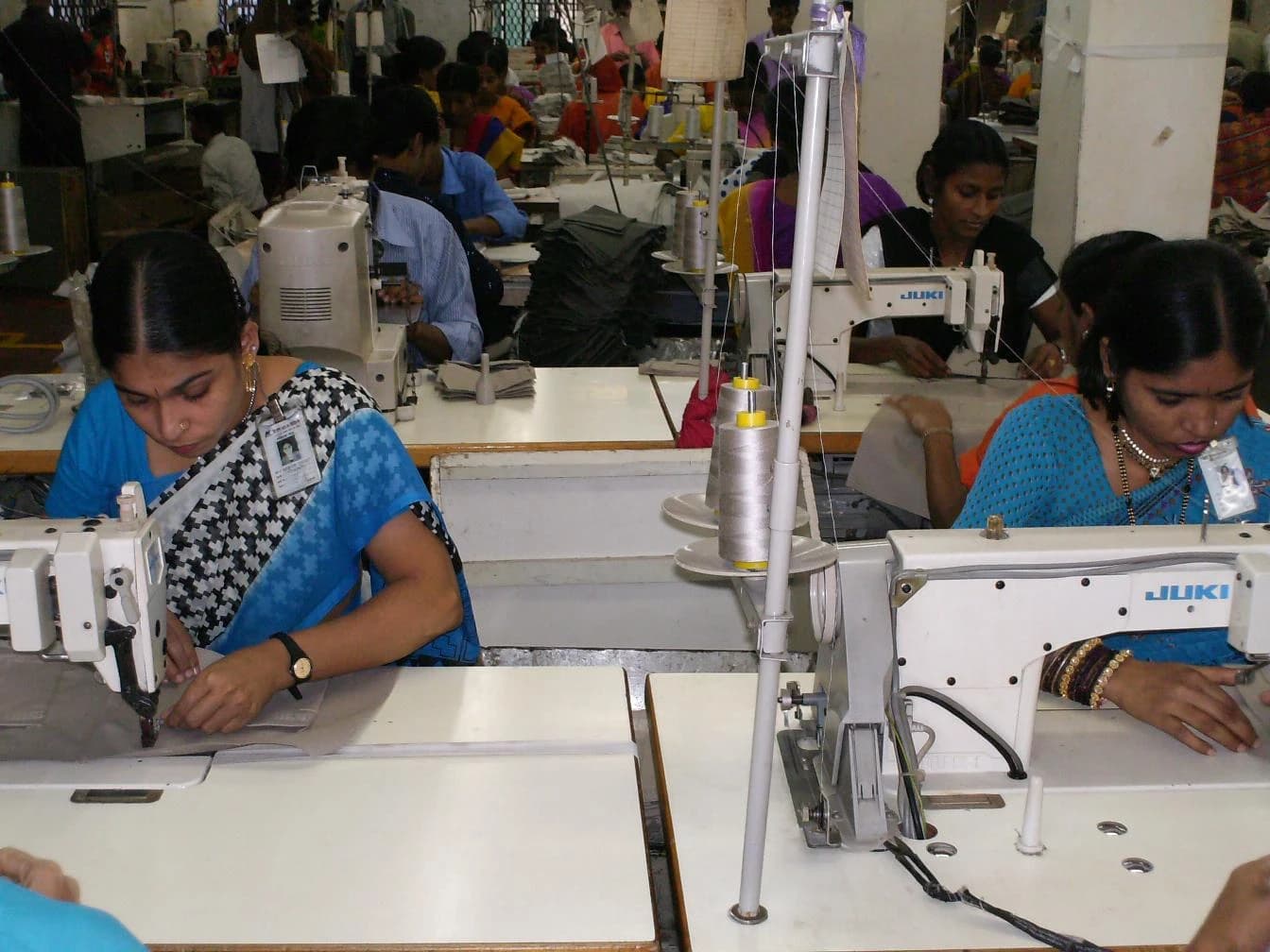
Even after years of fires, factory disasters, the pandemic, war-driven supply shocks and political upheaval, apparel exports rose again, reaching almost $38.8 billion last year, up 0.88% from the year before. That resilience is why Bangladesh remains the world’s No. 2 garment exporter after China. Yet the sector’s next challenge is no longer demand — it is labor cost.
Sentiment Indicators
Wages
Workers are protesting for higher pay because their wages have been overtaken by living costs, and the state has already been forced to create a new wage board. The unrest is not just a social issue. It is a production risk for one of the country’s most important industries, which employs roughly 1.7 million people and underpins export earnings, foreign exchange inflows and millions of indirect jobs.
The pressure point is easy to see in the numbers. Bangladesh’s garment minimum wage is 12,500 taka, or about $102 at current exchange rates, according to March data cited by H&M Group. That is below minimum wages in China, Cambodia, Indonesia, Vietnam, Pakistan, India and Turkey. It is also below pay floors in several domestic industries, including tanneries, shipbreaking, sawmills and construction.
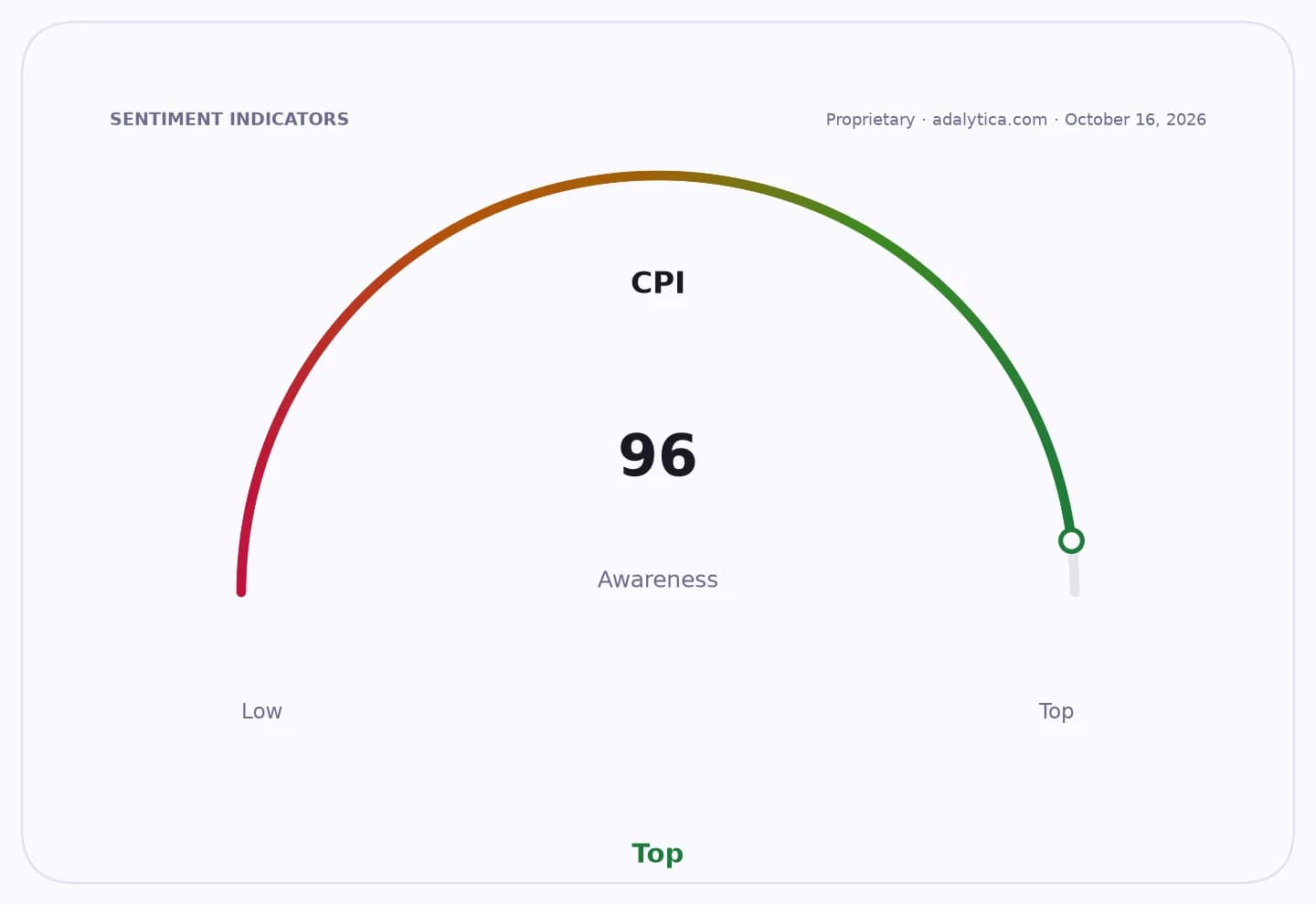
CPI
For manufacturers, that gap helps preserve price competitiveness. For workers, it has become untenable. Inflation has stayed above wage growth for 56 straight months through September, while the cost of food, transport and medicine has risen sharply. The latest household spending data from the Bangladesh Bureau of Statistics show why labor anger is intensifying: city families are spending nearly 46,800 taka a month on average, a burden that leaves little room for lower-paid workers.
That imbalance matters to investors because Bangladesh’s garment model depends on a fragile bargain: low wages, government support and steady orders from global retailers. The industry also benefits from a 12% corporate tax rate, or 10% for green factories, plus duty-free bond facilities and cash incentives. In 2022-23 alone, the textile and garment sector received 5,829 crore taka in corporate tax relief. Those supports help preserve margins, but they also show how dependent the sector remains on policy help to stay competitive.
The long-term question is whether Bangladesh can keep growing apparel exports without moving wages up enough to reduce unrest. The answer will shape factory utilization, delivery reliability and margin pressure for suppliers, while also influencing sourcing decisions by brands that already have alternatives in Vietnam, India and elsewhere.
For now, the sector remains resilient. But for investors watching Bangladesh-linked suppliers, global apparel retailers and emerging-market labor risk, the message is clear: export growth is intact, yet the wage issue has become the industry’s most important operating risk. It is worth watching closely, not as a trading story, but as a test of whether the country can keep compounding one of its few true competitive advantages.
| Entity | Gains | Losses |
|---|---|---|
| Bangladesh garment exporters | ▲Lower labor costs, export growth | ▼Rising protest risk |
| Garment workers | ▲Higher wage pressure, policy attention | ▼Real incomes lag inflation |
| Global apparel buyers | ▲Cheap sourcing options | ▼Supply disruptions, higher costs |
| Bangladesh government | ▲Export earnings, FX inflows | ▼Pressure to balance labor unrest |