Climate change is forcing cotton buyers, apparel brands and suppliers to confront a supply shock that industry stakeholders increasingly see as unavoidable over the next five years.
CottonConnect report flags cotton supply shortages
A new CottonConnect report found nearly three-quarters of cotton value-chain respondents expect shortages and unpredictable volumes as extreme weather hits planting, yields and logistics. The findings matter because cotton remains a core input for global apparel, and disruption in raw fiber supply can quickly ripple into higher procurement costs, tighter margins and more volatile pricing for retailers and brands.
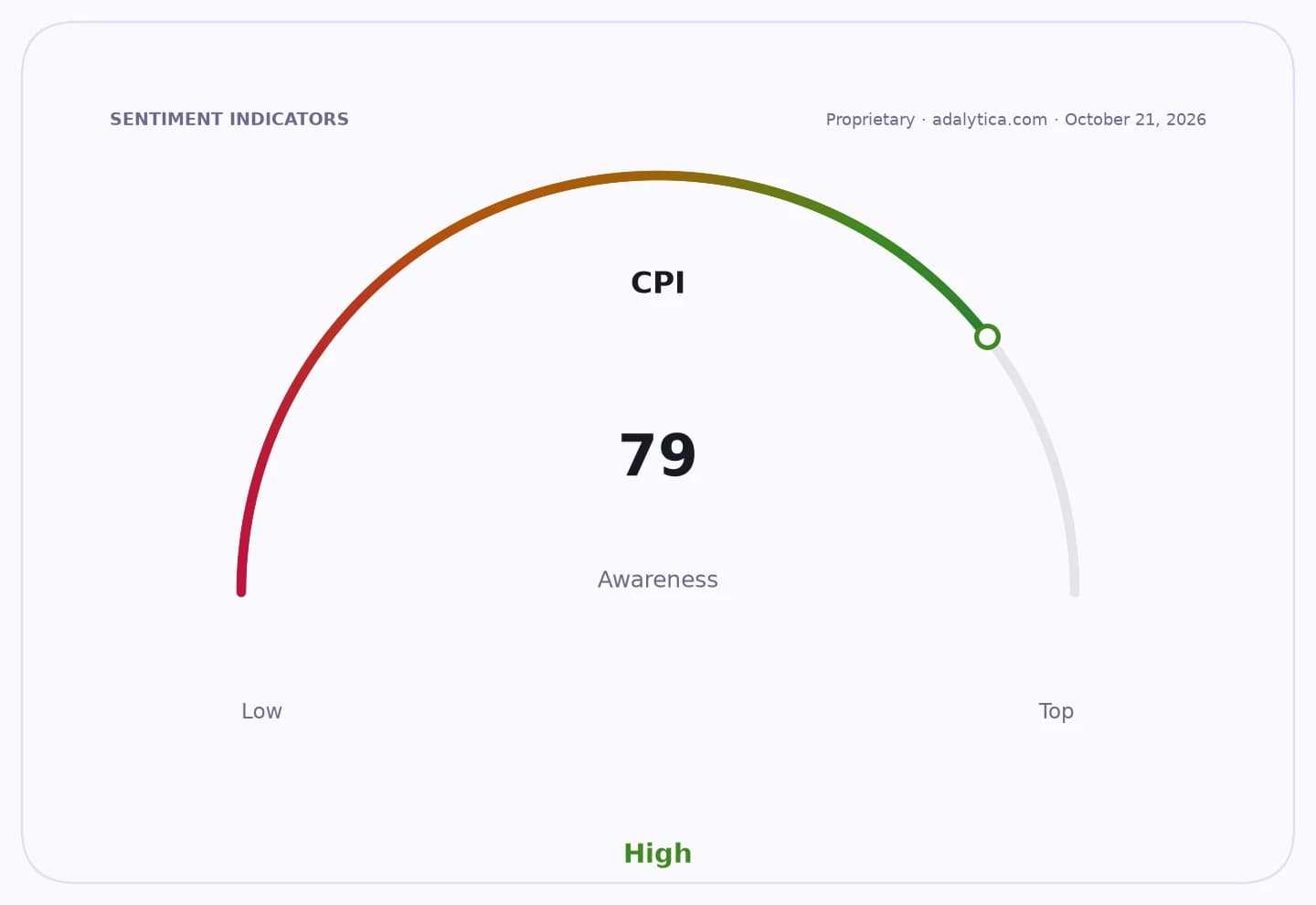
Sentiment Indicators
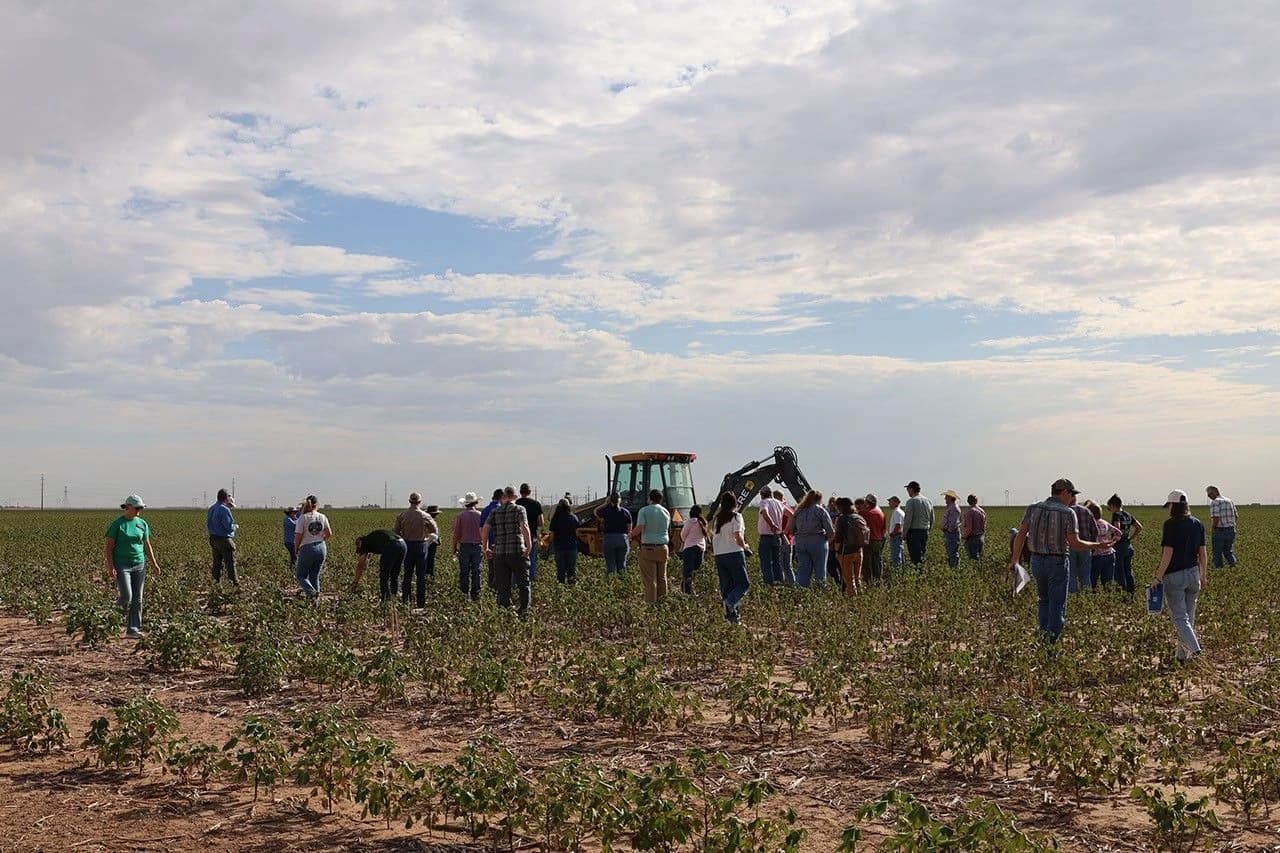
The survey of 124 stakeholders across Pakistan, Bangladesh, Egypt, Turkey and China shows the problem is already embedded in operations. Nine in 10 respondents said they have been affected by extreme weather in recent years, while 80% reported spot-market price spikes and more than half cited shipment or logistics delays.
Midstream suppliers were among the hardest hit: more than 75% reported severe disruptions from delayed or unpredictable planting seasons. The report also said 76.2% of government and academic respondents and 63.6% of field implementation teams saw reduced yield per acre, underscoring how climate stress is cutting supply before cotton even reaches the export chain.
For investors, the key risk is not just lower supply but more erratic input costs. CottonConnect said 65% of respondents expect greater price volatility over the next three to five years, while 52% anticipate further declines in raw cotton quality. Another 21% see a shift toward synthetic fibers, and 18% expect sourcing to move away from high-risk regions.
That has direct implications for apparel companies already flagging sourcing and trade risk in regulatory filings. Brands such as Ralph Lauren, American Eagle Outfitters and Levi Strauss have warned that climate, tariffs, traceability and supply-chain disruptions can lift costs and pressure execution. Higher cotton volatility can feed through to inventory planning, gross margins and working-capital needs, especially for companies with long lead times and heavy emerging-market exposure.
CottonConnect also pointed to a compliance angle that is becoming more important as Europe tightens sustainability disclosure and due-diligence rules. On average, 14% of respondents expect regulatory penalties or compliance failures tied to climate disruptions, and the group said digital traceability will be critical for proving where cotton comes from and how it was produced.
The organization said its TraceBale system has already mapped the equivalent of three billion T-shirts from farm to finished export, giving brands a way to document chain of custody and support Scope 3 and CSRD/CSDDD reporting. It also said farmers in its Reel Regenerative program posted a 7.5% yield increase, 34.9% higher net profit per acre and 15.4% lower input costs, suggesting resilience investments can improve both supply security and farm economics.
The broader message for the textile sector is that climate adaptation is moving from an ESG theme to a procurement imperative. Brands that can secure verified fiber, invest in water and soil management, and trace supply back to farm level may be better placed to protect supply, while those that rely on spot buying from vulnerable regions face more pricing swings and compliance risk.
| Entity | Gains | Losses |
|---|---|---|
| Apparel brands with traceable sourcing | ▲Better supply visibility | ▼Higher near-term procurement costs |
| Cotton farmers using regenerative practices | ▲Higher yields and profits | ▼Exposure to climate shocks |
| Low-risk cotton suppliers | ▲More sourcing demand | ▼Less if brands diversify away |
| Brands reliant on spot-market cotton | ▲Short-term buying flexibility | ▼Volatility, shortages, compliance risk |