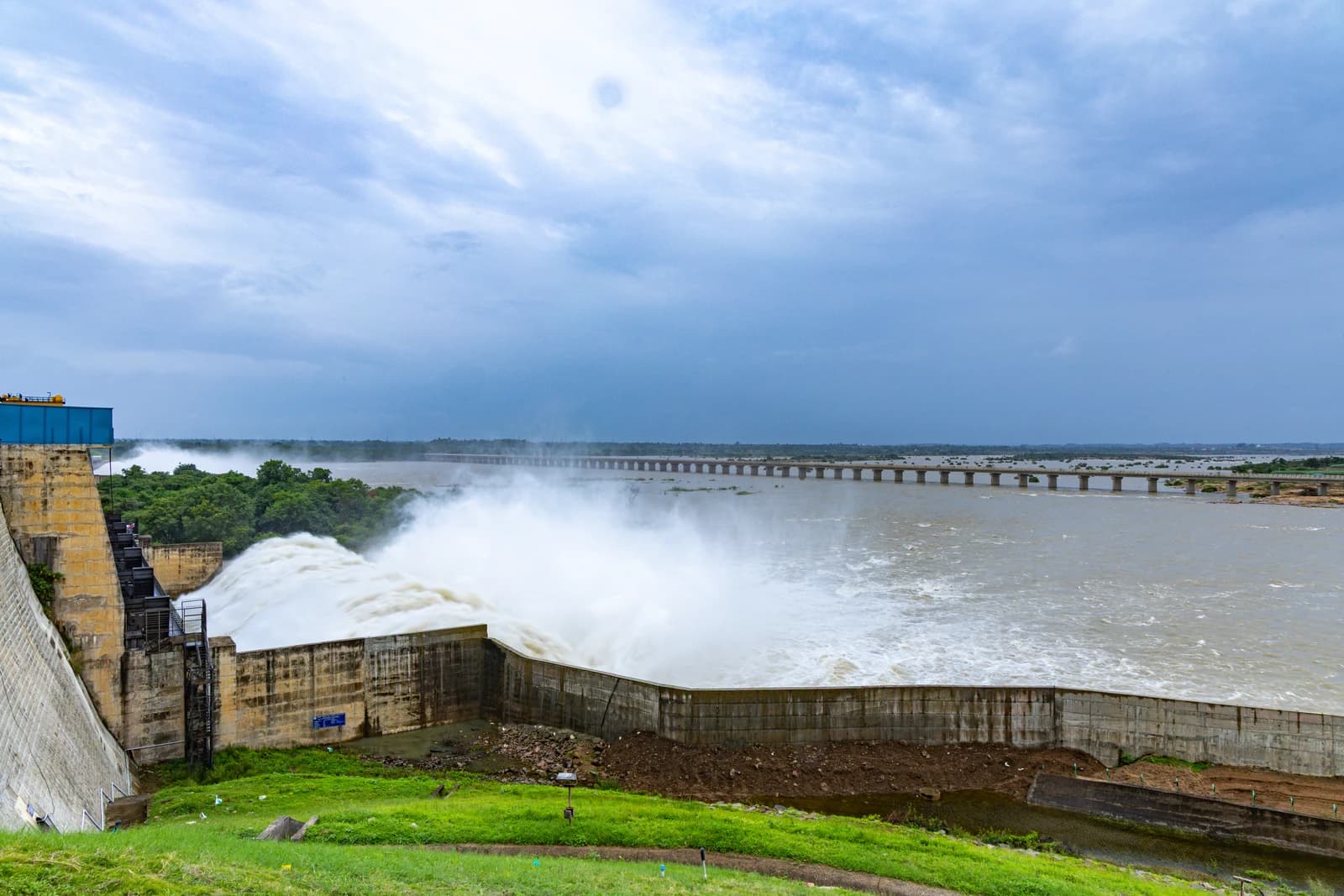
Bangkok’s flood emergency is worsening fast, and the most important market consequence is not the immediate politics — it is the growing strain on urban logistics, household spending and business continuity across one of Thailand’s key economic corridors.
Bangkok Floods Disrupt Logistics and Consumer Spending
Labor Minister Chulapan Amornvivat on Oct. 4 visited the Romklao-Lat Krabang housing estate after severe standing water disrupted homes and roads, adding to a broader flood crisis that has already pushed Thailand to declare Bangkok and 50 other provinces disaster areas. The government says nearly two million people have been affected and eight have died, underscoring how quickly a weather shock has become an economic shock.
Lat Krabang matters because it sits near a dense cluster of factories, warehouses, transport links and worker housing that helps keep Bangkok’s supply chains moving. When floodwater blocks roads and adds commuting time and costs, it hits wage earners first — but the second-order effect is wider: missed shifts, slower deliveries, damaged appliances, strained small businesses and higher short-term repair spending. That is why Chulapan’s response went beyond handing out survival kits and included a free repair program for flood-damaged electrical appliances and motorcycles.
The ministry’s “Center for Repair and Restore Happiness” is a practical signal that the state is trying to limit the economic drag from the disaster, not just provide symbolic relief. Residents can register through Traffy Fondue so officials can triage requests and schedule repairs. That matters because fast restoration of household transport and basic appliances is what gets workers back on the job and prevents the flood from turning into a longer consumer slowdown.
For investors, the key question is who absorbs the cost and who earns it. In the near term, flood-related claims, logistics disruption and repair bills will pressure insurers, retailers, transport operators and local manufacturers. Over time, the bigger opportunity may sit with companies tied to flood resilience, drainage, construction, electrical replacement, industrial clean-up and infrastructure hardening. Thailand’s repeated flood cycles keep exposing the same weakness: urban growth has outpaced water management.
The market underestimates how often these shocks can force policy and capital to move together. Each severe flood raises the odds of more public spending on drainage, embankments, pumps and urban upgrades, while also favoring suppliers of replacement appliances, motorcycle parts, construction materials and industrial maintenance services. The damage is immediate, but the investment theme is durable.
If the rains continue, the relief effort will likely widen beyond Lat Krabang and into more of Bangkok’s industrial and residential belt. That keeps the focus on infrastructure beneficiaries and away from businesses with thin margins and low flexibility. For investors, the thesis is straightforward: Thailand’s flood risk is not just a humanitarian issue — it is a recurring catalyst for a new round of resilience spending, and the best-positioned names are the ones that help the city keep moving when the water rises.
| Entity | Gains | Losses |
|---|---|---|
| Flood repair suppliers | ▲Higher demand | ▼None immediately |
| Bangkok workers and residents | ▲Relief kits, free repairs | ▼Disrupted commutes, damaged homes |
| Insurers and transport firms | ▲None | ▼Claim costs, delays |
| Infrastructure and drainage contractors | ▲Future spending tailwind | ▼None immediately |