Bangladesh’s plan to buy 10 LNG cargoes a year from Algeria matters less for its initial scale than for what it says about how strained Asian gas markets are forcing buyers to redraw their supply maps.
Bangladesh plans LNG cargoes from Algeria

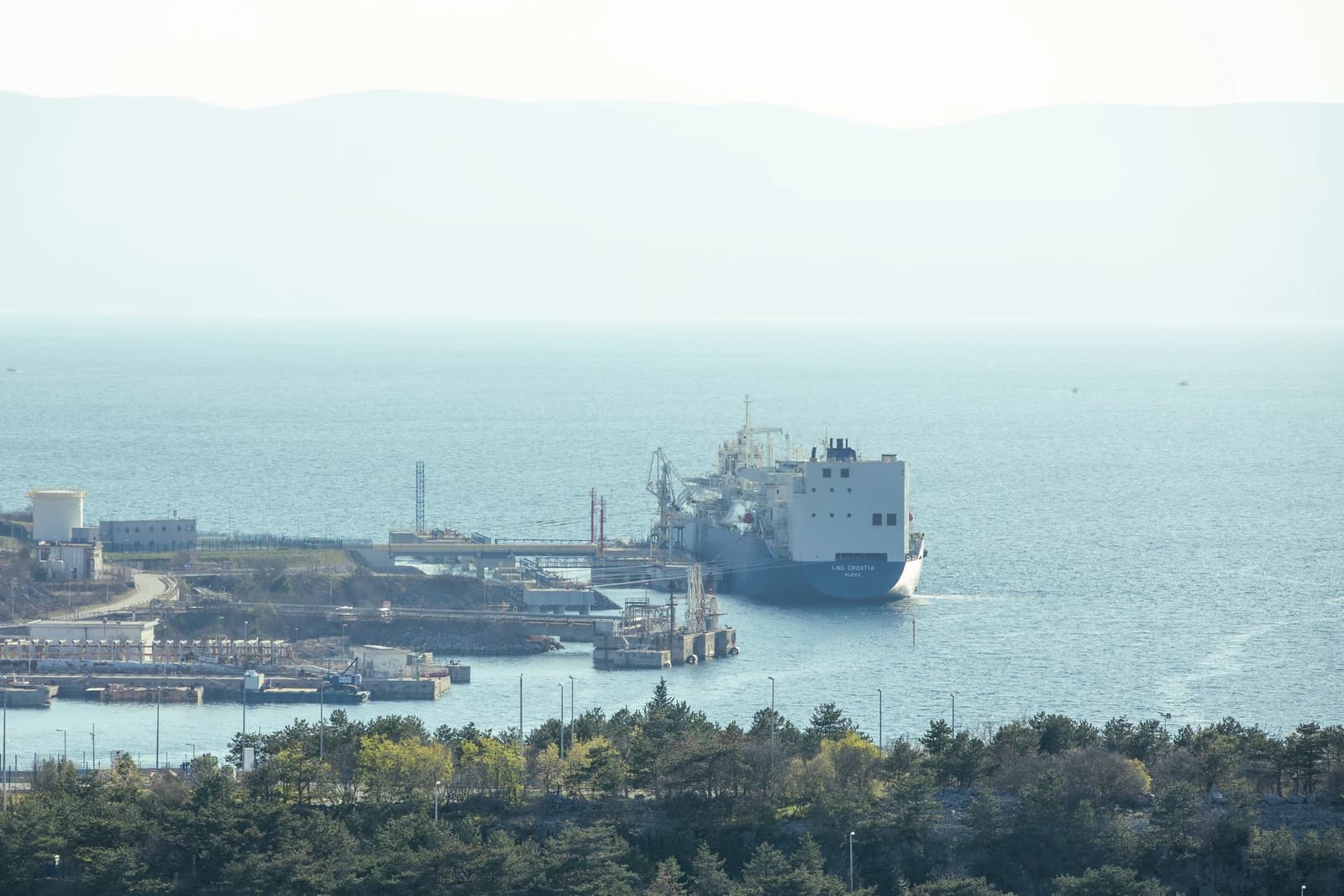
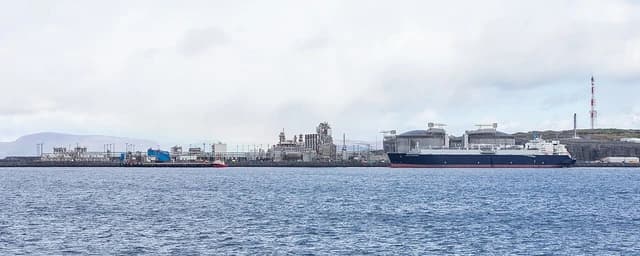
The talks, still at an early stage, would give Dhaka a short-term source of liquefied natural gas at a time when prices have been volatile and some of its traditional supply routes have been disrupted. For Bangladesh, the priority is energy security and diversification. For Algeria’s Sonatrach, a deal would open a rare foothold in Asia, a market where the North African exporter still sells only a small share of its LNG compared with Europe.
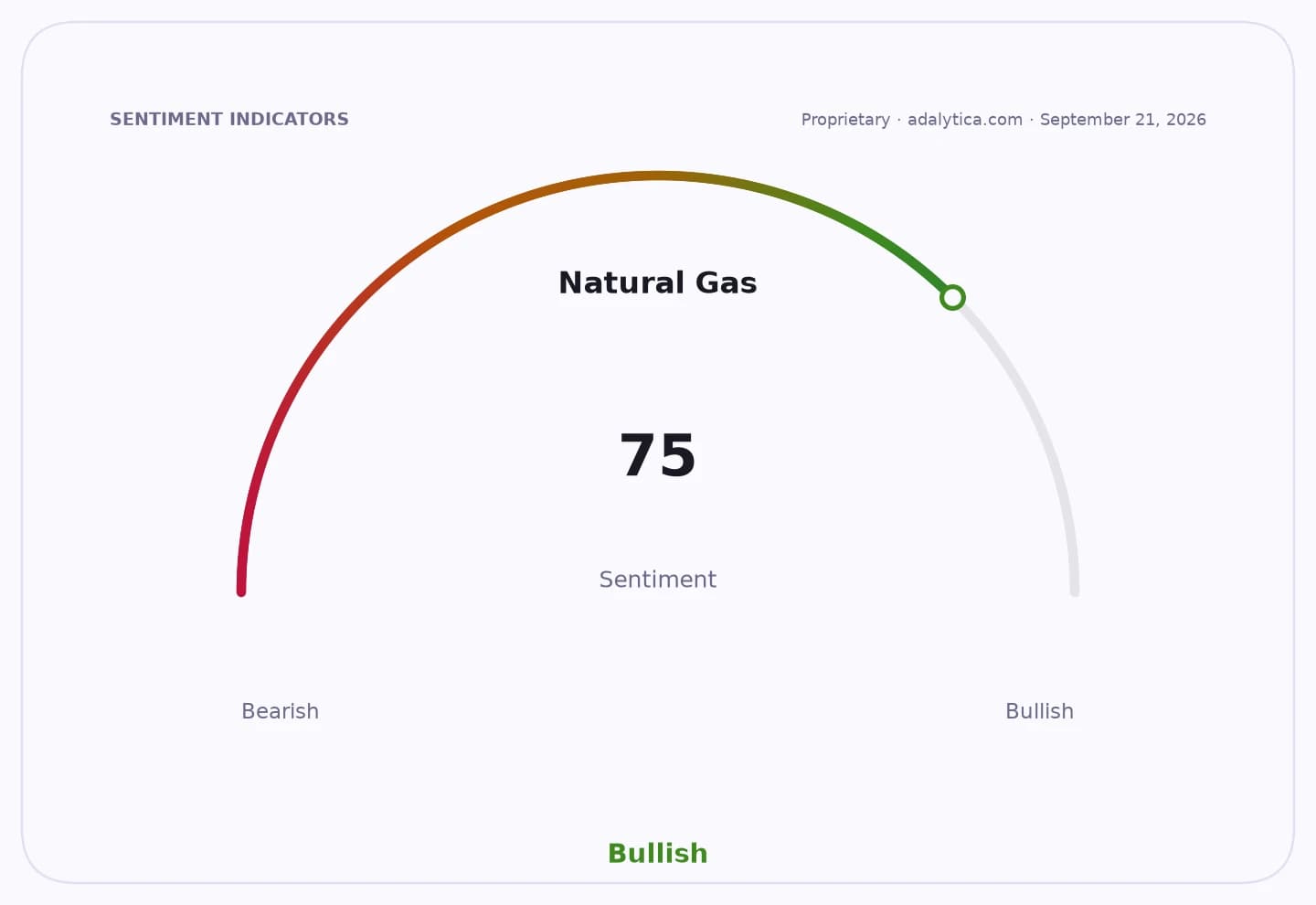
Sentiment IndicatorsⓘProprietary · adalytica.com · September 17, 2026
This is a snapshot — live sentiment, awareness and momentum for 130+ markets update continuously in the dashboard.Open AlphaPulse
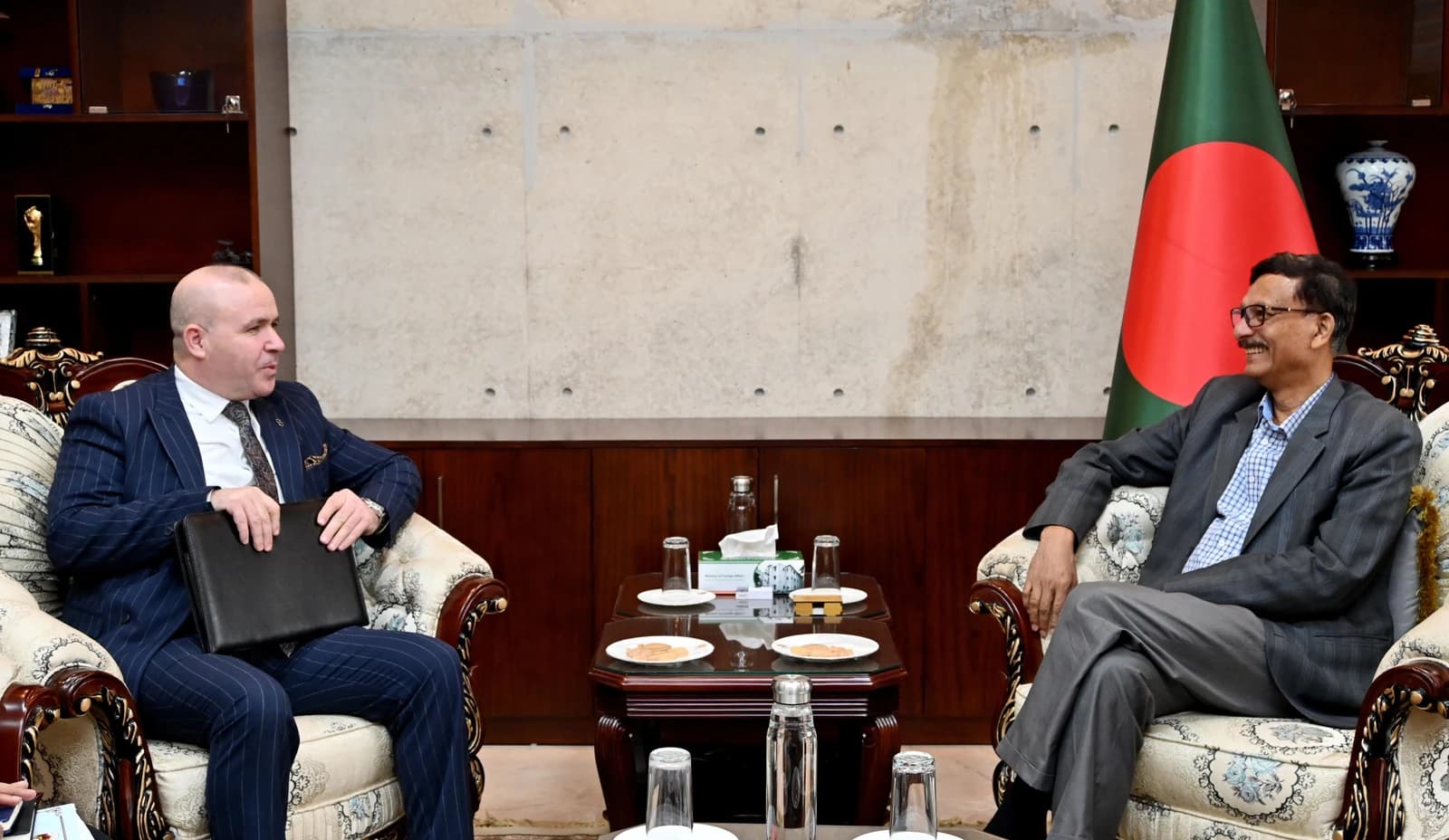
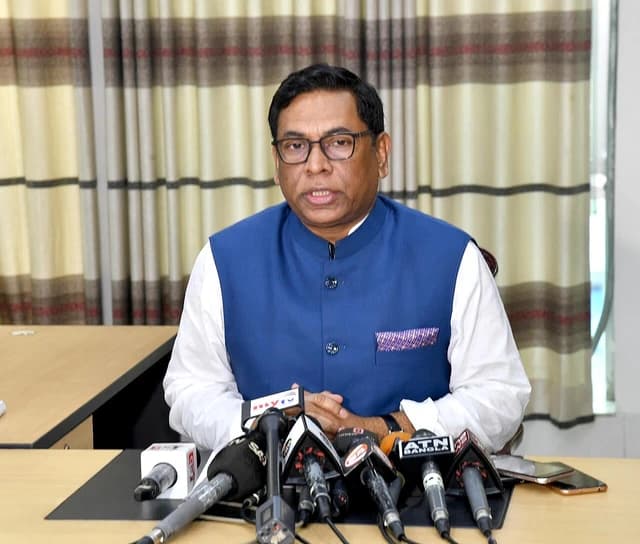
Officials from both countries first discussed the idea on Sept. 10 in a video conference involving Algeria’s hydrocarbons minister Mohamed Arkab, Bangladesh energy minister Iqbal Hassan Mahmood, Sonatrach chief executive Nour Eddine Daoudi and representatives from Petrobangla and Bangladesh Petroleum Corp. The sides also discussed broader cooperation in LPG and energy infrastructure, suggesting the LNG talks could be part of a wider commercial reset rather than a one-off cargo arrangement.
The commercial logic is straightforward. Bangladesh wants to reduce dependence on suppliers that have been less reliable, while Algeria is looking to test pricing and shipping economics for Asian deliveries. But the deal remains contingent on several variables that could still derail it: final volumes, delivery terms, freight costs and the price Bangladesh is willing to pay. Sources cited by Attaqa said an agreement is unlikely before the end of 2026.
The timing also reflects a broader shift in the LNG trade. High gas prices have been squeezing Asian demand, especially in price-sensitive markets such as Bangladesh, even as Europe continues to absorb the bulk of Algerian exports. Algeria shipped about 4.47 million tonnes of LNG in the first half of 2026, down 6.5% from a year earlier, with more than 90% going to five European countries. Just 440,000 tonnes went to other markets, underscoring how little room Sonatrach has so far made in Asia.
For investors, the story is about optionality rather than immediate revenue. A Bangladeshi contract would be too small to move Algeria’s export profile on its own, but it would show Sonatrach can broaden its customer base beyond Europe at a moment when importers are seeking more flexible supply. That could matter if Asian buyers keep pressing for shorter, more tactical deals rather than long-term commitments.
It also highlights the opposite risk for global LNG producers: when prices stay elevated, the burden usually falls first on emerging-market buyers with less ability to lock in supplies. If Bangladesh proceeds, it would reinforce the view that Asia’s LNG market is becoming more fragmented, with countries bargaining for smaller, more opportunistic volumes while Europe remains the anchor destination for major suppliers.
| Entity | Gains | Losses |
|---|---|---|
| Bangladesh | ▲More supply diversity | ▼Higher freight and purchase costs |
| Sonatrach | ▲Entry into Asia | ▼Reliance on Europe narrows |
| European LNG buyers | ▲Less immediate competition | ▼Potentially fewer flexible cargoes |
| Asian spot buyers | ▲Possible new source | ▼Continued price pressure |