Bangladesh has arrested 633 foreign nationals in the past 26 months over crimes ranging from online fraud and gambling to drug trafficking, gold smuggling and illegal entry, underscoring how the South Asian country is becoming a transit point for cross-border criminal networks.
Bangladesh arrests 633 foreign nationals in 26 months
The spike matters economically because the cases now span not just street-level crime but scam centers, counterfeit investment schemes, mobile banking fraud and trafficking routes that touch customs, immigration, telecoms and the financial system. Authorities say many suspects entered on business, tourist or visa-on-arrival permits and then stayed on illegally, complicating enforcement and raising the cost of deportation for the state.
India accounts for by far the largest share of arrests, with 346 nationals detained since August 2024, followed by Myanmar with 62, Taiwan with 61, Laos with 35, Pakistan with 24 and China with 22. Another 81 people from countries including Nigeria, Somalia and Thailand were also held, according to police and prison officials.
Police say many of the cases involve organized groups setting up or trying to set up scam centers in Bangladesh, often using social media lures, fake crypto and investment pitches, or promises of high-paying work. In one raid in Chattogram in September, police arrested 70 foreign nationals and recovered 170 electronic devices. In Cox’s Bazar, officers later detained six foreigners in a separate case after receiving information from Dhaka police.
The arrest figures also highlight a broader immigration and compliance problem. Police said 7,088 foreigners from 126 countries were still in Bangladesh after their visas expired, including 2,164 Indians and 1,995 Chinese nationals. Not all of them are tied to crime, but officials said repeat offenders often exploit gaps in passport reporting, case delays and bail to remain in the country.
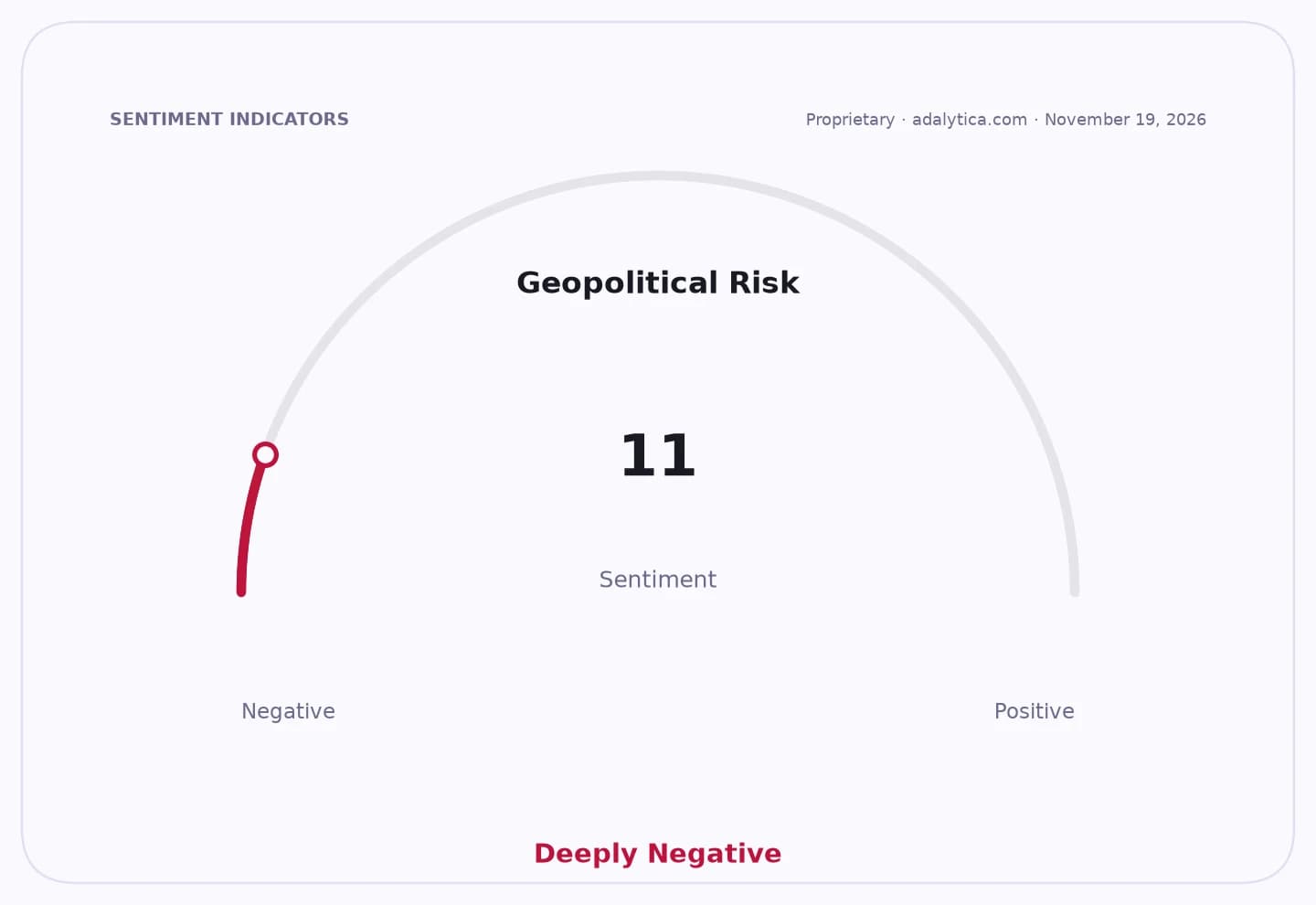
For investors and businesses, the issue matters because it raises scrutiny over due diligence at hotels, offices, courier services and private firms where some undocumented foreigners are said to work. It also points to tighter enforcement risk around sectors linked to cross-border payments, e-commerce, online gaming and informal trade, while drawing attention to Bangladesh’s exposure to regional trafficking and fraud networks that have already ensnared victims in Cambodia and Myanmar.
Authorities say some foreign suspects are moving money, counterfeit goods and drugs through Bangladesh, while others are targeting consumers with fake profit schemes linked to gold, bitcoin and overseas gift scams. The Border Guard Bangladesh recently detained two Indian nationals near Sylhet with a firearm and ammunition, and narcotics officers have also arrested Indian citizens carrying cannabis in Dhaka airport operations.
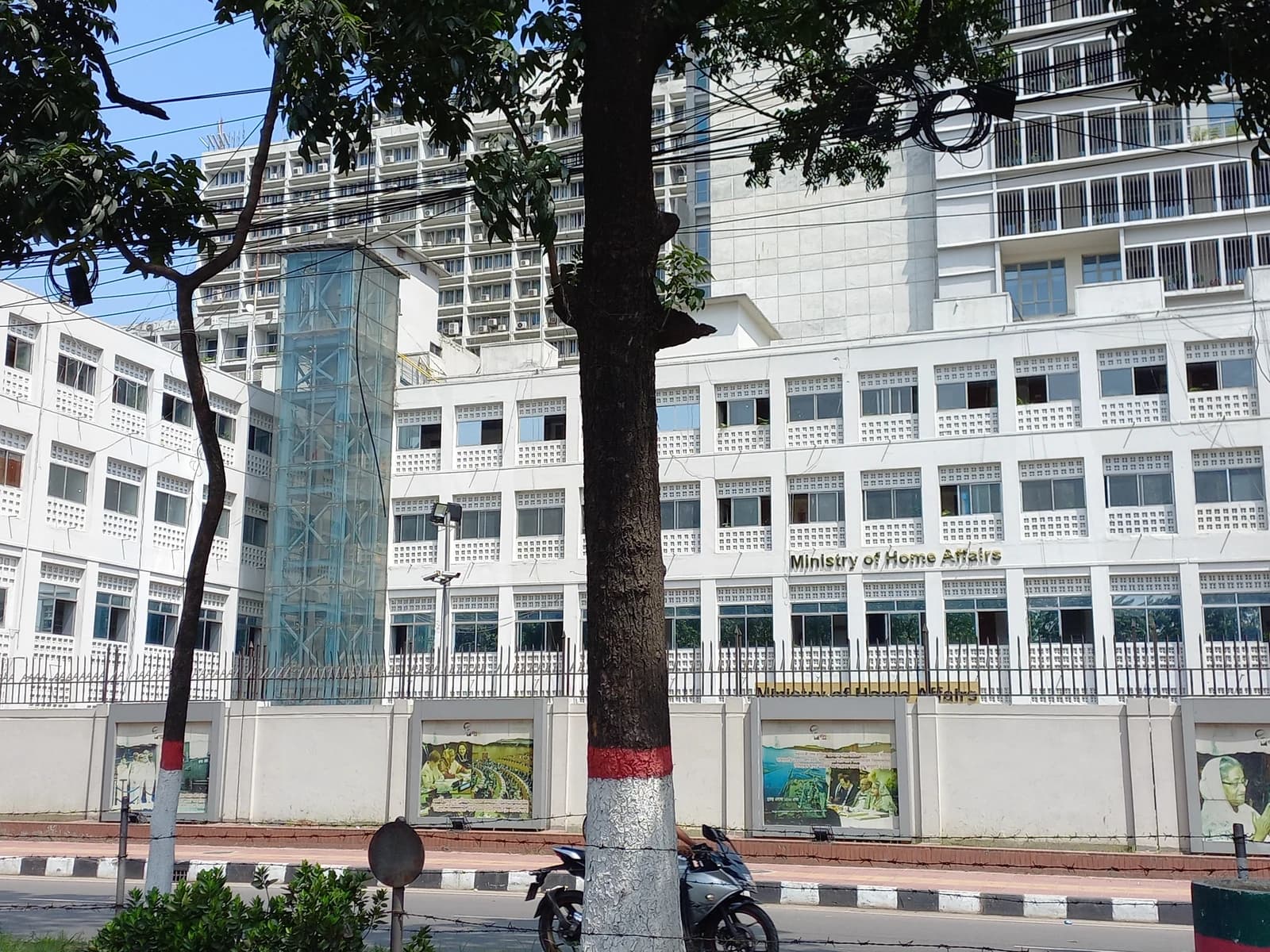
Police officials say enforcement is continuing, but they also acknowledge that deportation remains difficult and costly when suspects destroy passports or exploit pending cases. The next pressure point will be whether the government orders wider raids on suspected scam hubs and illegal foreign workers, and whether that pushes more cases into the courts and immigration system.
| Entity | Gains | Losses |
|---|---|---|
| Bangladeshi law enforcement | ▲More leverage to raid networks | ▼Higher enforcement burden |
| Foreign scam and smuggling rings | ▲— | ▼Arrests, seizures, deportation risk |
| Banks, telcos, legitimate employers | ▲Tighter compliance scrutiny | ▼More checks and disruption |
| Investors in Bangladesh risk assets | ▲Cleaner rule-of-law signal if crackdown works | ▼Higher regulatory and operational uncertainty |