Malaysia’s move to deepen law enforcement and security cooperation with China matters because cross-border cyber fraud has become a direct economic and social drag, and both governments are now treating it as a bilateral risk rather than a policing nuisance.
Malaysia and China deepen cyber fraud cooperation
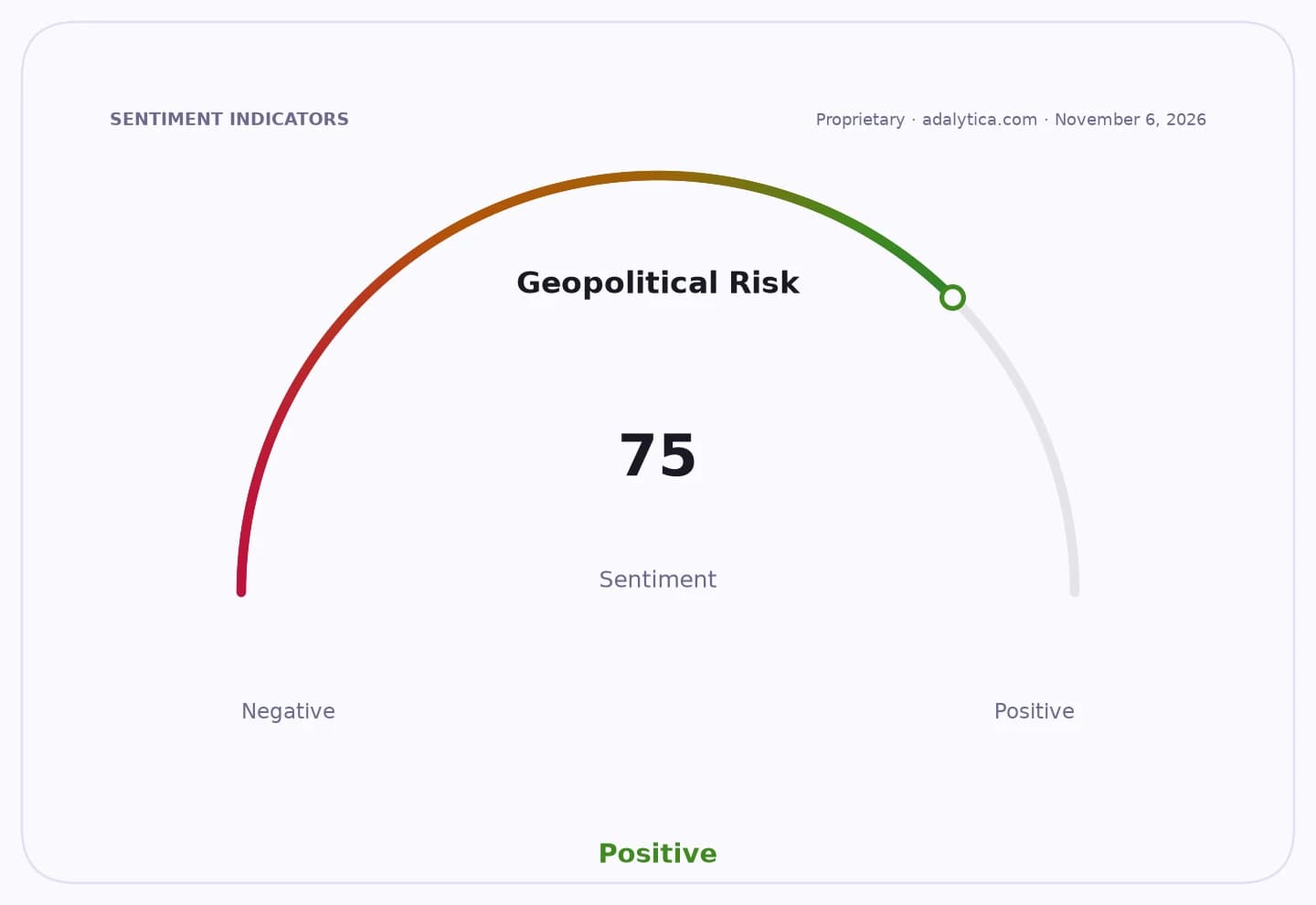
Geopolitical Risk
Home Minister Saifuddin Nasution Ismail said he met Chinese Public Security Minister Wang Xiaohong in Shenzhen and discussed joint operations, strategic cooperation and international initiatives to combat telecommunications and cyber fraud. The meeting also produced signed cooperation documents, signaling that this is moving beyond diplomatic language into operational coordination.
Sentiment Indicators
For investors, the significance is bigger than the headline suggests. Cybercrime is increasingly acting like a tax on growth across Southeast Asia, undermining consumer trust, draining bank resources and pressuring telecoms, payments and digital platforms that rely on secure transaction flows. When governments coordinate more closely on enforcement, it can reduce one source of friction for the region’s digital economy and improve the operating backdrop for companies exposed to cross-border commerce.
The timing also matters because Malaysia is trying to balance tighter security cooperation with China alongside broader economic ties. That matters for capital flows into the country and the region, particularly where investors are looking at digital infrastructure, cybersecurity, telecoms and fintech as secular growth themes. The market is underestimating how much of Asia’s next investment cycle will be shaped not just by AI and data-center spending, but by the security architecture needed to protect those systems.
The broader context is a region dealing with more complex threats, from online fraud rings to geopolitical strain. Malaysia’s recent detentions of Chinese nationals suspected in an online fraud syndicate underline why enforcement coordination is becoming more valuable, while China remains a crucial trade and investment partner. The policy signal is clear: Kuala Lumpur wants to keep China close on security even as it courts broader economic cooperation.
For investors, that supports a practical thesis: the real beneficiaries are the “picks-and-shovels” of digital trust, cybersecurity infrastructure, regulated payment rails and compliant telecom operators that can scale as enforcement tightens and fraud risk rises. If bilateral coordination follows through, it could become one more tailwind for the region’s formal digital economy and one more headwind for the shadow networks that have fed off fragmented enforcement.
| Entity | Gains | Losses |
|---|---|---|
| Malaysia | ▲Stronger cyber enforcement | ▼Fraud syndicates |
| China | ▲Better bilateral ties | ▼Criminal networks |
| Telecoms & fintech | ▲Safer payment flows | ▼Fraud-related losses |
| Cybercriminals | ▲— | ▼Coordinated policing |