Malaysia’s effort to turn a high-level China visit into tangible economic gains is the real story here, with Deputy Prime Minister Ahmad Zahid Hamidi pressing Beijing on skills training, technology transfer and broader trade cooperation that could shape the country’s growth for years.
Malaysia-China talks on TVET, trade and investment

For investors, the significance is straightforward: Malaysia is trying to move up the value chain. The pitch in Tianjin and Beijing centered on technical and vocational education and training, or TVET, as the backbone for future industries such as smart manufacturing, robotics, electric vehicles, semiconductors and industrial digitalisation. That matters because Malaysia’s long-term competitiveness will depend less on cheap labor and more on whether it can supply the engineers, technicians and plant workers that higher-value manufacturing needs.
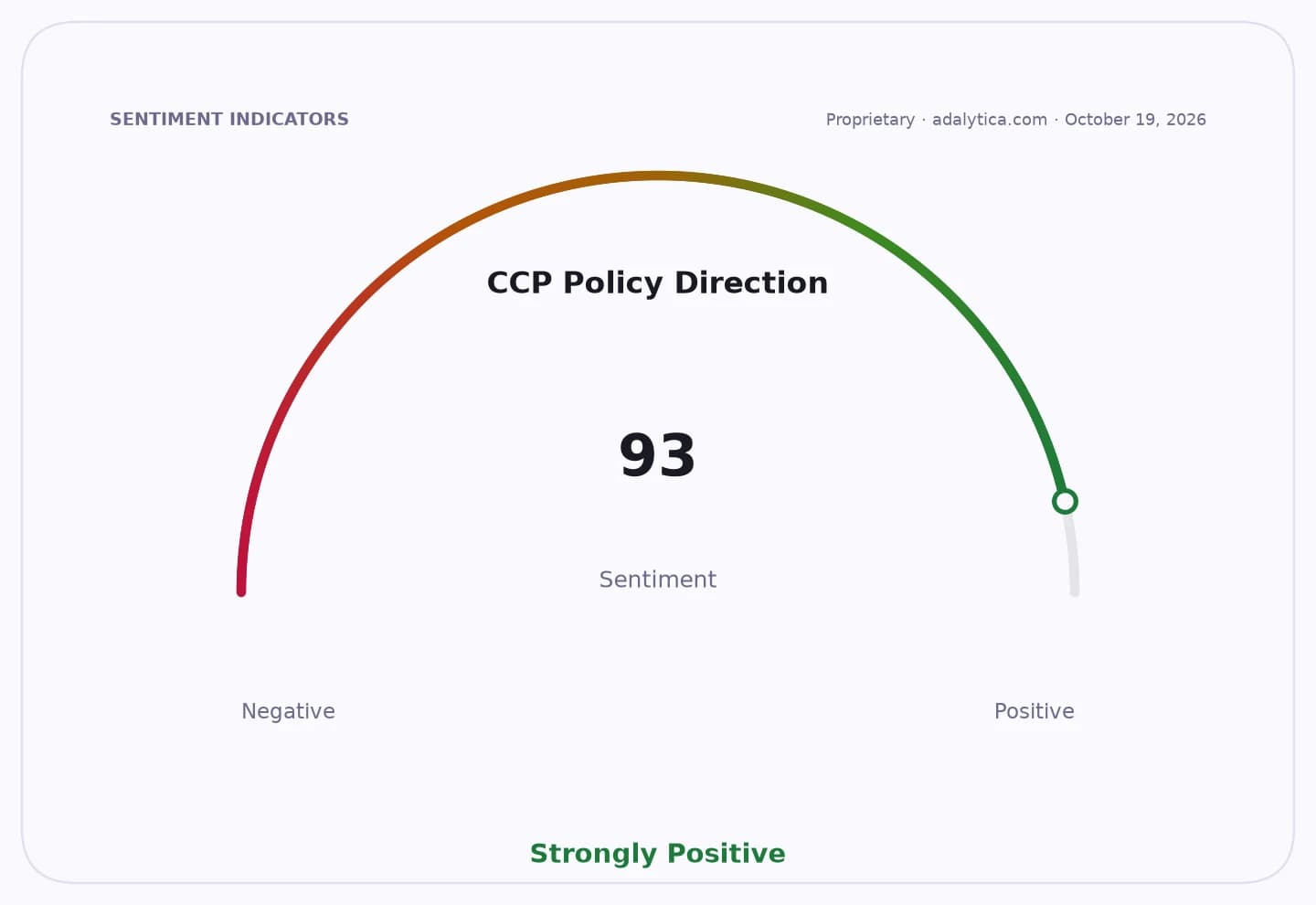
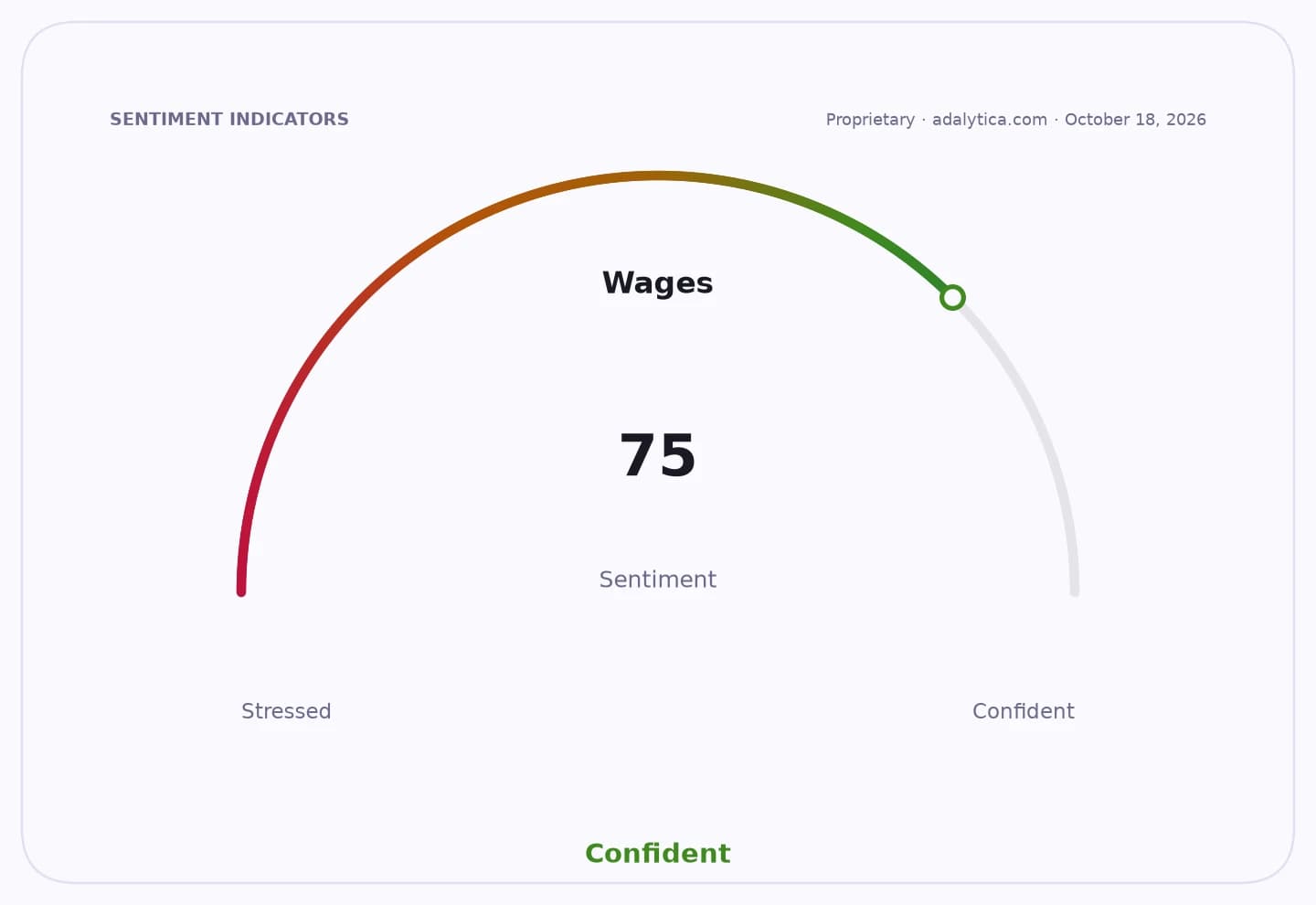
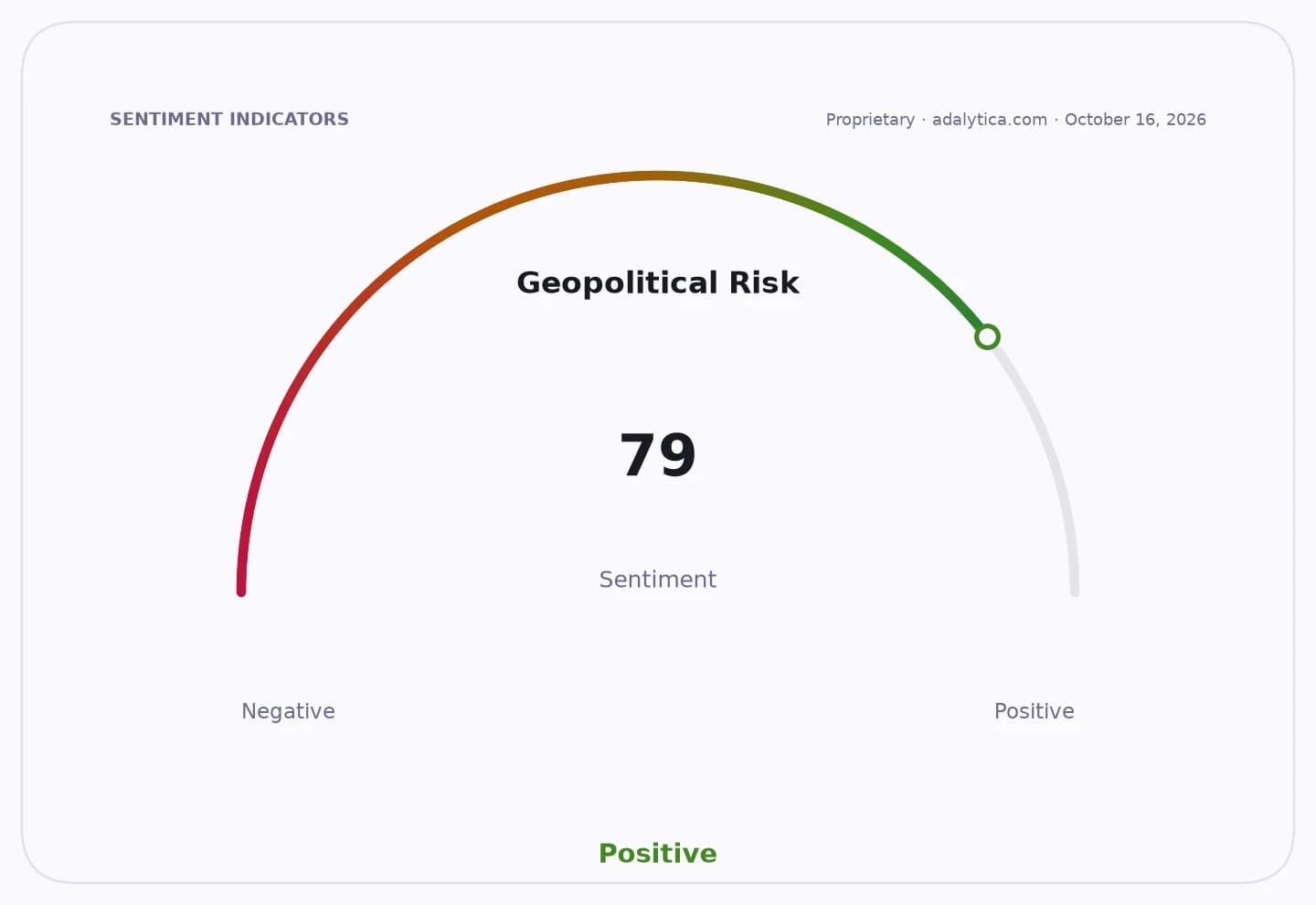
Sentiment IndicatorsⓘProprietary · adalytica.com · October 20, 2026
This is a snapshot — live sentiment, awareness and momentum for 130+ markets update continuously in the dashboard.Open AlphaPulse
Ahmad Zahid, who also chairs the National TVET Council, used the trip to promote what Kuala Lumpur calls a TVET 2.0 approach, aimed at narrowing the gap between classrooms, factories and the labor market. Malaysia also proposed a Malaysia-China Institute as a practical hub for training, trainer development and technology transfer, and even floated a World TVET Council with China as permanent secretariat or host. That is more than diplomatic theater. It is a bid to institutionalize skills cooperation in a way that could help Malaysia build a deeper industrial ecosystem, not just attract one-off projects.
The economic upside goes beyond education. Malaysia and China discussed renewing their Investment Guarantee Agreement, which would strengthen protection for investment in strategic sectors. They also talked about using the renminbi more in cross-border transactions and positioning Malaysia as a bridge between ASEAN, China and the Gulf Cooperation Council. If those ideas gain traction, they could lower friction in trade and investment flows and make Malaysia a more useful hub for Chinese capital and supply chains.
There is also a clear security and resilience angle. The two sides are working on a security memorandum of understanding, with discussions around online scams, cybercrime, intelligence sharing and even an extradition treaty. Separately, Malaysia proposed cooperation on satellite monitoring, artificial intelligence and early warning systems for disaster management. In a region where climate shocks and digital fraud can hit commerce quickly, those are not side issues — they are part of the operating environment for businesses and insurers.
The broadest implication is that Malaysia is trying to deepen a relationship that already carries enormous weight for its exporters, manufacturers and labor market. China’s backing for Malaysia’s BRICS aspirations adds a geopolitical layer, but the more immediate market takeaway is that Kuala Lumpur wants Chinese support to translate into investment, industrial upgrading and better-qualified workers. That is the kind of policy mix that can support earnings growth for domestic champions and foreign-linked manufacturers over time.
The move won’t transform Malaysia overnight, and execution will matter more than declarations. But for long-term investors, the direction is encouraging: more training, more technology transfer and tighter ties with the world’s second-largest economy. In a world where supply chains are being rewired and countries are competing for capital, that is worth watching closely.
| Entity | Gains | Losses |
|---|---|---|
| Malaysia | ▲Skills upgrading; stronger investment appeal | ▼Need to execute reforms |
| China | ▲Deeper ASEAN access; stronger regional influence | ▼More policy expectations |
| Manufacturers | ▲Better-trained labor; tech transfer | ▼Higher competition for standards |
| Rival low-cost hubs | ▲— | ▼Lose Malaysia’s upgrading edge |