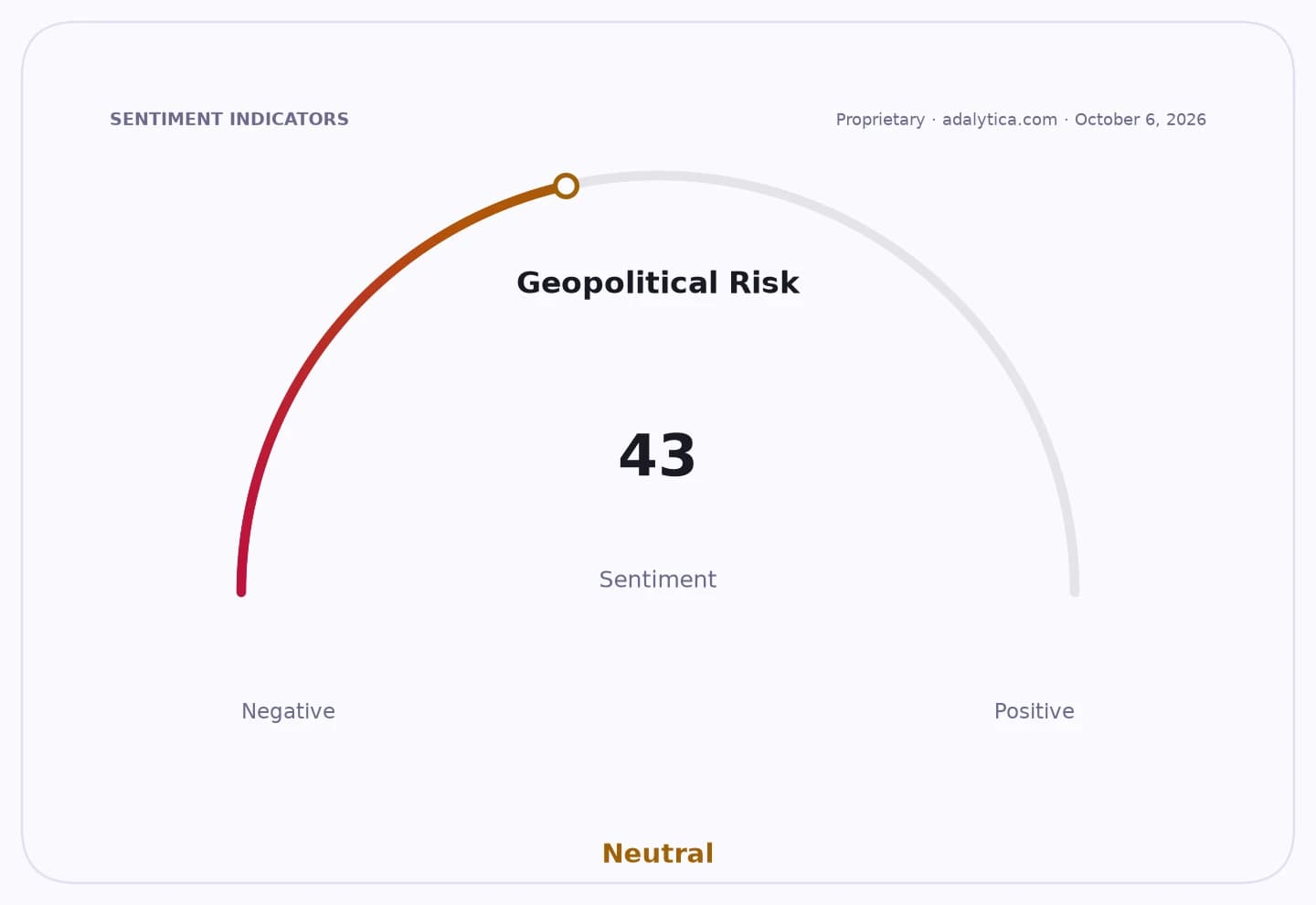
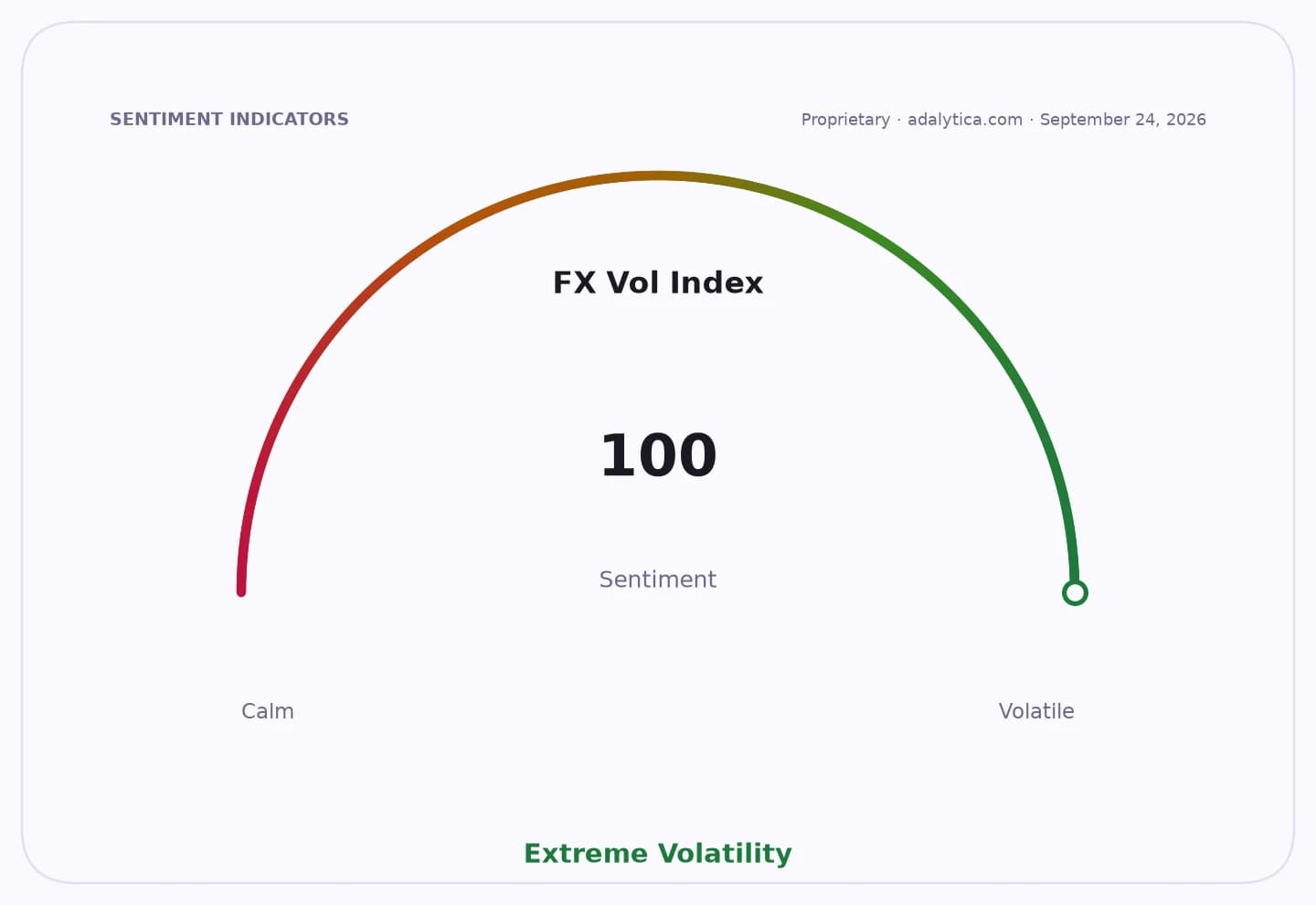
Malaysia’s decision to deepen ties with Egypt beyond religious and educational links matters because it is really about trade resilience, regional access and geopolitical insurance in a more fragile world. The two countries have agreed to elevate their relationship to a strategic partnership, a move that could help Malaysia hedge against supply-chain shocks around the Red Sea while giving Egypt a stronger gateway to Southeast Asia.
Malaysia-Egypt Strategic Partnership on Trade Access
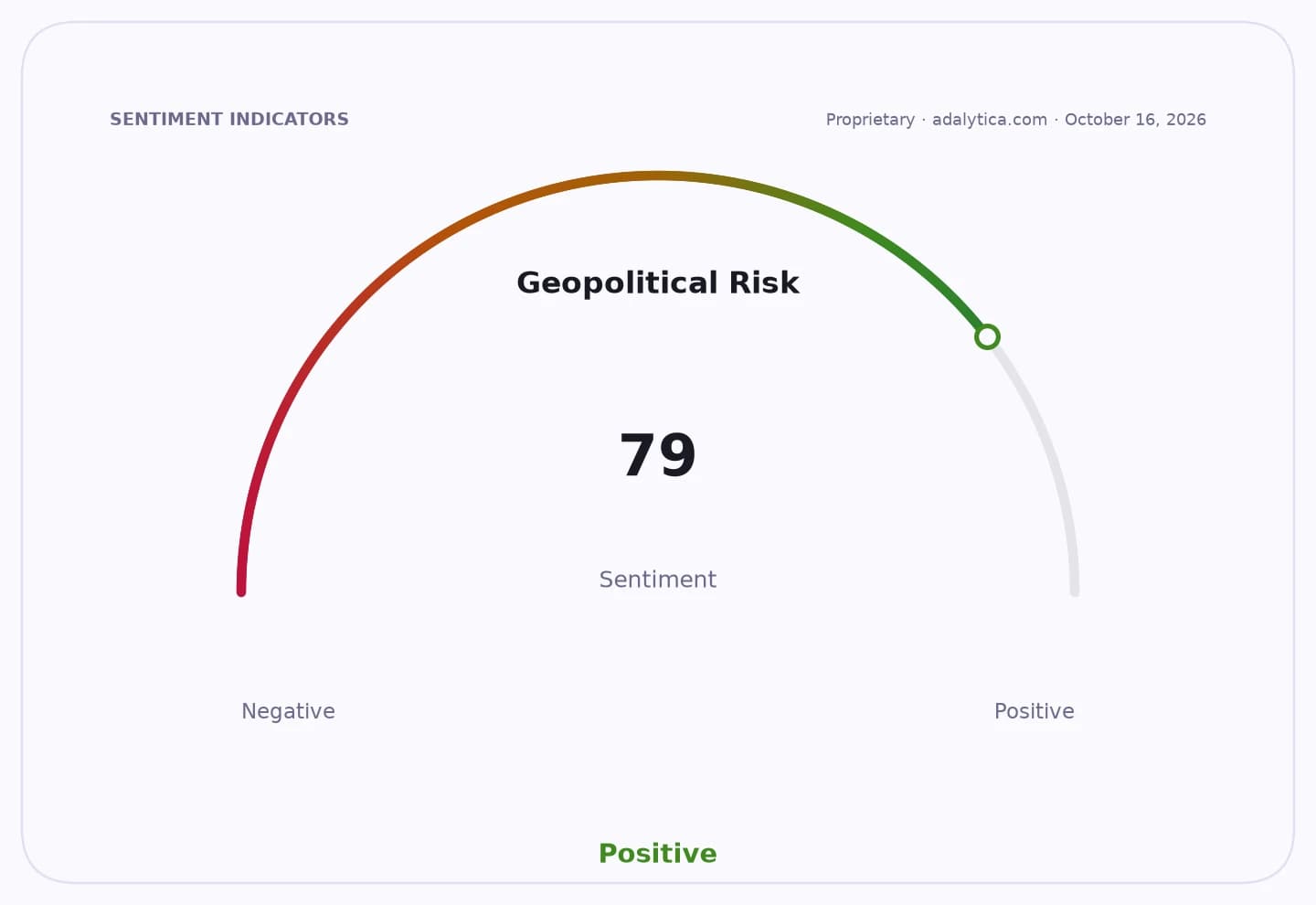
That is the economic heart of the story. Egypt sits astride the Suez Canal, one of the world’s most important maritime chokepoints, and instability in the Red Sea has already shown how quickly shipping delays, insurance costs and energy prices can spill into global commerce. For an export-dependent economy like Malaysia, that means Middle East and North Africa ties are no longer a diplomatic nicety. They are part of managing exposure to the arteries of world trade.
Sentiment IndicatorsⓘProprietary · adalytica.com · October 16, 2026
This is a snapshot — live sentiment, awareness and momentum for 130+ markets update continuously in the dashboard.Open AlphaPulse
The partnership also opens a more practical path for both sides. Malaysia brings manufacturing depth, industrial know-how and access to Asean, while Egypt offers geography, diplomatic reach and a route into African and Mediterranean markets. That is why the conversation in Kuala Lumpur went well beyond theology and Al-Azhar University, touching instead on engineering, medicine, semiconductors, artificial intelligence, digital technology and renewable energy.
Investors should pay attention because the real opportunity here is not a headline ceremony but a gradual expansion of commercial channels. Joint work on maritime security, logistics, transport corridors, investment and education can help create the kind of institutional links that support trade over years, not months. If those links translate into contracts, logistics projects and broader market access, the beneficiaries could include exporters, infrastructure builders, education providers and firms tied to energy and supply-chain services.
There is also a broader geopolitical logic that markets should not ignore. Malaysia has long favored non-alignment and Asean centrality, but its economic interests increasingly extend beyond Southeast Asia. A stronger relationship with Egypt gives Putrajaya another partner in a region where disruptions around the Red Sea, Bab el-Mandeb and Hormuz can ripple into shipping costs, fuel prices and corporate planning across Asia.
For long-term investors, the takeaway is simple: partnerships that improve trade optionality and reduce geopolitical fragility are worth watching. The gains will not show up overnight, but in a world of higher transport risk and more fragmented global commerce, strategic relationships like Malaysia-Egypt can become quietly valuable.
| Entity | Gains | Losses |
|---|---|---|
| Malaysia | ▲Better trade access, geopolitical depth | ▼Greater exposure management burden |
| Egypt | ▲Asean connectivity, investment inflows | ▼Less reliance on traditional partners |
| Exporters and shippers | ▲New corridors, lower uncertainty | ▼Higher compliance and transition costs |
| Red Sea supply chains | ▲Stronger resilience planning | ▼More pressure from existing chokepoint risk |