China is moving beyond pure capital deployment in Malaysia and wants to widen cooperation through the transfer of technology and know-how, a shift that could reshape the economic value of bilateral projects and determine how much industrial capability Malaysia keeps at home.
Malaysia, China Discuss Tech Transfer for Projects
The message, relayed by Deputy Prime Minister Ahmad Zahid Hamidi after talks in Beijing with Chinese Deputy Premier Ding Xuexiang, matters because technology transfer tends to create more durable gains than construction spending alone: it can lift productivity, deepen local supply chains and improve Malaysia’s ability to capture more value from large-scale infrastructure and manufacturing projects.
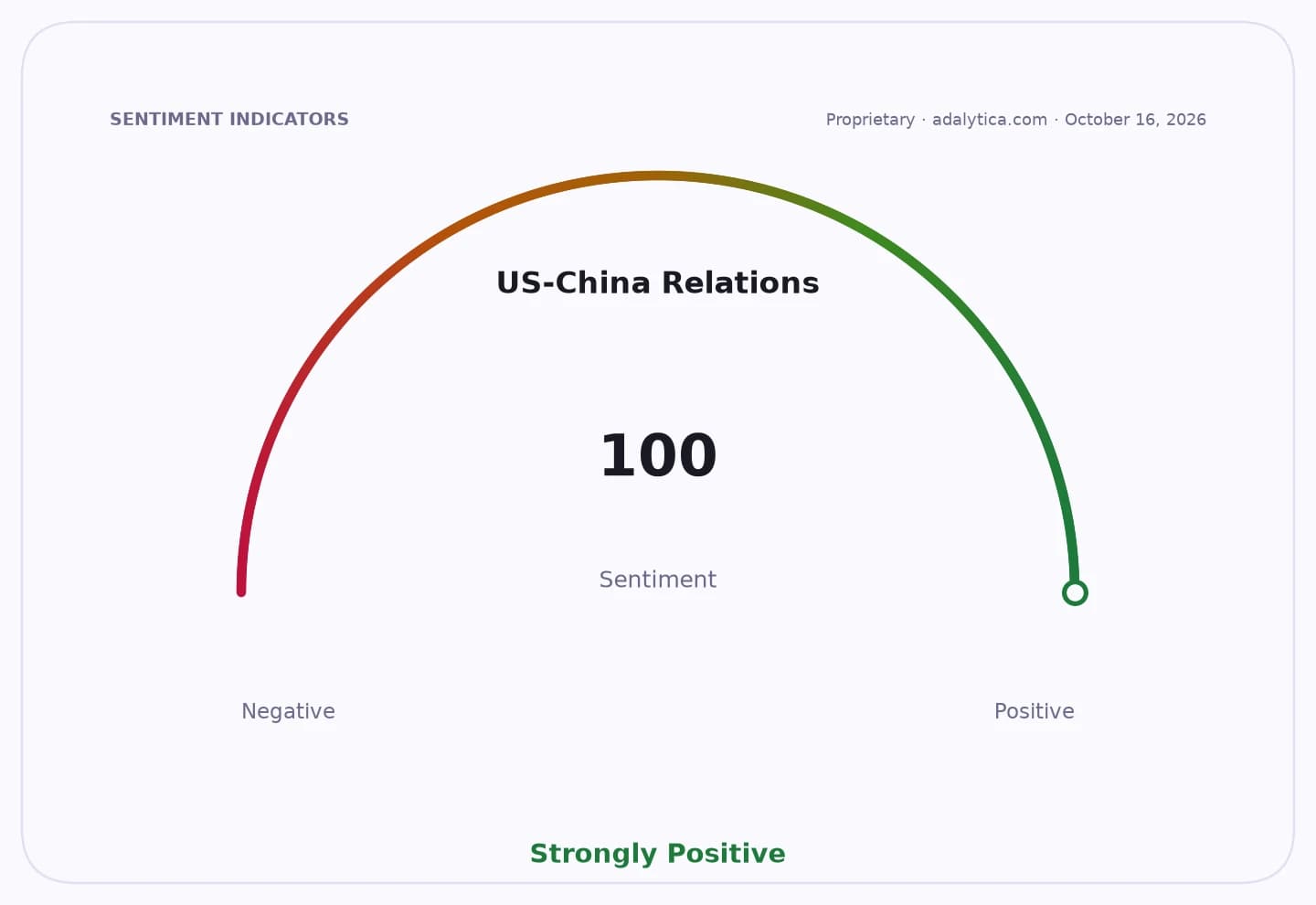
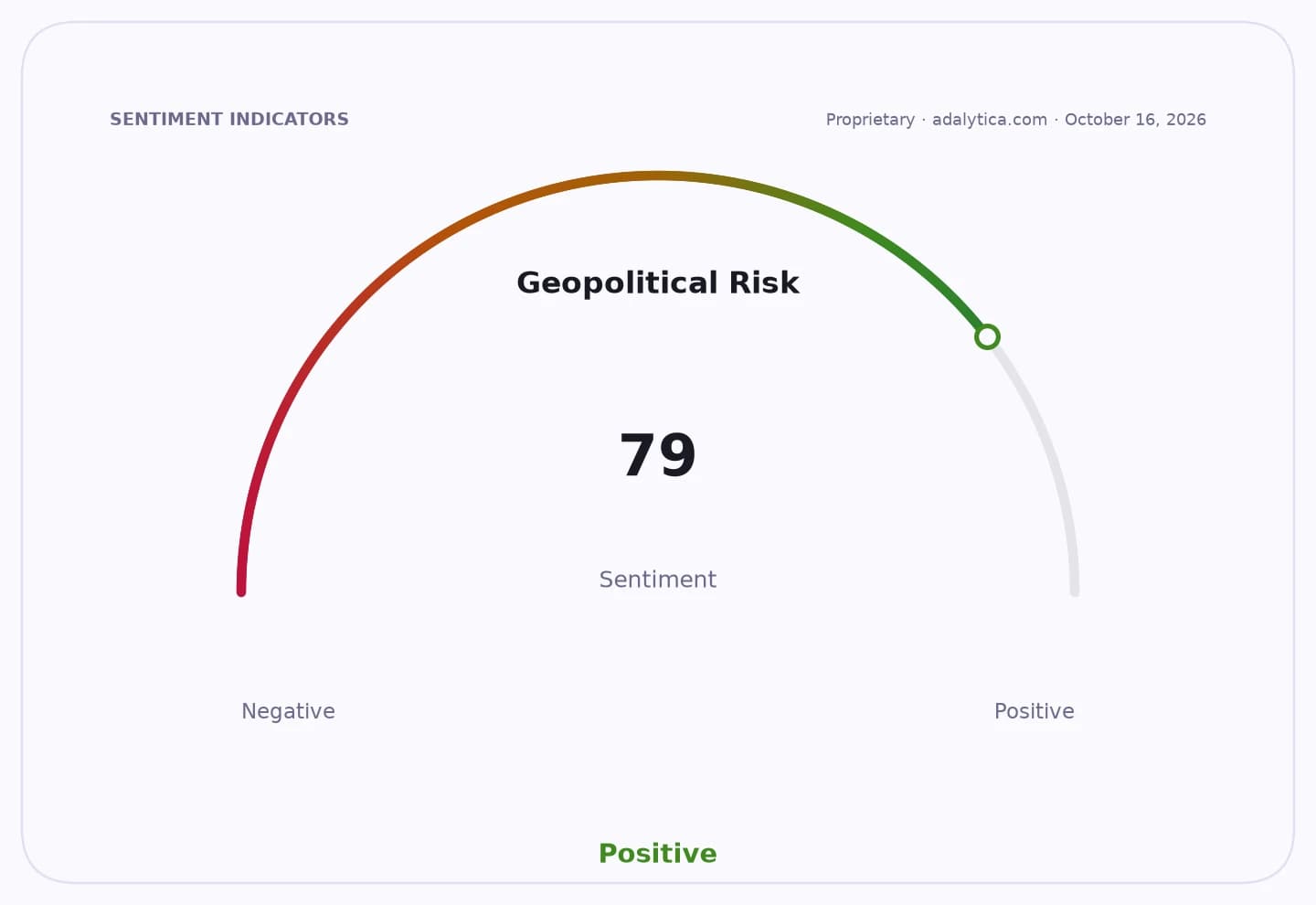
Sentiment IndicatorsⓘProprietary · adalytica.com · October 17, 2026
This is a snapshot — live sentiment, awareness and momentum for 130+ markets update continuously in the dashboard.Open AlphaPulse
That is particularly relevant for the East Coast Rail Link, one of Malaysia’s flagship China-linked projects, and for the electric vehicle sector, where access to engineering expertise, production processes and component knowledge could accelerate the country’s push to build a domestic EV ecosystem rather than remain a market for imported finished products.
For Malaysia, the upside is a more balanced development model. If Chinese firms share technical standards, operating systems and training, domestic contractors, engineers and suppliers can move up the learning curve faster. That matters for jobs, vendor development and the long-term competitiveness of sectors tied to transport, advanced manufacturing and clean mobility.
For Beijing, the push is also strategic. China has sought to preserve commercial ties in Southeast Asia even as trade and technology frictions with the US intensify. Deepening cooperation with Malaysia helps Chinese companies secure market access, strengthen regional influence and showcase a partnership model built on industrial cooperation rather than financing alone.
Investors will watch whether the rhetoric turns into binding commitments. Technology transfer is often promised, but the economic benefit depends on how much intellectual property, training and local procurement actually flow into projects. If Malaysia can secure more local content and skills development, beneficiaries could include contractors, industrial suppliers and EV-related manufacturers. If the talks remain limited to broad goodwill, the gains may stay concentrated among foreign project sponsors and financiers.
The timing also matters. Global investors are increasingly sensitive to how countries position themselves inside the China supply chain as governments diversify sourcing and tighten scrutiny over strategic technologies. A stronger Malaysia-China industrial relationship could support sectors tied to infrastructure and electrification, but it may also require careful management of geopolitical risk if it is seen as pulling Malaysia closer to Beijing at a time of sharper great-power competition.
The near-term test will be whether the two sides convert the latest dialogue into project-specific arrangements, training programs and local sourcing targets. That will determine whether Malaysia gets a genuine transfer of capability — or just another round of headline investment.
| Entity | Gains | Losses |
|---|---|---|
| Malaysia | ▲Skills, local capability | ▼Reliance on imports |
| China | ▲Market access, influence | ▼Limited control if IP shared |
| ECRL contractors | ▲More work scope | ▼Lower foreign-only capture |
| EV local suppliers | ▲Technology spillovers | ▼Foreign incumbents |