Malaysia is preparing to unveil two major China-linked projects, a move that could deepen Beijing’s financial and industrial footprint in Southeast Asia and unlock funding for other large Malaysian infrastructure plans.
Malaysia to announce China-linked projects, funding talks
Deputy Prime Minister Ahmad Zahid Hamidi said the projects were discussed in Beijing with Chinese Vice-Premier Ding Xuexiang and that Prime Minister Anwar Ibrahim would make the formal announcement. He declined to identify them, but said China was also ready to consider financing additional Malaysian projects through China Exim Bank beyond the East Coast Rail Link, suggesting the discussions go well past diplomatic symbolism and into hard capital commitments.
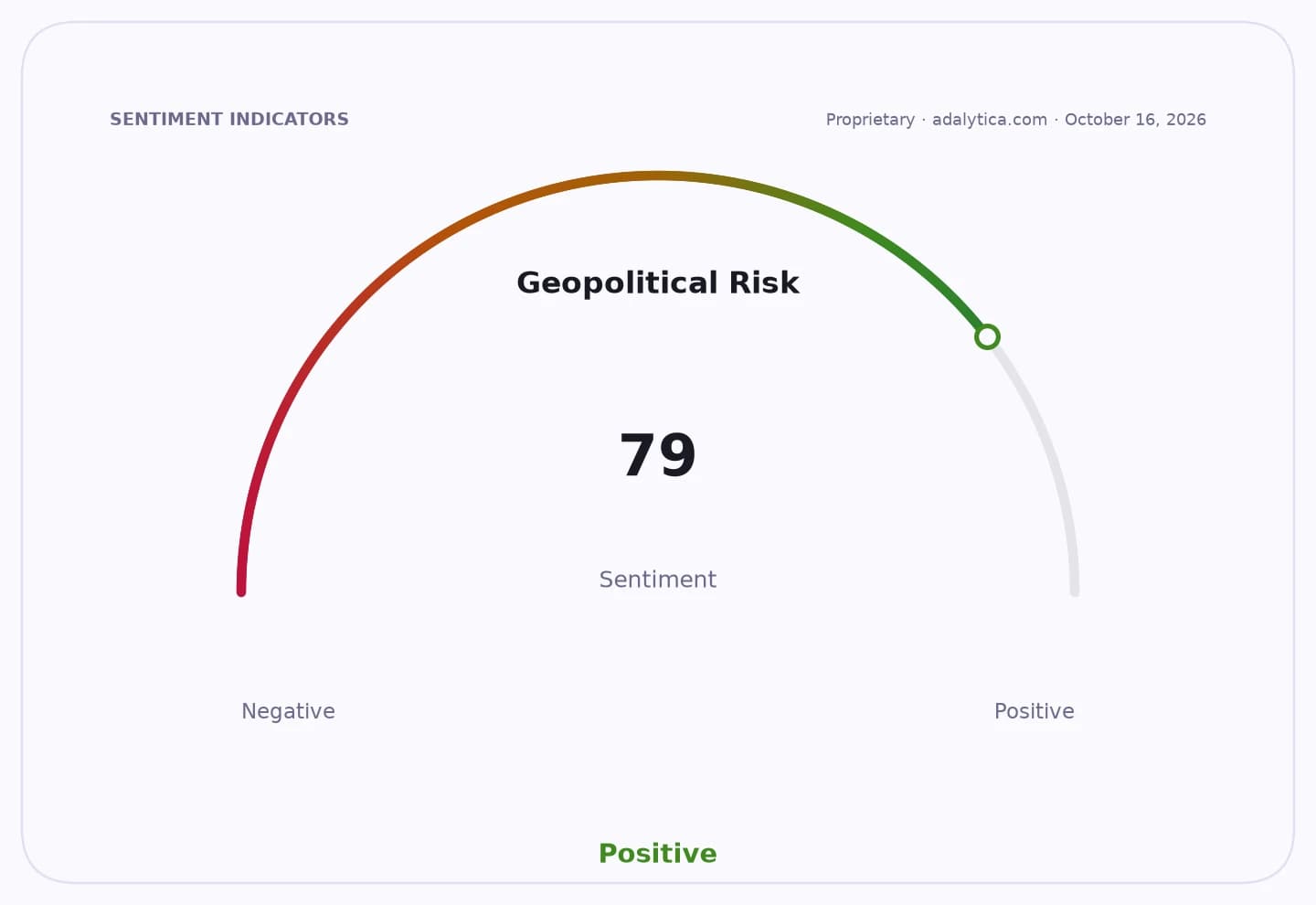
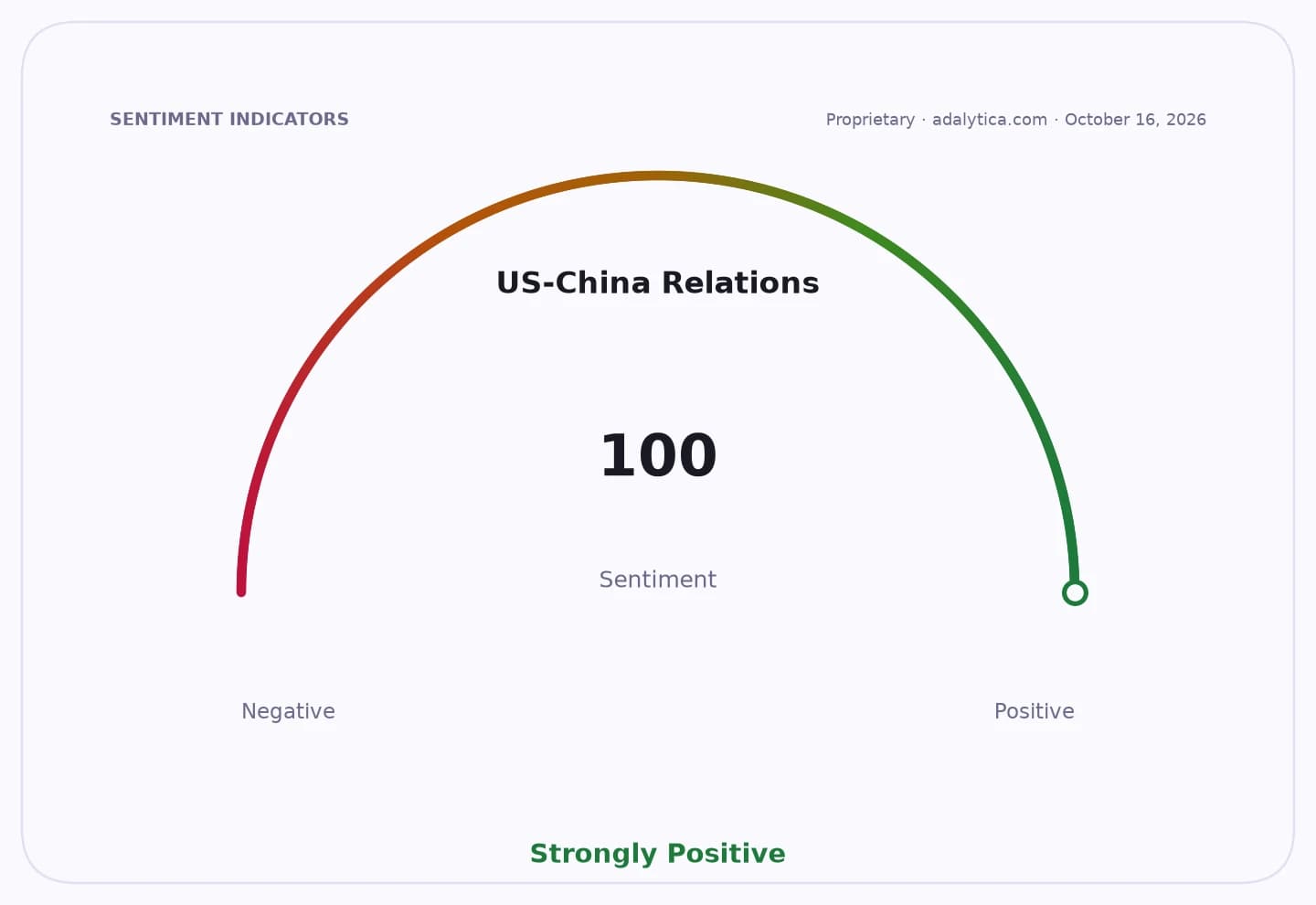
Sentiment IndicatorsⓘProprietary · adalytica.com · October 16, 2026
This is a snapshot — live sentiment, awareness and momentum for 130+ markets update continuously in the dashboard.Open AlphaPulse
For Malaysia, that matters because access to Chinese financing can shape which transport, energy and industrial projects get built, and on what terms. The ECRL has already been one of the country’s most politically sensitive and capital-intensive developments, backed by government guarantees. A broader financing channel from China would ease pressure on Kuala Lumpur’s balance sheet, but it would also increase Malaysia’s exposure to Chinese lenders and contractors at a time when many emerging markets are trying to diversify funding sources.
The talks also point to a more transactional phase in Malaysia-China ties, with technology transfer and knowledge-sharing now part of the agenda. Zahid said both sides discussed cooperation in electric vehicles, an area where China has built global scale and Malaysia wants to attract higher-value manufacturing rather than just financing. That makes the announcement potentially relevant not only for infrastructure but for industrial policy, local supply chains and job creation.
Investors are likely to read the coming disclosure through several lenses. Chinese construction, rail and industrial names could benefit if new work follows. Malaysian sovereign and quasi-sovereign credit may also gain from any concessional financing or government-backed project structure, though the upside would be tempered if guarantees expand contingent liabilities. For equity markets, the more immediate impact may be on Malaysia-linked infrastructure plays and China-sensitive proxies such as the FXI China ETF, while broader China sentiment remains supported by signs of renewed outward engagement.
The timing is also notable. Anwar is expected to visit China next month for the Apec summit, giving both sides a political window to turn preliminary discussions into signed commitments. If the projects are large enough to materially affect Malaysia’s investment pipeline, they could provide a near-term boost to domestic demand and construction activity, but they will also invite scrutiny over financing terms, execution risk and the strategic balance between Malaysia’s economic openness and its dependence on Chinese capital.
| Entity | Gains | Losses |
|---|---|---|
| Malaysia government | ▲More project financing | ▼Higher contingent liabilities |
| China Exim Bank / Chinese lenders | ▲New lending pipeline | ▼More credit exposure |
| Chinese contractors / EV firms | ▲Potential project wins | ▼Less if terms stall |
| Malaysian taxpayers / rivals | ▲Economic spillovers | ▼Debt burden and policy risks |