Singapore is moving toward a shared artificial intelligence system that would let banks spot scam-linked transactions earlier, a policy shift aimed at reducing losses in one of Asia’s most digitally connected financial centers.
Singapore MAS plans shared AI scam detection platform

The Monetary Authority of Singapore plans to begin a study early next year to develop the blueprint for the platform, which would allow participating lenders to compare suspicious activity across institutions instead of relying on each bank’s internal monitoring alone. That matters because scams increasingly move money quickly across multiple accounts and banks, making isolated defenses less effective and raising the cost of fraud for both consumers and lenders.
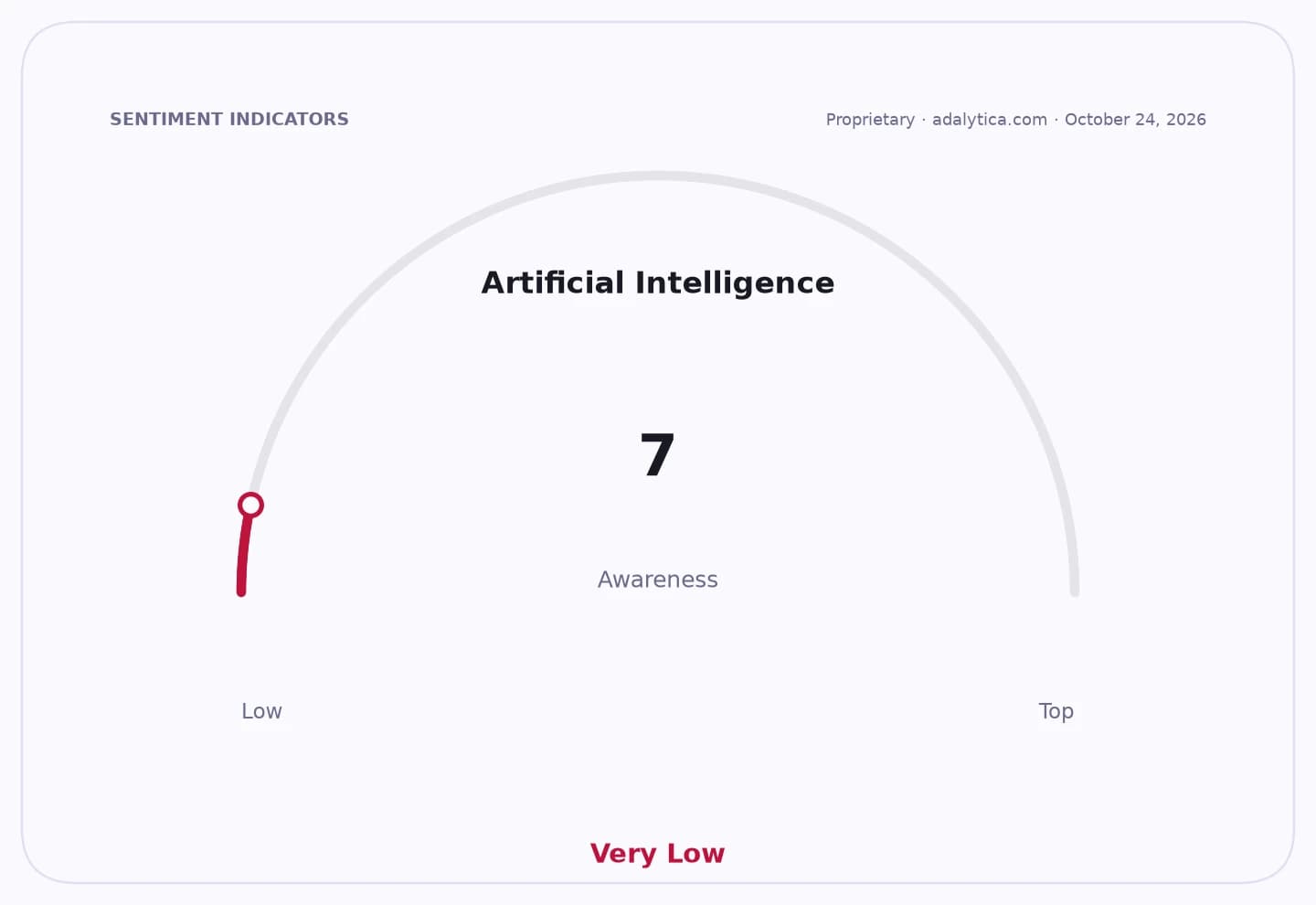
Sentiment Indicators
For Singapore, the proposal is a recognition that scam prevention has become a system-level issue, not just a compliance task for individual banks. An industry-wide model could improve detection rates, shorten response times and potentially reduce reimbursement and investigation costs. It would also fit Singapore’s broader effort to preserve trust in its banking system, a key advantage for a country that markets itself as a regional wealth and payments hub.
For investors, the immediate relevance is to Singapore’s large lenders, which have been under pressure to harden fraud controls without slowing customer payments. DBS, OCBC and UOB would likely be among the main beneficiaries if a shared platform lowers the burden of building and maintaining separate detection tools. Banks and payments firms with stronger data infrastructure and AI capabilities would also be better placed if the blueprint evolves into a mandatory or widely adopted standard.
The backdrop is a global surge in scam sophistication, with criminals using faster payment rails, social engineering and account takeovers to move funds before victims or banks can react. Financial institutions are already spending more on cybersecurity, transaction monitoring and behavioral analytics, and the use of AI has become central to that effort. But AI also raises the stakes: the same tools that help institutions flag suspicious activity can also be used by fraudsters to make attacks more convincing and scalable.
The policy angle is important because a shared system could help overcome a classic banking problem: no single lender sees the full picture. If properly governed, pooled intelligence can reveal patterns that are invisible at the firm level, including repeat mule accounts and coordinated laundering networks. The main risk is execution. Such a platform would need strict rules around data sharing, privacy, liability and model governance to avoid false positives, regulatory disputes or operational bottlenecks.
For banks, the near-term trade-off is clear: higher upfront investment in data integration and AI infrastructure, but potentially lower fraud losses over time and stronger customer confidence. For regulators, the project would test whether Singapore can extend its reputation for clean and efficient financial plumbing into a more automated era of fraud defense.
If the blueprint proves workable, it could become a template for other financial centers facing the same problem: faster scams, fragmented defenses and growing pressure on banks to stop losses before money disappears.
| Entity | Gains | Losses |
|---|---|---|
| Singapore banks | ▲Better fraud detection | ▼Higher integration costs |
| Consumers | ▲Fewer scam losses | ▼More transaction friction |
| MAS / regulators | ▲Stronger system resilience | ▼Greater oversight burden |
| Scam networks | ▲Tighter surveillance | ▼Easier detection of patterns |