Bangladesh’s dependence on imported fertilizer is leaving its food inflation and poverty outlook exposed to another shock in global supply.
Bangladesh fertilizer imports raise rice inflation risk

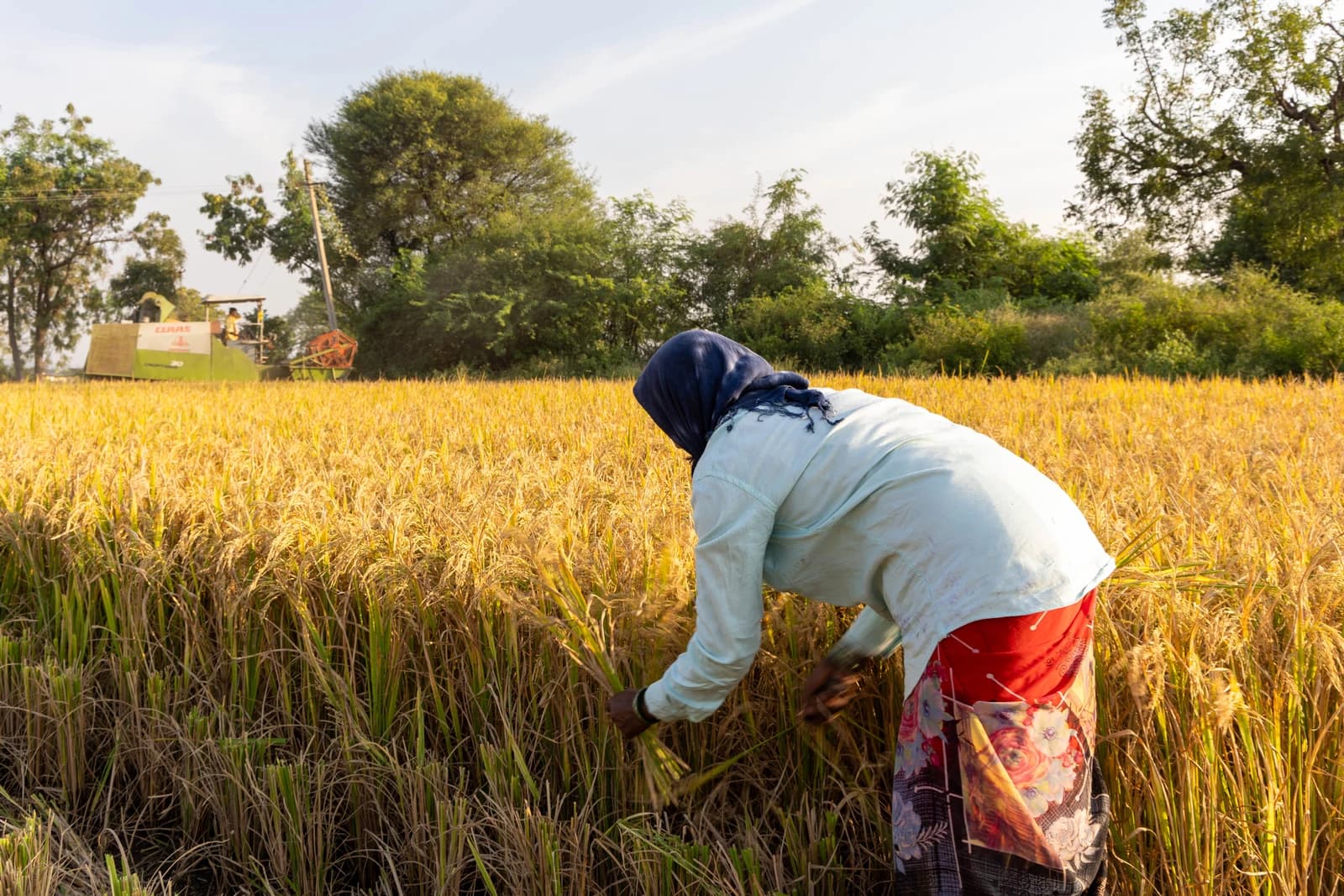
The country needs about 6.6 million tons of fertilizer a year, with roughly three-quarters used in rice cultivation and more than 85% of demand met through imports. That makes Bangladesh highly vulnerable when fertilizer markets tighten because of conflict, energy disruptions or logistics bottlenecks. In a country where rice is the main staple, even a 10% increase in rice prices could push 1.4 million people into poverty, according to the seed figures underpinning the warning.
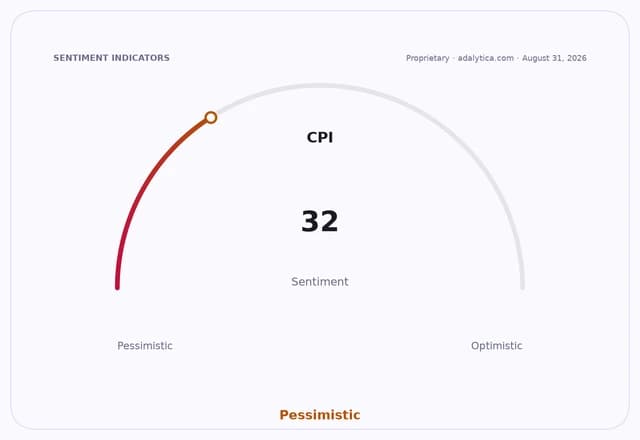
Sentiment IndicatorsⓘProprietary · adalytica.com · August 31, 2026
This is a snapshot — live sentiment, awareness and momentum for 130+ markets update continuously in the dashboard.Open AlphaPulse

The economic risk is bigger than a single input-price spike. Fertilizer costs feed directly into farm profitability, planting decisions and yields, especially for rice, which anchors both household consumption and rural incomes. If farmers cut application rates to manage costs, output can slip, forcing the government to confront a harder choice between higher import bills, subsidies and rising consumer prices. For a low- and middle-income economy such as Bangladesh, that is a classic inflation-poverty transmission channel: weaker real incomes, more pressure on food budgets and potentially more fiscal support for agriculture.
The issue also fits a broader global pattern. Fertilizer markets have been unsettled by the war in Ukraine, Middle East tensions, heat, drought and shipping disruptions, while energy prices remain a key driver of nitrogen costs. Reuters-linked filings from fertilizer producer CF Industries noted that Middle East disruptions have curtailed nitrogen supply for import-dependent countries including India, Pakistan and Bangladesh. That matters because Bangladesh’s reliance on imports leaves it unable to absorb external shocks through domestic production alone.
For investors, the story cuts two ways. Fertilizer producers such as CF Industries and Nutrien benefit when tight markets lift selling prices and margins, and their shares have already reflected that during recent swings in gas and fertilizer prices. But the bear case is that stronger prices can trigger political scrutiny, export controls or subsidy interventions, particularly in food-sensitive markets. For agricultural equipment and downstream food businesses, higher fertilizer costs can weigh on farmer demand and crop economics.
Bangladesh’s policy response will be critical. If officials move to secure supplies early, expand subsidies or tighten procurement, they may cushion rice inflation in the near term but deepen fiscal pressure. If they fail to do so, the pain is likely to show up first in rural household spending, then in broader consumer prices and poverty indicators. Investors in global fertilizer and agribusiness stocks should watch import availability, natural gas prices and any government action to cap retail fertilizer costs.
| Entity | Gains | Losses |
|---|---|---|
| Fertilizer producers | ▲Higher selling prices | ▼Political scrutiny |
| Bangladesh farmers | ▲Subsidy support | ▼Input cost pressure |
| Rice consumers | ▲Price caps | ▼Food inflation |
| Import-dependent economies | ▲Emergency supply deals | ▼Supply shocks |