Millions of Bangladeshis working abroad sent home nearly $6 billion in July and August, giving the country a stronger foreign-exchange cushion at a time when investors are still watching external financing, import costs and currency stability closely.
Bangladesh remittances rise to nearly $6 billion

That matters because remittances are one of Bangladesh’s most reliable sources of hard currency. When those inflows rise, the central bank has more room to support the taka, pay for imports and reduce pressure on reserves without leaning as heavily on short-term borrowing or volatile capital flows.
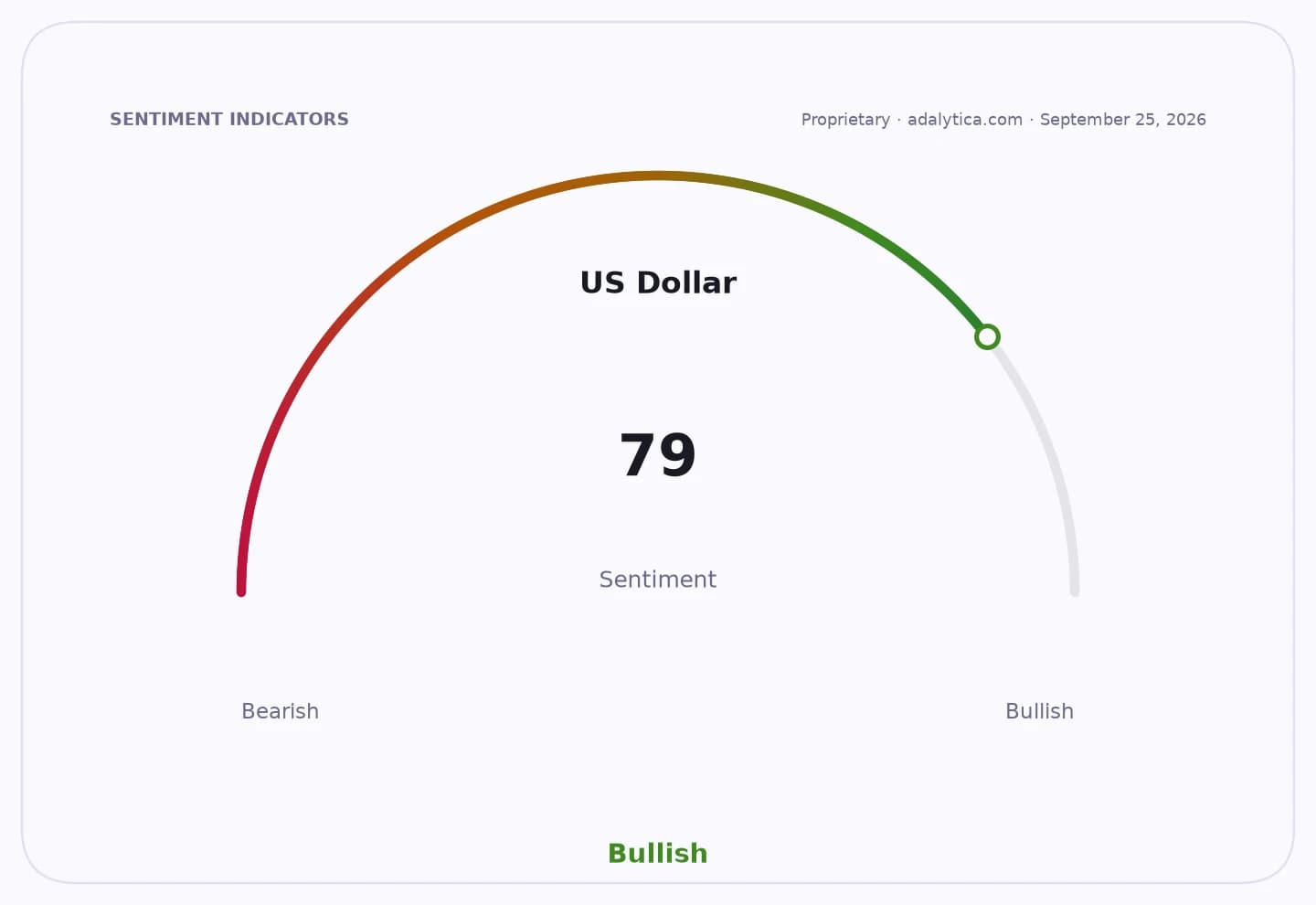
Sentiment IndicatorsⓘProprietary · adalytica.com · September 6, 2026
This is a snapshot — live sentiment, awareness and momentum for 130+ markets update continuously in the dashboard.Open AlphaPulse
Bangladesh Bank said remittances rose 22.5% year on year in August to $2.967 billion after $2.859 billion in July. For a country that depends heavily on overseas workers, that pace is more than a seasonal boost — it is a sign that household cash transfers remain a powerful stabilizer for the broader economy.
The money is flowing largely from the Middle East, especially the UAE, Saudi Arabia and Kuwait, underscoring how closely Bangladesh’s economy is tied to labor demand in the Gulf. For years, investors have treated those remittance corridors as an economic backstop: they support consumption at home, help narrow external imbalances and soften the blow when trade or foreign investment weakens.
The latest figures also fit a bigger trend. Bangladesh Bank said remittances hit an all-time high of more than $35 billion in fiscal 2025-26. That is economically important because those inflows can do more than simply pad household incomes. They can shore up bank deposits, support domestic spending and give policymakers a little more breathing room as they manage inflation, exchange-rate pressure and external financing needs.
For investors, the takeaway is straightforward: stronger remittances improve Bangladesh’s near-term macro resilience. That does not solve every challenge — import demand, energy costs and broader growth conditions still matter — but it does reduce the odds of a sharp balance-of-payments squeeze. In a country where foreign-currency liquidity can quickly become a market-moving issue, that is a meaningful positive.
The key question now is whether this strength is sustainable through the rest of the fiscal year. If overseas employment remains firm and remittance channels stay efficient, Bangladesh’s external position should keep improving. For long-term investors, that makes the country’s FX outlook, banking system and consumer economy worth watching closely.
| Entity | Gains | Losses |
|---|---|---|
| Bangladesh households | ▲More income support | ▼None immediately |
| Bangladesh Bank | ▲Stronger FX buffer | ▼Less urgency to intervene |
| Taka | ▲Support from hard currency inflows | ▼Pressure from import demand |
| Importers | ▲Indirect benefit from stability | ▼Higher FX stress if inflows slow |