The Barcelona Tenants Union has taken the city council to court for failing to enforce the city’s 30% protected-housing rule on a Vandor Real Estate building, escalating a dispute that could determine how aggressively Barcelona applies one of its key anti-speculation measures.
Barcelona tenants sue over 30% housing rule

The case matters because the 30% rule is one of the few policy tools the city has to force private redevelopment to produce affordable units without public spending. If the courts back the tenants’ group, the ruling could make it harder for landlords to reclassify large refurbishments as minor works and could compel Barcelona to open enforcement files more quickly, a direct risk for owners betting on renovation-led turnover strategies.
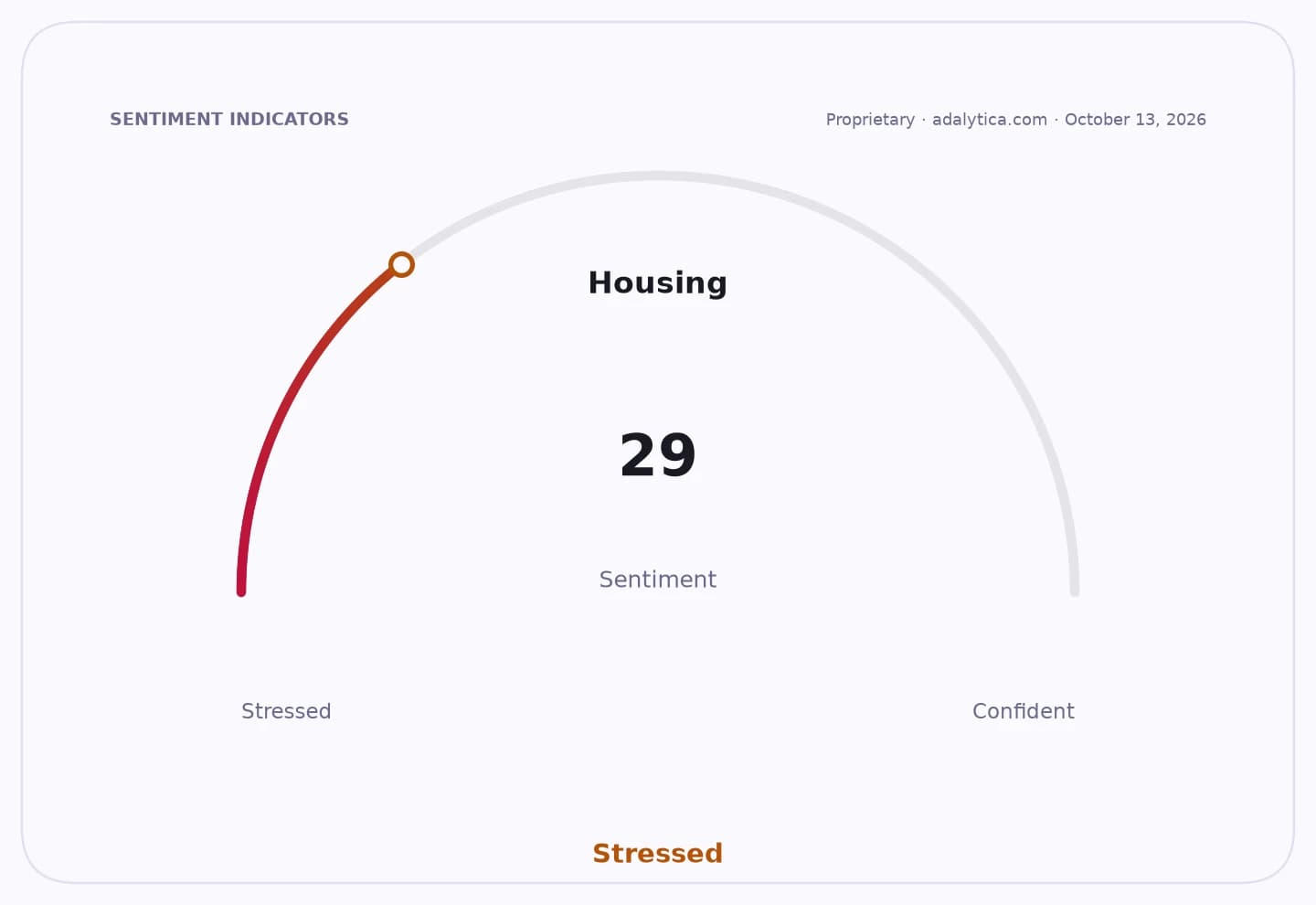
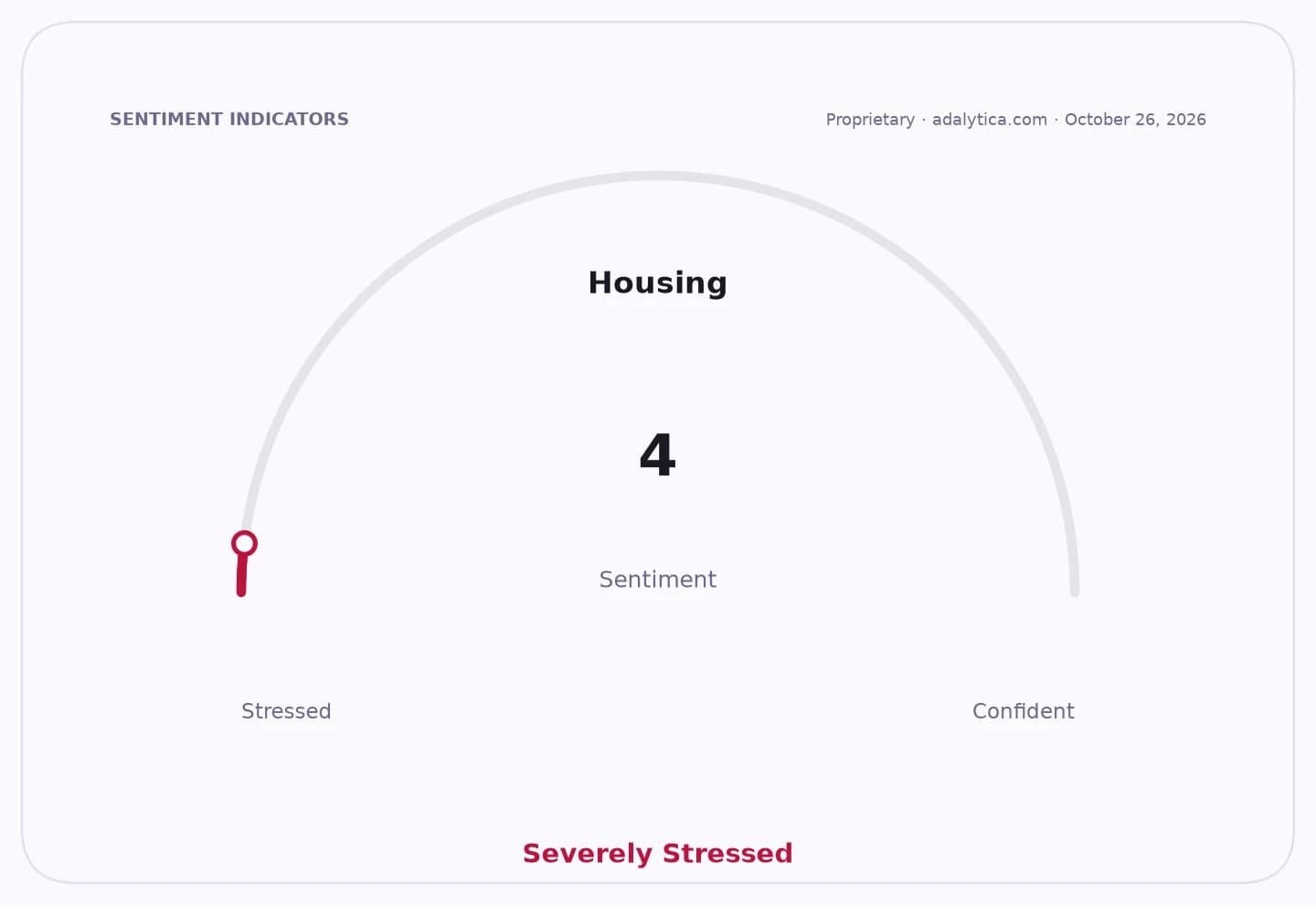
Sentiment Indicators

In the case of Consell de Cent, 538, the union says a municipal inspection concluded in February 2026 that the works amounted to a major rehabilitation and should trigger the 30% obligation. That would mean eight protected apartments in the 28-unit building. Vandor, according to the union, refurbished 15 homes through procedures meant for minor works, including 13 in 2023 and two more this year. The group says the city failed to respond to a March request to open a legal-protection file, prompting the administrative court action.
The union is now preparing two more challenges against Vandor, targeting buildings on Rocafort, 219, and Nàpols, 206. It says municipal inspections in February also found those projects met the threshold for the rule, which would translate into four protected homes at Rocafort and two at Nàpols. A fourth case, at Entença, 69, has been stuck in the appeals process for three years despite a previous municipal decision that the rule applies there as well.
Taken together, the union says applying the rule across the four buildings would add 17 protected apartments in Barcelona without public investment. That estimate is modest relative to the city’s housing shortage, but it is politically important because it shows how much affordable stock can be extracted from existing private transactions if the city enforces the ordinance consistently.
For Vandor, the dispute is about more than one building. The union says the company controls 13 properties and 236 homes in Barcelona and has used renovations to displace tenants and convert flats into coliving units, often aimed at international students. If courts accept that pattern as a major rehabilitation, the company’s growth strategy in the city could face legal and financial friction, including delayed projects, forced affordability set-asides and greater scrutiny of future acquisitions.
The wider backdrop is a city under intense housing strain. Barcelona has seen mass protests over rents and affordability, and political tolerance for investment models seen as accelerating tenant displacement is low. That makes the 30% rule not just a planning regulation but a test of whether local authorities can translate public anger into enforceable policy. For investors in Barcelona residential property, the key question is less whether the rule exists than whether the council will apply it when ownership changes and refurbishments are used to reshape buildings.
If the court compels the city to act, it could strengthen tenant groups’ hand in similar cases and raise compliance costs for landlords across the city. If the council’s inaction stands, it would reinforce the view that Barcelona’s affordability rules remain vulnerable to delay, appeals and uneven enforcement — a result likely to keep tensions high in one of Spain’s most contested housing markets.
| Entity | Gains | Losses |
|---|---|---|
| Barcelona tenants | ▲More protected housing | ▼Tenant displacement |
| Vandor Real Estate | ▲Faster asset repositioning | ▼Legal scrutiny and set-asides |
| Barcelona City Council | ▲Less immediate enforcement burden | ▼Credibility on housing rules |
| Future affordable-housing seekers | ▲Potential new protected units | ▼Speculative landlords |