California’s plan to lift tolls on seven major Bay Area bridges to as much as $10 per crossing is more than a commuter headache — it is another direct hit to transportation costs that can work its way into consumer prices across the region.
Bay Area bridge tolls rise to $10 in 2027
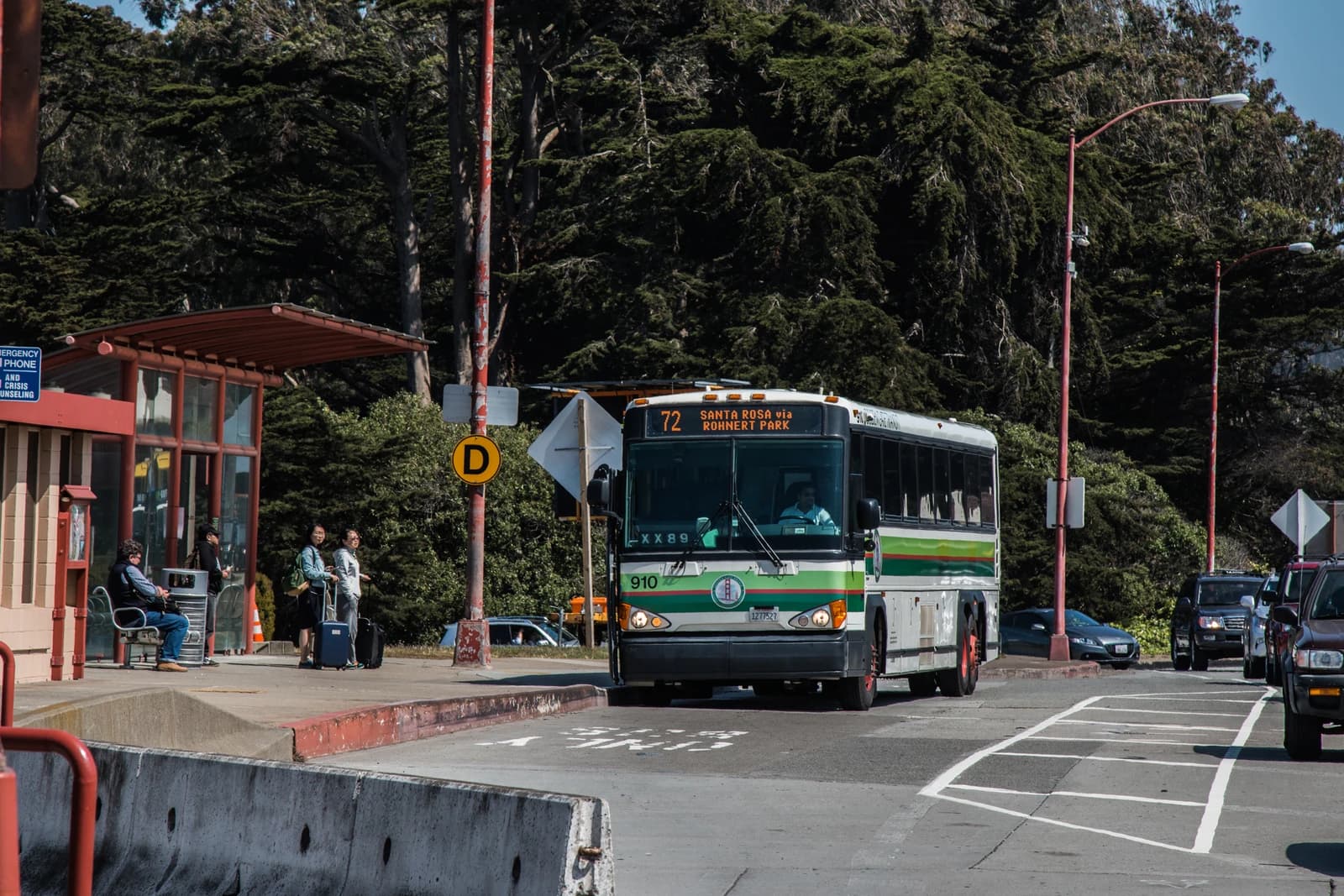
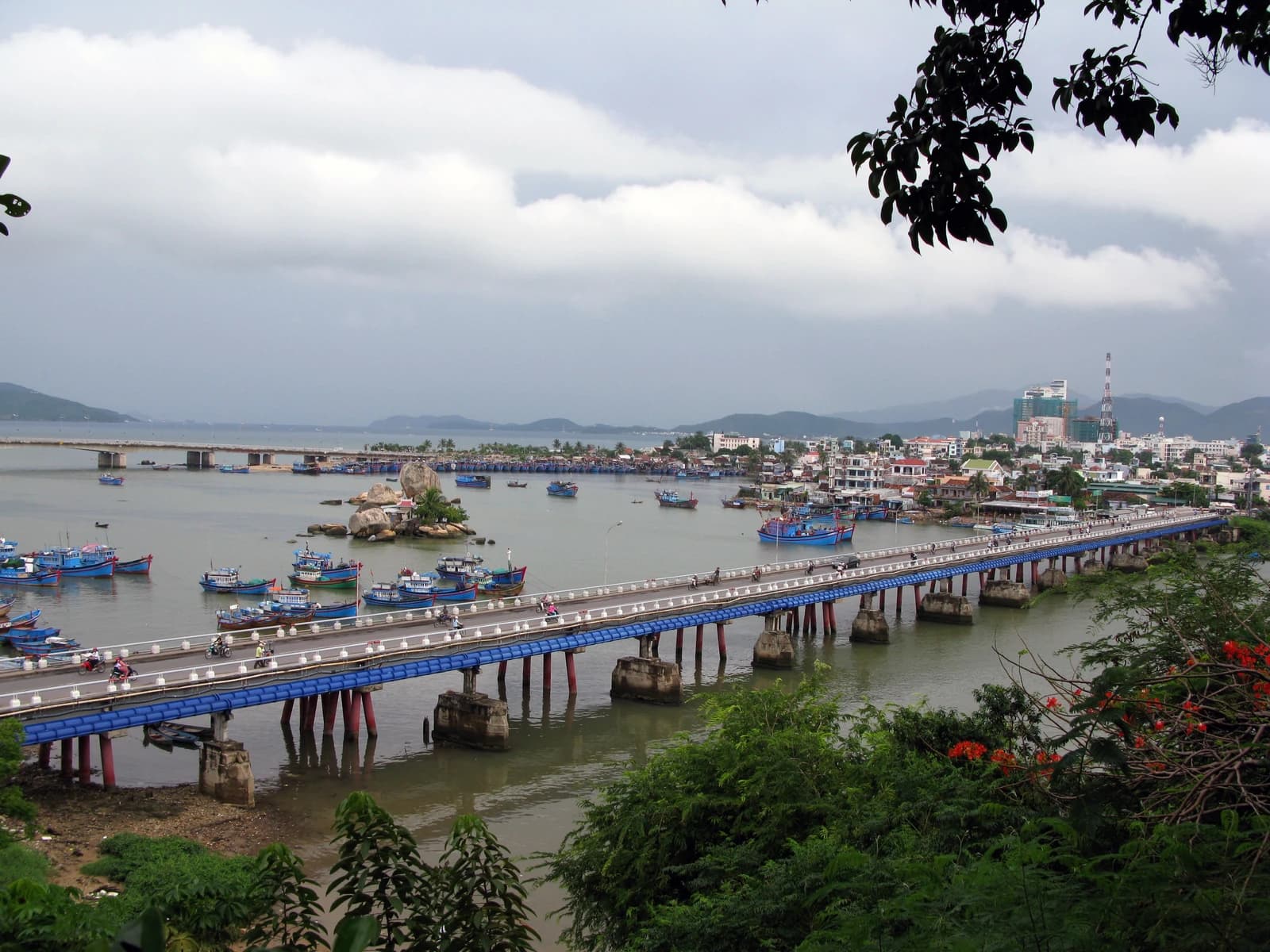
Starting Jan. 1, 2027, drivers with a FasTrak tag will pay $9 on the San Francisco-Oakland Bay, Antioch, Benicia-Martinez, Carquinez, Dumbarton, Richmond-San Rafael and San Mateo-Hayward bridges, while mailed invoices will cost $10, according to Bay Area FasTrak. The Bay Area Toll Authority says the higher rates are needed to keep aging bridges structurally sound, with the money earmarked for maintenance, repairs and operations.
The economics are straightforward: higher tolls are a tax on mobility, and in a supply chain-heavy economy like the Bay Area, they do not stop with the driver. Delivery trucks and multi-axle vehicles will face larger toll bills too, and those added costs can be passed along through freight rates, restaurant supply orders, grocery deliveries and local retail pricing. That is why a bridge toll increase, while small on paper, can become an inflationary pressure point in practice.
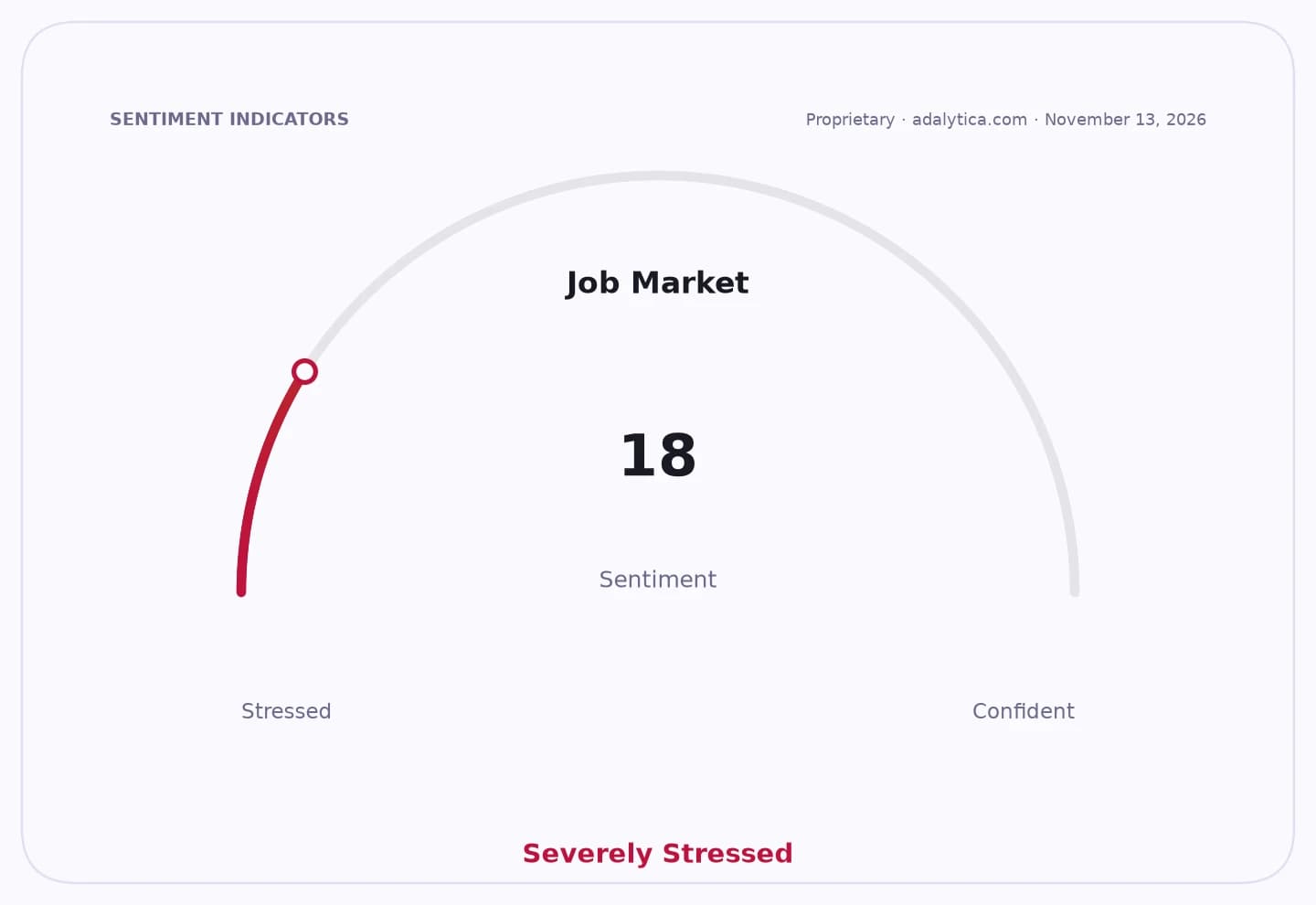
The rollout also matters because it lands in an economy still sensitive to cost-of-living pressure. Even before the new rates take effect, a regular commuter paying the FasTrak rate five days a week would spend $45 a week just on bridge crossings. The authority’s decision to phase in five annual increases through 2030, rather than impose a one-time jump, signals that the toll burden is set to keep rising, with FasTrak rates scheduled to reach $10.50 and mailed invoices $11.50 by 2030.
For investors, the real issue is second-order impact. Toll hikes may not move markets on their own, but they reinforce the case for companies that can absorb, bypass or monetize higher logistics costs. That favors freight operators with pricing power and efficient networks, while hurting margin-sensitive shippers and local businesses that cannot easily reprice. It also underscores why infrastructure spending remains a durable theme: aging assets need constant funding, and the cost of maintaining them is increasingly being pushed onto end users.
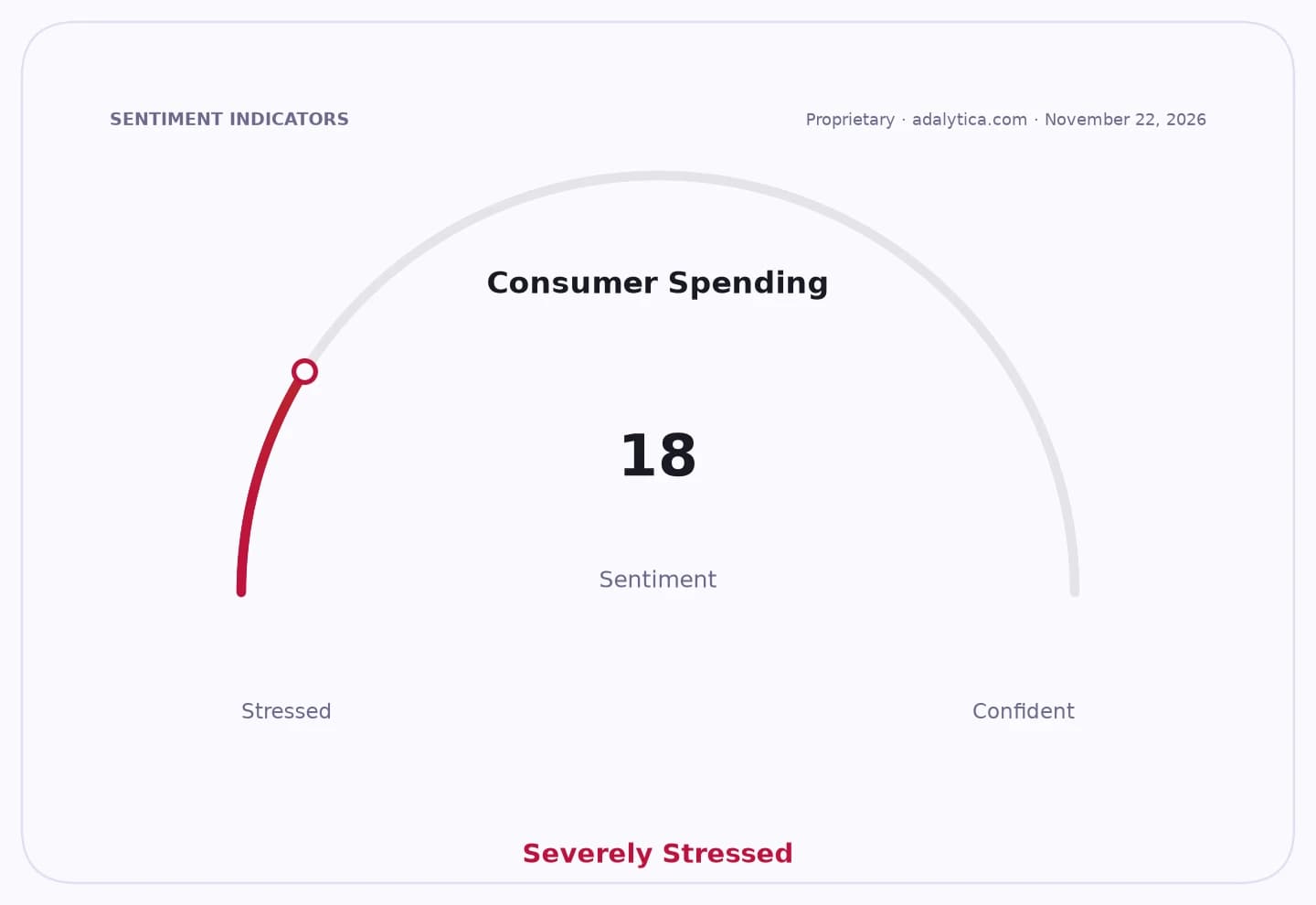
The market is also getting a reminder that transportation inflation can stay sticky even when headline price pressures ease elsewhere. As bridge fees rise, the burden falls on commuters, freight carriers and ultimately consumers — a small policy shift with a wide economic footprint. In California, the toll road to higher costs is becoming clearer.
| Entity | Gains | Losses |
|---|---|---|
| Bay Area Toll Authority | ▲More maintenance funding | ▼Public backlash |
| FasTrak users | ▲Lower rate than invoice payers | ▼Higher commute costs |
| Freight carriers and local businesses | ▲None | ▼Higher operating and delivery costs |
| Consumers in the Bay Area | ▲None | ▼Pass-through price increases |