Khánh Hòa’s decision to spend more than 809 billion dong on a new Phu Kiểng bridge matters because it replaces a fragile, privately built wooden crossing that has long disrupted daily life for more than 2,000 households on both banks of the Cái River. For investors and local planners, the project is another reminder that Vietnam’s infrastructure buildout is moving beyond headline highways and airports into the smaller links that unlock mobility, land values and economic activity in fast-growing provincial cities.
Khánh Hòa approves 809 billion dong Phu Kieng bridge
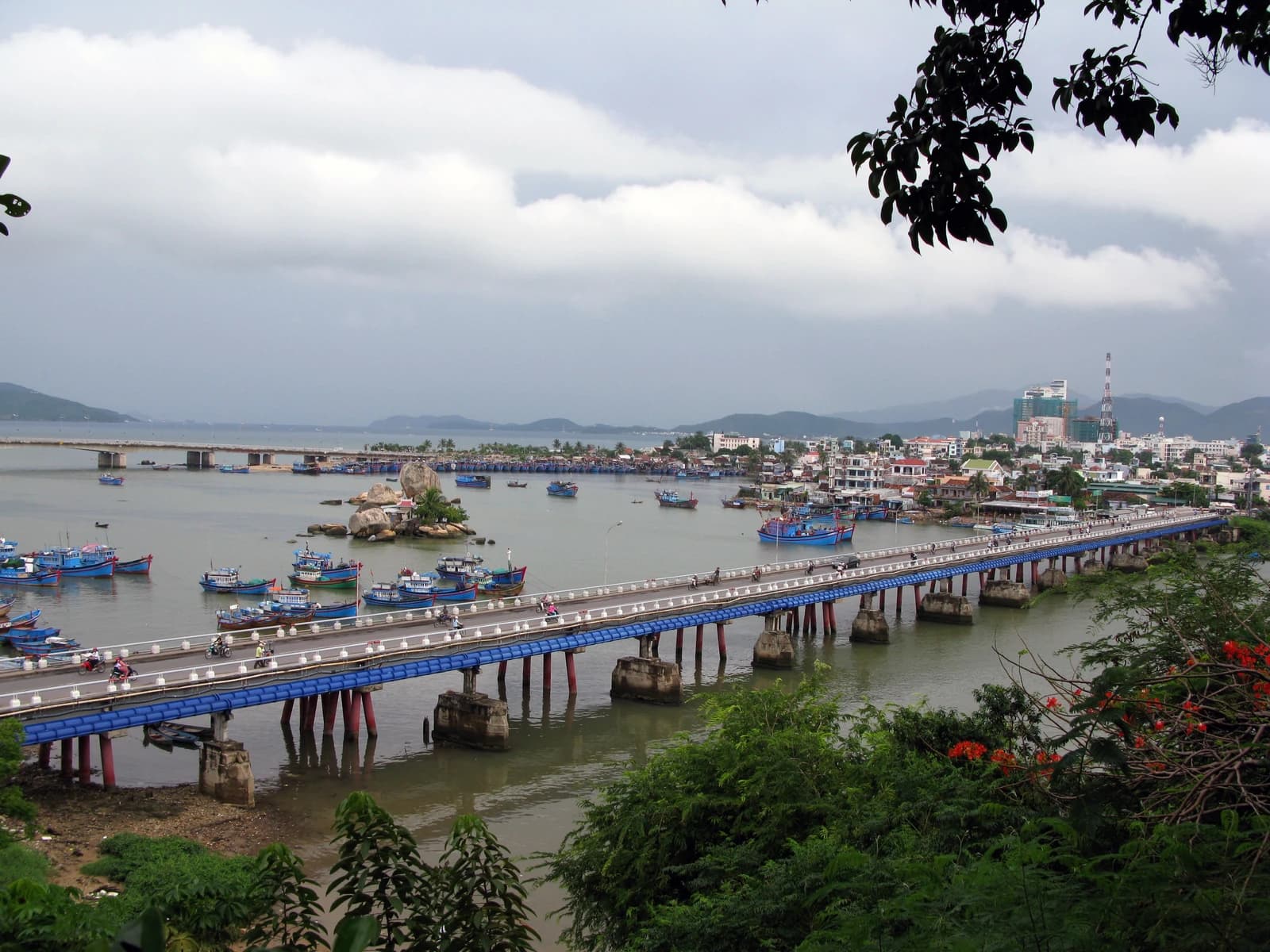
The upgrade is economically significant because unreliable transport is a hidden tax on households and businesses. Every rainy season, the old bridge has been dismantled or washed out, forcing people to take detours of 15 to 20 kilometers or cross by boat. That kind of disruption raises commuting costs, delays deliveries and makes it harder for local commerce to operate on a year-round basis. A permanent bridge, especially one designed with stronger flood resilience, should reduce those frictions and improve access to schools, services and employment across Tây Nha Trang.
The project was also scaled up materially. The revised investment of more than 809 billion dong, up from nearly 600 billion dong, suggests the province is paying for a more durable structure, broader approach roads and better drainage at the connecting interchanges. About 600 billion dong is earmarked for construction, while compensation and resettlement costs exceed 110 billion dong. For contractors and suppliers, that is a meaningful public works package; for residents, it is a long-awaited safety upgrade after years of uncertainty during flood season.
The new bridge is planned to stretch 271.2 meters, with a main span of about 200 meters and a 21-meter width, and completion is expected in 2028. Those details matter because they point to a modern, fixed crossing built to withstand the river conditions that repeatedly made the wooden bridge unreliable. In practical terms, that should improve traffic flow, cut travel times and make the area more attractive for housing and small businesses on both sides of the river.
For long-term investors, the bigger story is not just one bridge. It is the steady accumulation of provincial infrastructure that supports Vietnam’s urban expansion and domestic demand. Projects like this often do not move markets overnight, but over years they can support land development, construction activity, materials demand and municipal productivity. If Khánh Hòa keeps executing projects that make everyday movement safer and more predictable, the payoff will show up in stronger local economic activity and a better platform for private investment.
| Entity | Gains | Losses |
|---|---|---|
| Phu Kieng residents | ▲Safer year-round travel | ▼Flood-related detours |
| Khánh Hòa province | ▲Better connectivity | ▼Higher budget burden |
| Construction firms | ▲Public works revenue | ▼— |
| Wooden bridge users / toll-based crossing model | ▲— | ▼Obsolescence |