Bengaluru hotels and tea stalls are quietly lifting the price of a cup of coffee or tea by Rs 2-3 as higher input and operating costs squeeze margins, adding to a broader wave of food-and-beverage price increases in one of India’s biggest urban markets.
Bengaluru hotels raise tea and coffee prices

What looks like a small menu tweak is significant because it shows cost inflation is still working its way through everyday consumption, even after sugar prices eased from their recent spike. For regular customers, the move pushes a basic tea or coffee from about Rs 20-30 to Rs 22-33 at some outlets, while smaller stalls are raising prices from Rs 15 to as much as Rs 16-18.
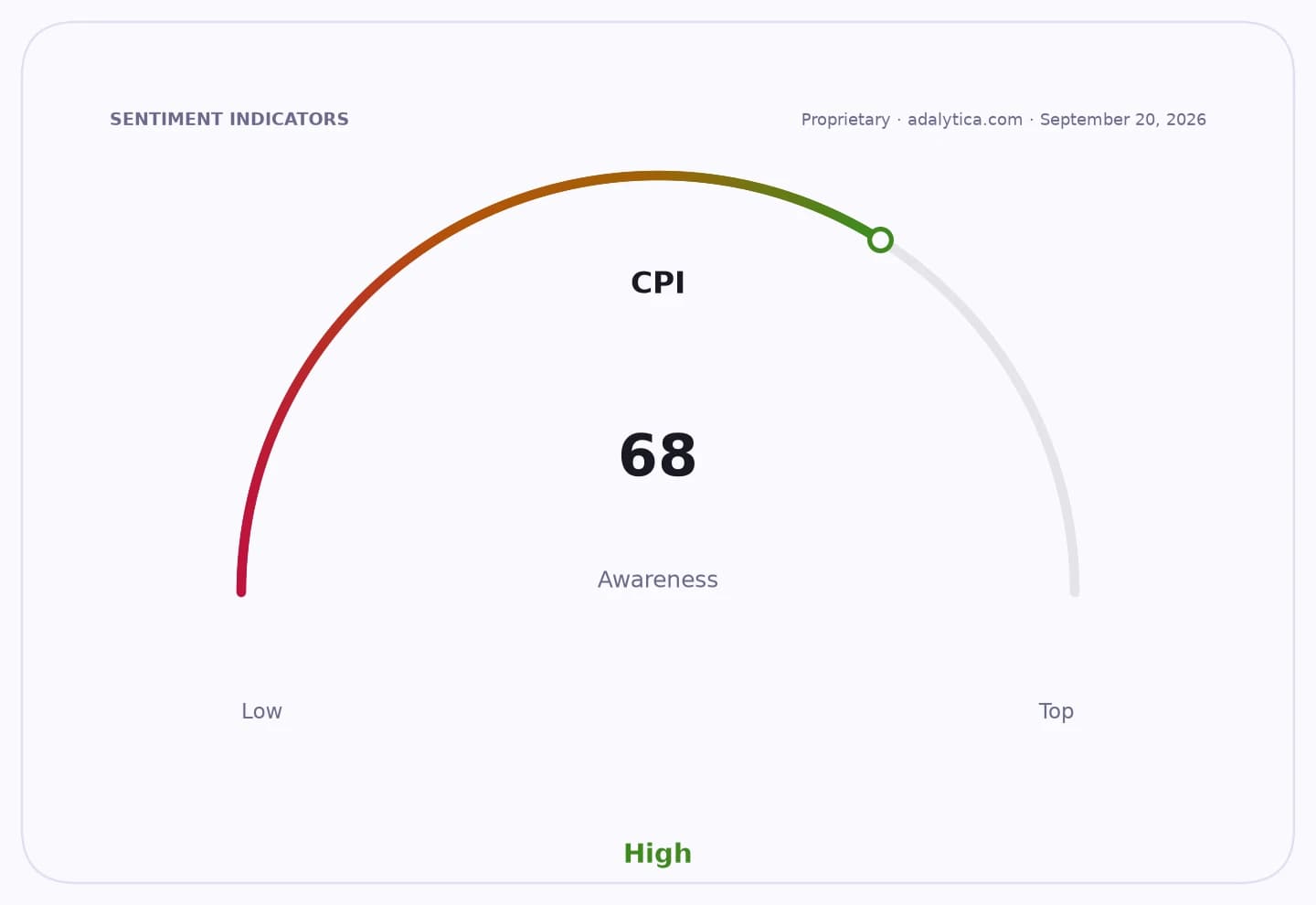
Sentiment IndicatorsⓘProprietary · adalytica.com · September 7, 2026
This is a snapshot — live sentiment, awareness and momentum for 130+ markets update continuously in the dashboard.Open AlphaPulse
Hotel owners say the increase is not being driven by sugar alone. Bangalore Hotel Owners Association president P.C. Rao said last month’s jump in sugar prices has already moderated, and that many operators are simply passing through higher rent, electricity, water and ingredient costs after holding prices down earlier.
The pressure has been building for months. Several hotels had already raised prices for snacks and meals, including masala dosa and idli-vada, after commercial LPG cylinder prices rose around three months ago. Now even routine beverages are getting repriced, underscoring how persistent cost inflation can reach consumers through the smallest purchases.
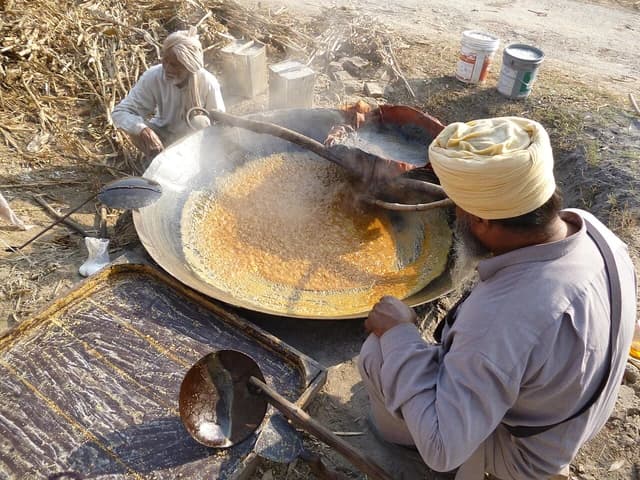
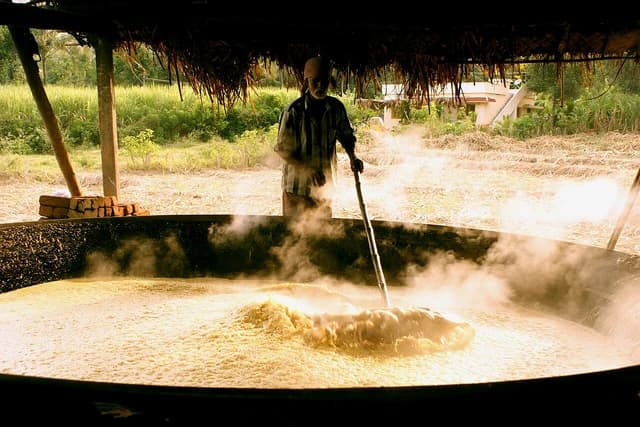
Sugar remains an important part of the story. Wholesale sugar is around Rs 55-60 per kg and retail prices have touched Rs 80 in some areas, while jaggery is around Rs 55 per kg and has seen extra demand during the Shravan festival period. The central government’s earlier move to allow sugar exports and reserve 20% of sugarcane for ethanol production helped tighten supply and lift prices.
For investors, the story matters beyond Bengaluru. It is a reminder that pricing power in consumer-facing businesses is still under pressure from commodities and utilities, but also that restaurants and coffee chains can continue to nudge prices higher when input costs rise. That is relevant for beverage and quick-service operators, including Starbucks, smaller café chains and local packaged-food sellers, all of which depend on balancing traffic against margin protection.
The immediate risk is that repeated menu hikes begin to weigh on footfall, even as inflation in essentials already stretches household budgets. With festivals, sugar demand and operating costs still in play, local hotels may have more room to raise prices again if margins tighten further.
| Entity | Gains | Losses |
|---|---|---|
| Hotel owners | ▲Protect margins | ▼Risk lower footfall |
| Consumers | ▲Little benefit from stable supply | ▼Pay more for daily beverages |
| Sugar and jaggery sellers | ▲Higher near-term demand | ▼Face price volatility |
| Beverage chains | ▲Greater pricing flexibility | ▼Higher input-cost pressure |