Sugar prices are starting to cool after a late-summer surge, as government intervention and easing supply pressure temper a rally that had pushed the sweetener sharply higher ahead of peak festival demand.
Sugar prices cool as India boosts mill quotas

The move matters because sugar is a staple input for food makers and a visible driver of household inflation in markets where demand spikes seasonally. When prices run hot, they squeeze confectionery, beverage and packaged-food margins first, then filter through to consumers already facing higher living costs.
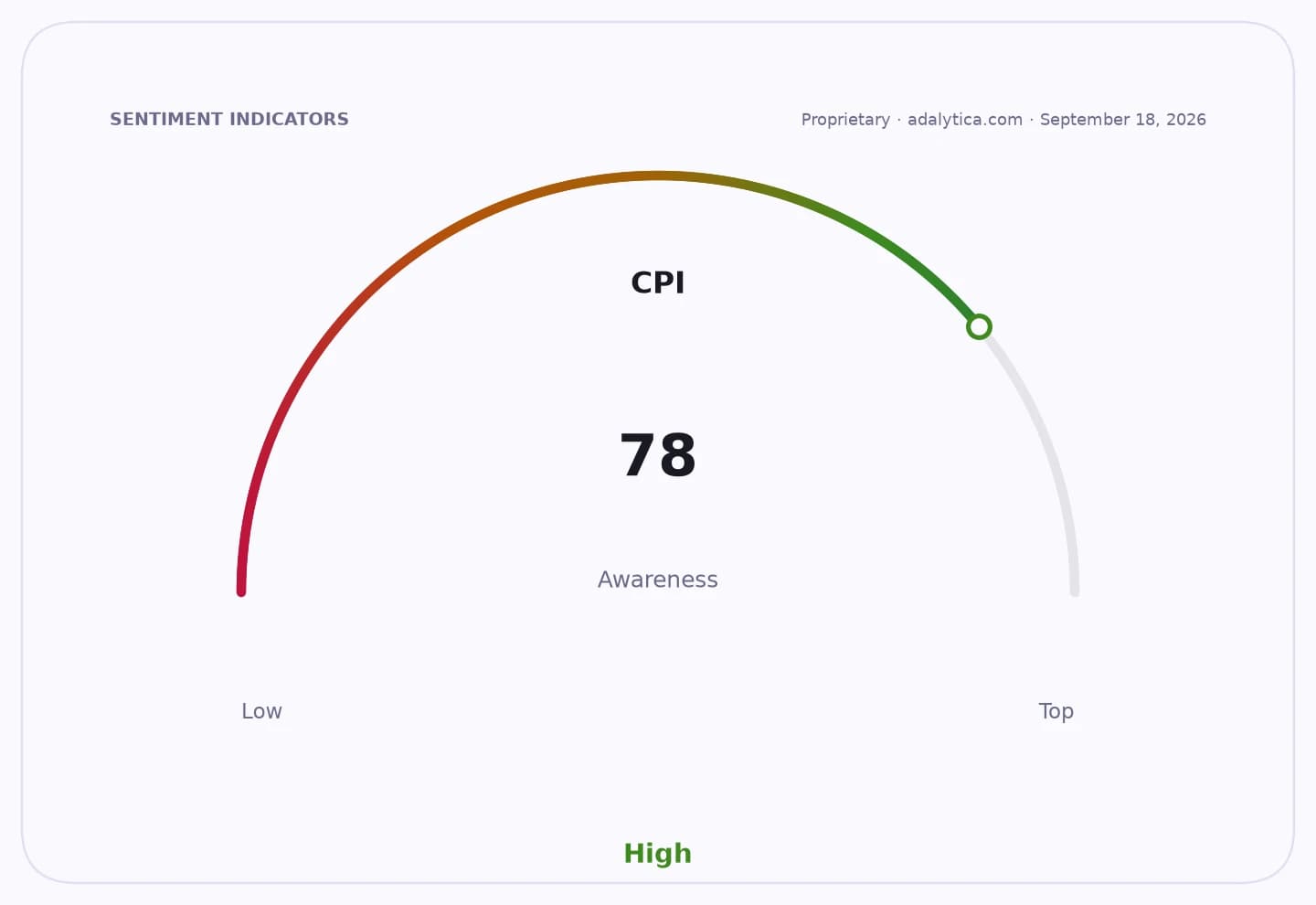
Sentiment IndicatorsⓘProprietary · adalytica.com · September 16, 2026
This is a snapshot — live sentiment, awareness and momentum for 130+ markets update continuously in the dashboard.Open AlphaPulse
Recent data show the sugar market had been under real strain: the PPIACO producer price index for sugar jumped to 290.2 in May from 256.978 a year earlier, before slipping to 286.023 in June and 285.181 in July, with August edging up only 0.96% to 287.928. That sequence suggests the sharpest part of the price run may have passed, even as the market remains elevated versus prior years.
India, one of the world’s most important sugar producers and consumers, has responded by issuing new sale quotas to mills and pressing them to keep supplies adequate and prices reasonable during the festival season. That kind of administrative push can quickly ease local tightness by forcing more product onto the market, even if it does not change underlying cane or weather conditions.
For investors, the shift matters across the commodity and consumer landscape. Lower sugar prices can relieve margin pressure for beverage, snack and confectionery companies, while also easing a source of inflation that can complicate central bank policy and consumer spending. The recent jump in the 50-day and 200-day technical trend measures for the CANE sugar ETF showed how quickly traders had chased the rally, with the fund closing at $11.39 on Sept. 16, up from $9.53 in mid-July before the latest pause.
The bigger risk is that any relief stays temporary if festival demand proves stronger than expected or if currency moves and supply-chain frictions tighten imports and domestic distribution again. Traders will be watching whether government quotas translate into sustained arrivals and whether the next round of pricing data confirms that the post-summer spike has peaked.
| Entity | Gains | Losses |
|---|---|---|
| Food and beverage makers | ▲Lower input costs | ▼Less pricing power |
| Sugar mills | ▲Higher quota-driven sales | ▼Smaller margin upside |
| Consumers | ▲Softer retail prices | ▼Less protection from scarcity premiums |
| Sugar bulls | ▲Tactical rally fades | ▼Near-term momentum breaks |