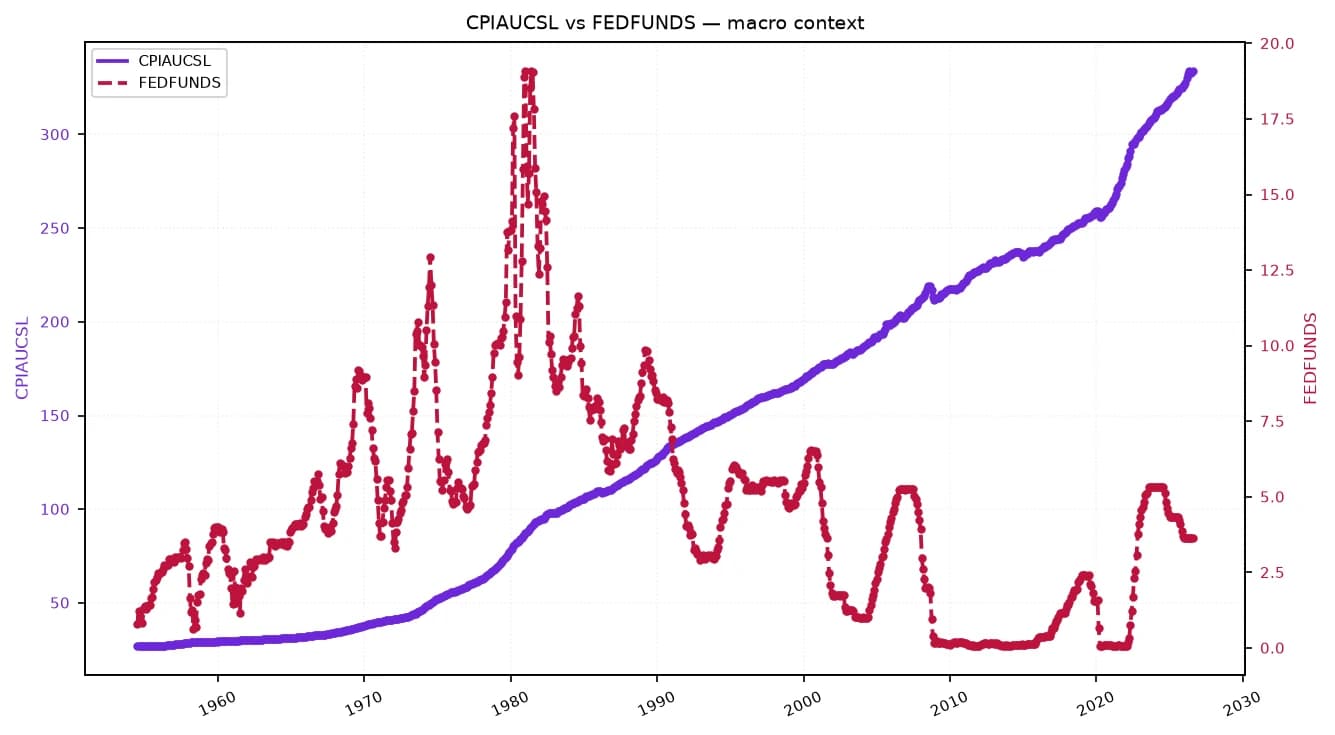
A market crash may not be here yet, but the setup is getting harder to ignore: the S&P 500 is still hovering near record territory, the 10-year Treasury yield is back around 5.3%, and sentiment indicators are flashing fear while investors wrestle with expensive valuations, stubborn inflation and geopolitical risk.
Berkshire Hathaway, Realty Income, Progressive to Watch
That combination matters because it is exactly the kind of backdrop that tends to expose fragile balance sheets, thin margins and overextended business models. When rates rise quickly, stocks with stretched valuations usually feel it first. But a bear market also creates opportunity, and the best long-term investors often respond by looking for companies that can keep compounding even when the broader market is falling apart.
Sentiment IndicatorsⓘProprietary · adalytica.com · October 5, 2026
This is a snapshot — live sentiment, awareness and momentum for 130+ markets update continuously in the dashboard.Open AlphaPulse
That is why Berkshire Hathaway, Realty Income and Progressive stand out. They are not the sort of stocks that usually grab headlines during a melt-up. They are the kind of businesses that can still look attractive when investors start thinking less about momentum and more about survival.
Berkshire Hathaway is the clearest example of that mindset. Warren Buffett’s conglomerate ended the second quarter with more than $350 billion in cash, a war chest that gives it flexibility if stocks sell off sharply. Cash may look boring in a roaring bull market, but in a crash it becomes a weapon. It cushions the business, preserves optionality and gives Berkshire the ability to buy assets cheaply while others are forced to sell. With Greg Abel set to lead the company forward, the basic formula should remain the same: patient capital, disciplined acquisitions and an aversion to reckless risk.
Realty Income offers a different kind of defense. Rising yields have hurt the real estate investment trust’s share price, but they have also pushed the dividend yield to about 6%, which is the sort of income level that starts to matter when investors are looking for shelter. The company has raised its dividend every year for more than three decades, through the dot-com bust, the financial crisis and the pandemic. Its business model is built on owning properties leased to tenants that keep paying rent even when the economy slows. During the Great Recession, occupancy never fell below 96%. For income investors, that kind of resilience is the point.
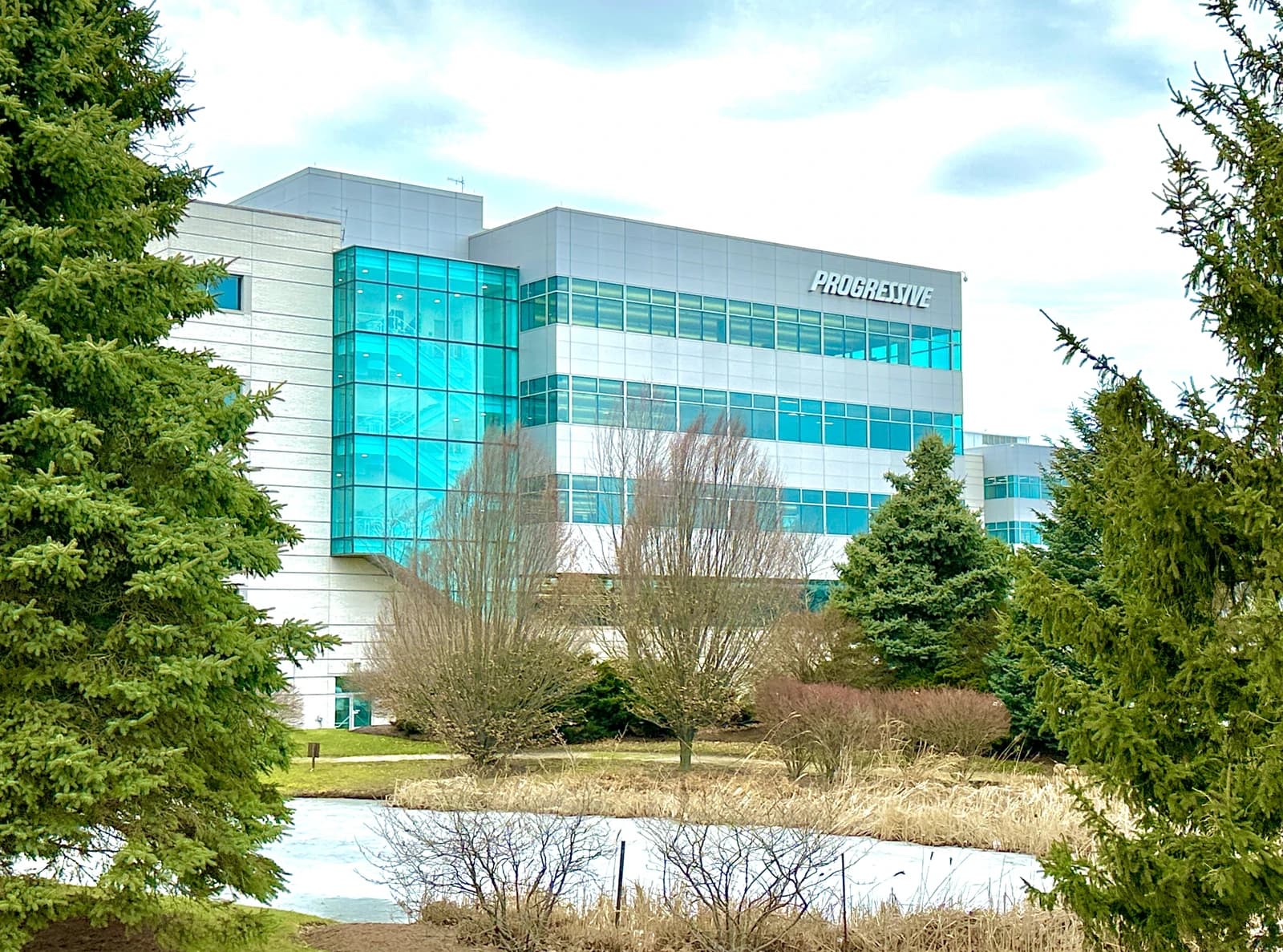
Progressive is the most cyclical of the three in appearance, but its fundamentals are more defensive than many investors realize. Auto insurance is not optional; drivers have to buy it. That gives Progressive a durable source of demand. More important, it collects premiums up front and invests that cash before claims are paid, which gives it a large pool of float to work with. Its investment portfolio totaled $92 billion, and only about 5% was in equities, leaving the rest largely in bonds. Rising yields can pressure bond values in the short run, but in a bear market those fixed-income holdings can become a stabilizer rather than a drag.
The broader lesson is simple: if a downturn arrives, the market will punish companies that depend on perfect conditions and reward businesses that can keep generating cash, income and underwriting profits. Berkshire has the balance-sheet firepower, Realty Income has the dividend durability and Progressive has the insurance economics that tend to hold up when the economy weakens.
None of that means investors should rush in blindly or pretend valuation no longer matters. It does mean that if you are building a portfolio for the next three to 10 years, it is worth thinking about who gets stronger when fear takes over. History says bear markets eventually arrive. When they do, the companies with cash, recurring cash flow and pricing power usually come out the other side in much better shape. These three financial stocks are worth a spot on the watchlist, and for patient investors, they may be worth buying before the next storm hits.
| Entity | Gains | Losses |
|---|---|---|
| Berkshire Hathaway | ▲Cash-rich flexibility | ▼Overleveraged rivals |
| Realty Income | ▲Yield-seeking investors | ▼Rate-sensitive sellers |
| Progressive | ▲Premium income and float returns | ▼Equity-heavy financials |
| Bear market buyers | ▲Defensive entry points | ▼Momentum chasers |