Bet365’s plan to shed about 340 jobs shows how quickly Britain’s gambling tax squeeze is forcing operators to protect margins, and it underscores a broader retrenchment across the sector as regulatory costs rise.
Bet365 cuts 340 jobs after UK gambling tax rise
The company said the cuts, which affect roughly 3% of its workforce across the UK, Malta and Gibraltar, are part of a restructuring aimed at securing the business’s long-term future. That is not just corporate housekeeping. It is a blunt signal that higher duties are beginning to bite into an industry built on thin operating leverage, heavy compliance spending and constant marketing outlays.
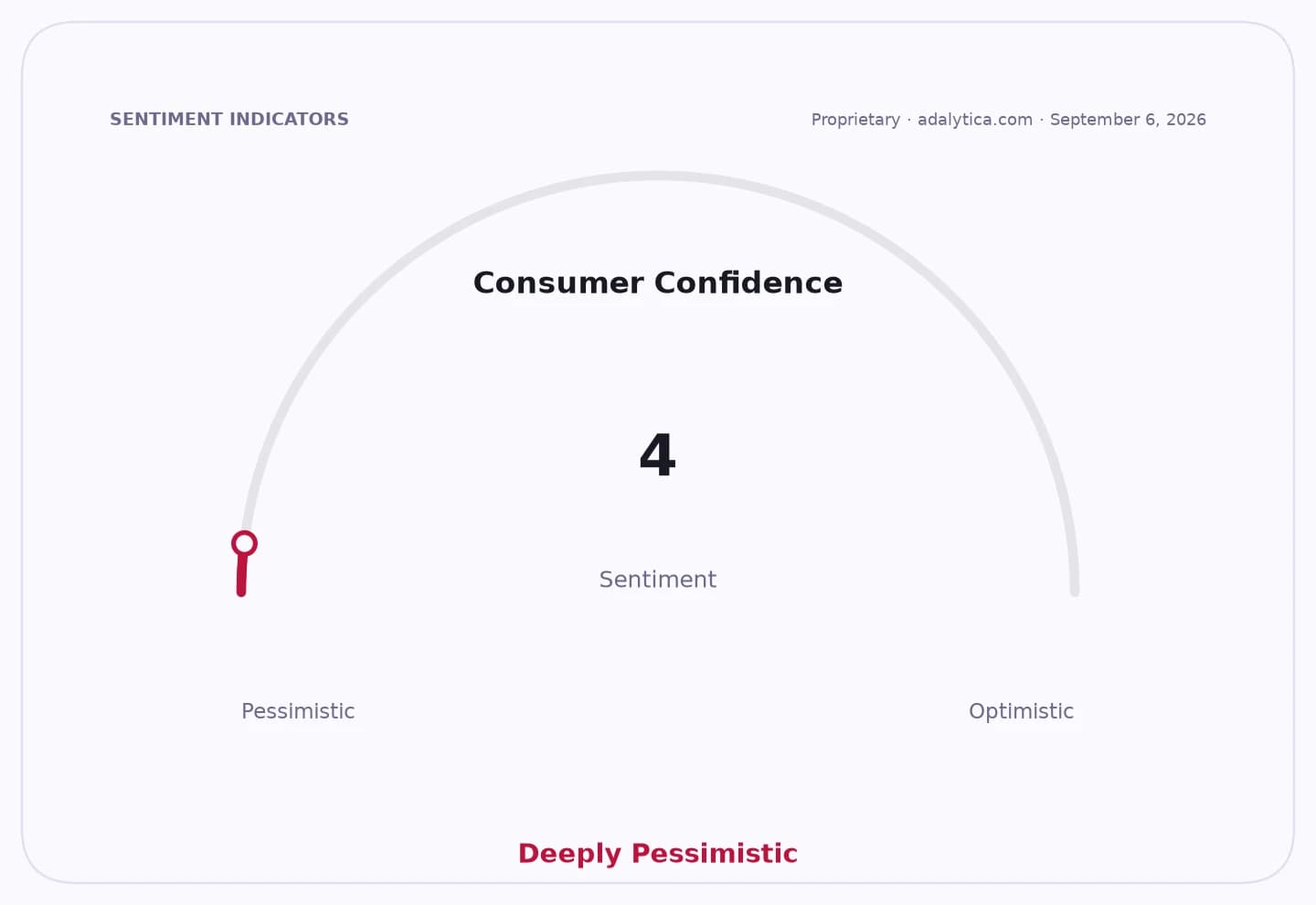
Sentiment IndicatorsⓘProprietary · adalytica.com · September 14, 2026
This is a snapshot — live sentiment, awareness and momentum for 130+ markets update continuously in the dashboard.Open AlphaPulse
The timing matters. The UK has already raised remote gaming duty from 21% to 40%, while a new remote betting duty is set to lift the effective tax rate on sports wagering products from 15% to 25% in 2027. For an operator like bet365, which competes across Europe and in markets including the US, Brazil and Australia, those changes reduce cash available for growth, technology investment and customer acquisition just as competition intensifies.
That is why job cuts are only the first-order effect. The second-order impact is a more cautious industry-wide capital allocation cycle. Higher taxes and tighter rules typically push operators to trim headcount, slow expansion and look for administrative savings before they touch core product investment. In practice, that can mean fewer new hires in customer support, marketing and back-office functions, but also a harder hunt for efficiencies across digital infrastructure and pricing.
Investors should read this as a margin warning for listed betting names, not as a one-off UK labor story. Flutter Entertainment and DraftKings remain exposed to the same broad pressure set: more regulation, heavier tax burdens and a customer base that is still highly promotional and cyclical. Even when revenue holds up, earnings can lag if governments keep taking a bigger slice of gross gaming yield and operators cannot pass that cost through without losing share.
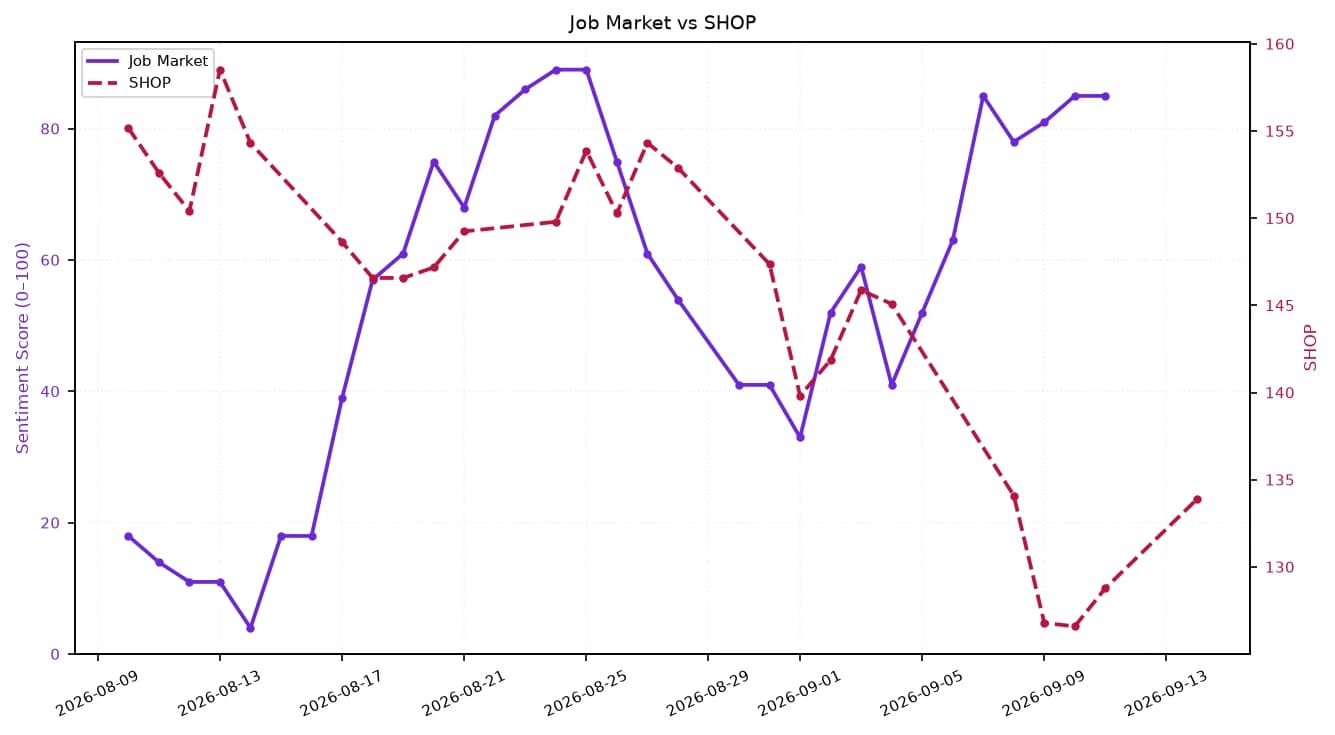
The stock market has already punished the group. Flutter shares have fallen sharply from recent levels, while DraftKings has also been volatile, reflecting a sector that is increasingly being valued on durability rather than just growth. In that environment, the winners are likely to be operators with the broadest scale, the deepest technology stacks and the best ability to absorb tax shocks without sacrificing product quality. The losers are smaller or more regionally concentrated bookmakers that lack that flexibility.
The bigger message is that gambling is moving from a growth-at-any-price story to a cash-conservation story. Bet365’s move suggests the next phase of the trade will be about operational discipline, not aggressive expansion. For investors, that means favoring the companies that can turn regulation into a competitive moat, and avoiding those most exposed to tax-led margin compression.
| Entity | Gains | Losses |
|---|---|---|
| Bet365 | ▲Cost savings | ▼Headcount |
| UK Treasury | ▲Higher tax intake | ▼Industry expansion |
| Flutter, DraftKings | ▲Relative scale advantage | ▼Margin pressure |
| Smaller bookmakers | ▲— | ▼Greater cost burden |