BforBank is trying to win travelers with a simple pitch: stop paying bank charges abroad.
BforBank offers free overseas card payments

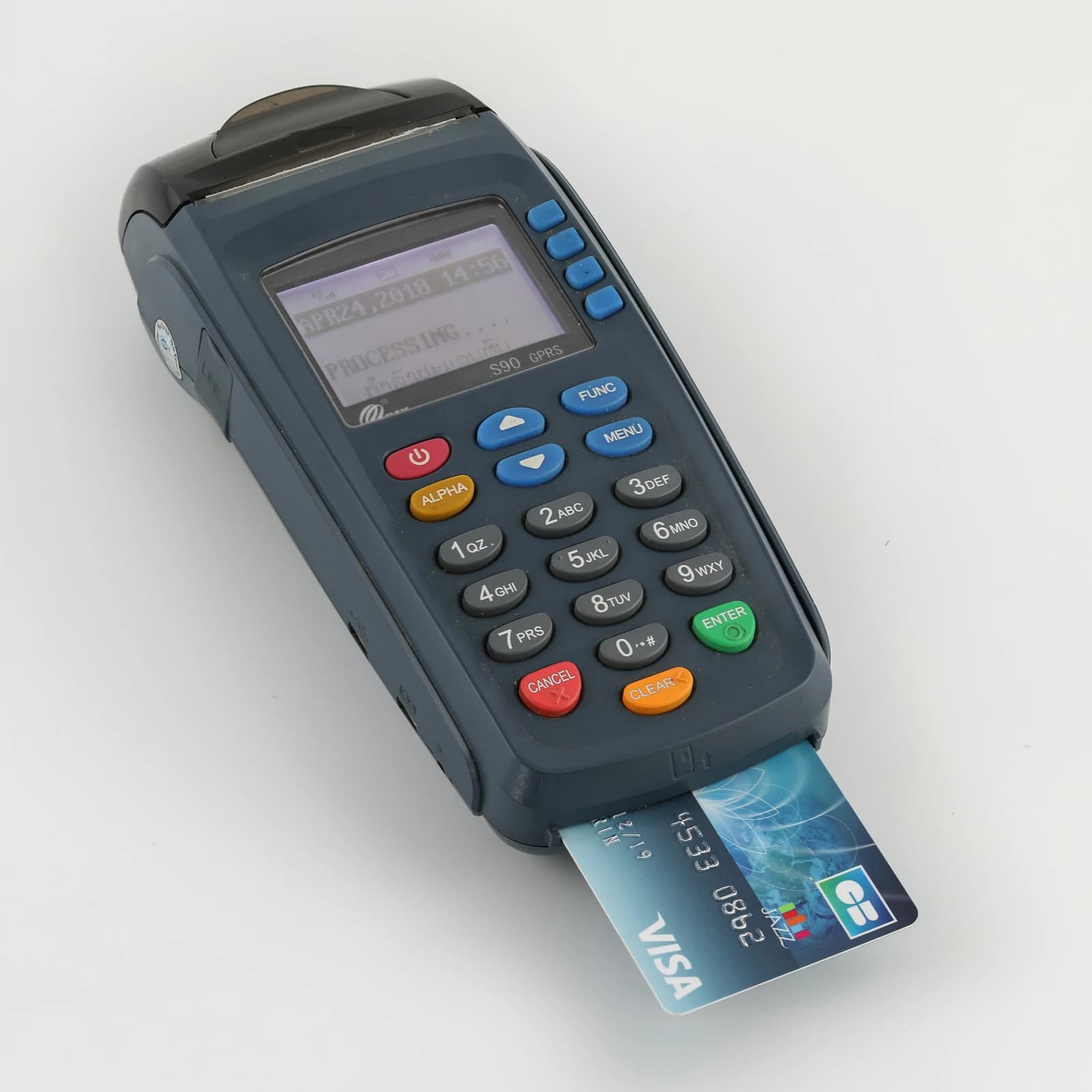
The French online lender is promoting its BforZEN card with free card payments worldwide, unlimited free withdrawals in the euro zone and one free cash withdrawal a month outside the euro area, a package that speaks directly to a growing consumer backlash against foreign-transaction fees, surcharges and restrictive card terms. For investors, the broader significance is that fee pressure in retail banking is pushing lenders to compete more aggressively on cross-border spending, an area where interchange economics, rewards costs and customer acquisition are tightly linked.
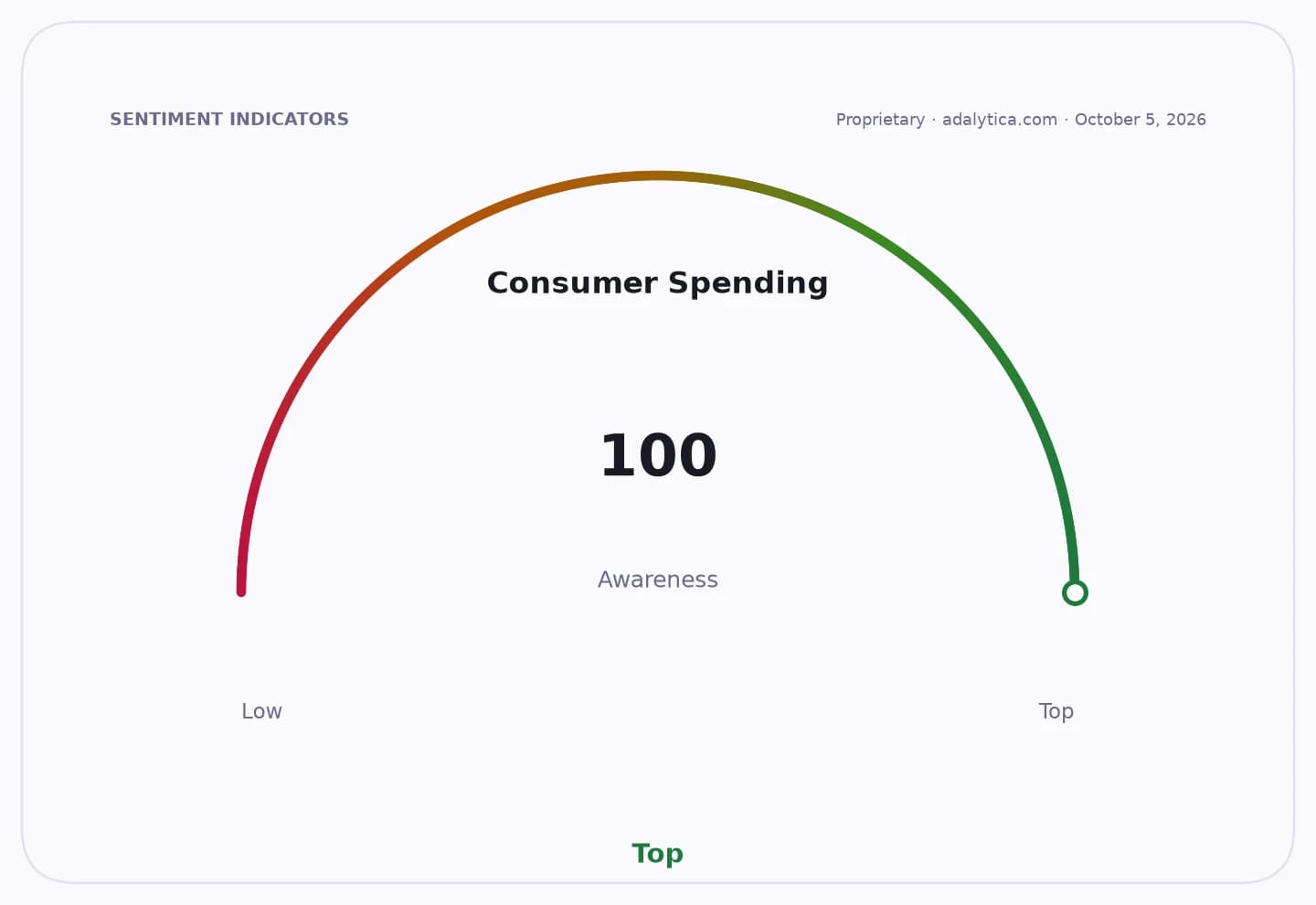
Sentiment IndicatorsⓘProprietary · adalytica.com · October 4, 2026
This is a snapshot — live sentiment, awareness and momentum for 130+ markets update continuously in the dashboard.Open AlphaPulse
The offer arrives as banks across markets tighten card pricing in other ways. In Australia, regulators’ push to curb surcharges has helped prompt issuers to cut rewards or raise hurdle spending on premium cards, showing how banks often offset consumer-friendly reforms by reworking economics elsewhere. The result is a market where the headline price of using a card can fall while the effective cost rises through lower benefits, higher annual fees or tougher eligibility.
BforBank’s answer is to bundle convenience, insurance and travel assistance into a no-account-fee product with no income condition, then add a cash incentive. The bank is offering €80 to new BforZEN customers through Nov. 2, 2026, and says customers can also receive a €200 gift card if they make BforBank their main bank through its free account-switching service. That is an acquisition strategy built around the same dynamic driving neobank competition across Europe: once domestic payments are commoditized, international use becomes the differentiator.
Economically, this matters because foreign card spending is a high-volume, low-friction profit pool for banks and payments networks. If consumers increasingly compare the total cost of travel spending rather than just the annual fee, issuers may be forced to absorb more of the margin hit or shift it into premium tiers. That can weigh on fee income for traditional lenders while benefiting digital banks that can scale deposits and transactions without the branch overhead of incumbents.
For investors, the story cuts across several financials names. Visa remains exposed to cross-border spending volumes, which are typically higher-margin than domestic transactions, while Mastercard and other payment processors also benefit from more card usage abroad. Banks such as BforBank’s parent can gain share if they attract primary relationships and more payments activity, but they may also face thinner unit economics if the race to zero foreign fees intensifies. Amex, meanwhile, sits at the opposite end of the market, where premium rewards economics can cushion fee pressure but depend on customers continuing to justify higher spending thresholds.
Recent trading in payment stocks has been more about fundamentals than this specific consumer trend, but the direction of travel is clear: Visa, Mastercard and American Express have held up better than banks when payments growth is steady, yet their earnings models still rely on consumers using cards rather than cash. A shift toward free international card use can support transaction volumes, but it can also compress margins if issuers have to keep adding travel perks, insurance and cash-back incentives to stay competitive.
The next question is whether BforBank’s offer is a one-off customer acquisition push or part of a wider European repricing of travel banking. If more lenders follow, the winners will be banks with cheaper funding, better app-driven distribution and enough scale to monetize customer relationships elsewhere. The losers are likely to be issuers that depend on hidden foreign fees, premium card inertia or customers who do not compare the true cost of spending abroad.
| Entity | Gains | Losses |
|---|---|---|
| BforBank | ▲New customer acquisition | ▼Lower fee income |
| Travelers | ▲Lower foreign spending costs | ▼Fewer premium perks |
| Visa/Mastercard | ▲Higher card volume | ▼Margin pressure |
| Traditional banks | ▲More digital competition | ▼Foreign-fee revenue |