A bridge in Bharuch that took nine years and about ₹66 crore to build is already back in the repair queue, and that is the kind of infrastructure failure investors and taxpayers should care about.
Bharuch bridge repair costs rise to ₹81 crore
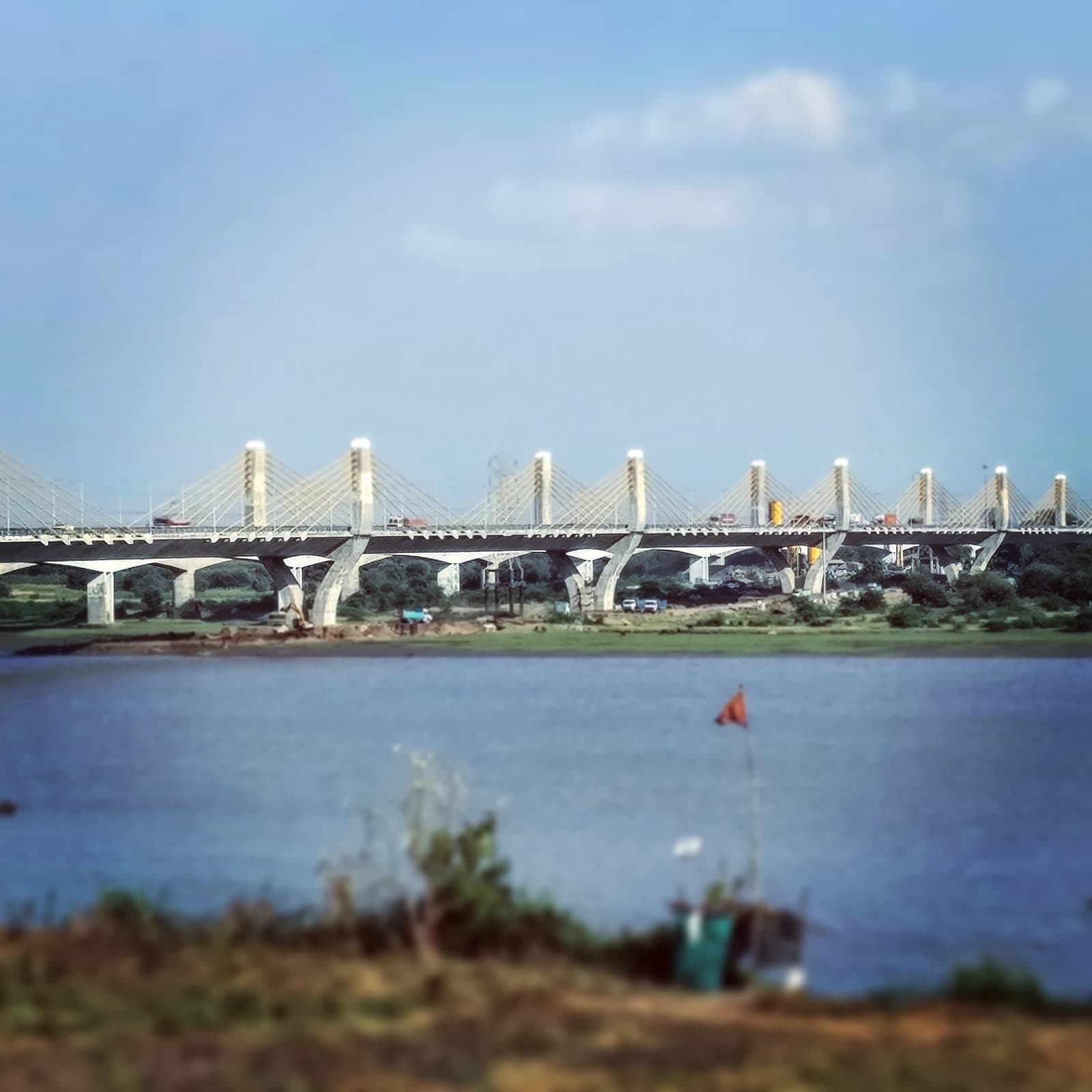
The Dolia-Denva bridge, which links Amod and Jambusar in Gujarat’s Bharuch district, was opened to small vehicles only around 100 days ago, yet cracks have already appeared in the approach road on the Denva side. The state has now approved another ₹15 crore to check erosion and build an RCC protection block and safety wall, lifting the apparent cost of the project to roughly ₹81 crore before the first proper year of use is even complete.
Sentiment Indicators
That matters economically because infrastructure is supposed to create durable productive capacity, not generate repeated maintenance bills almost immediately. When a public project consumes years of execution time and then needs another round of spending to address design or site-preparation failures, it ties up scarce fiscal resources that could have gone to roads, drainage, flood control or other projects with a clearer return.
The official explanation is that the bridge’s main structure is intact and the problem lies in erosion under the approach road caused by sea currents. But that detail does not reduce the significance of the episode. If erosion was known in earlier mapping and local conditions were already evident, the obvious question is why adequate protection was not built in from the start. For investors, that is the real issue: whether public infrastructure spending is being converted into long-lived assets or diluted by poor planning, weak supervision and eventual rework.
The story also fits a broader pattern in construction and civil infrastructure markets. Large projects in difficult terrain or waterlogged areas can run over budget, miss deadlines and expose contractors and supervisors to reputational damage. Over time, that can affect how governments award contracts, how much contingency bidders must price in, and how much trust lenders and suppliers place in project execution. For companies tied to public works, the lesson is not just about one bridge — it is about the quality of project selection, site investigation and risk management.
For long-term investors, this is less a tradeable event than a reminder that infrastructure quality is a compounding issue. Assets that are built well can support growth for decades; assets that need immediate repair destroy value. Watch for whether officials tighten design standards and accountability on future public works. That will matter far beyond Bharuch.
| Entity | Gains | Losses |
|---|---|---|
| Local commuters | ▲safer bridge after repairs | ▼disruption and delay |
| Gujarat government | ▲chance to fix flaw | ▼credibility and fiscal headroom |
| Contractors and supervisors | ▲additional repair work | ▼reputation under scrutiny |
| Taxpayers | ▲eventual improved safety | ▼higher total project cost |