Ukraine’s push to shield power substations from Russian missile and drone strikes is facing fresh scrutiny after activists and police said contractors under investigation for alleged budget misuse spent public money on luxury property, a crocodile terrarium and a Rolls-Royce.
Ukraine energy shield contracts face graft probe
The allegations go to the heart of Ukraine’s wartime energy resilience, where every hryvnia earmarked for concrete shelters, armored covers and other protection works matters for keeping the grid running through attacks and winter demand spikes. If funds meant for critical infrastructure were diverted, it raises the risk of slower repairs, weaker defenses and higher costs for the state and energy operators already under pressure from the war.
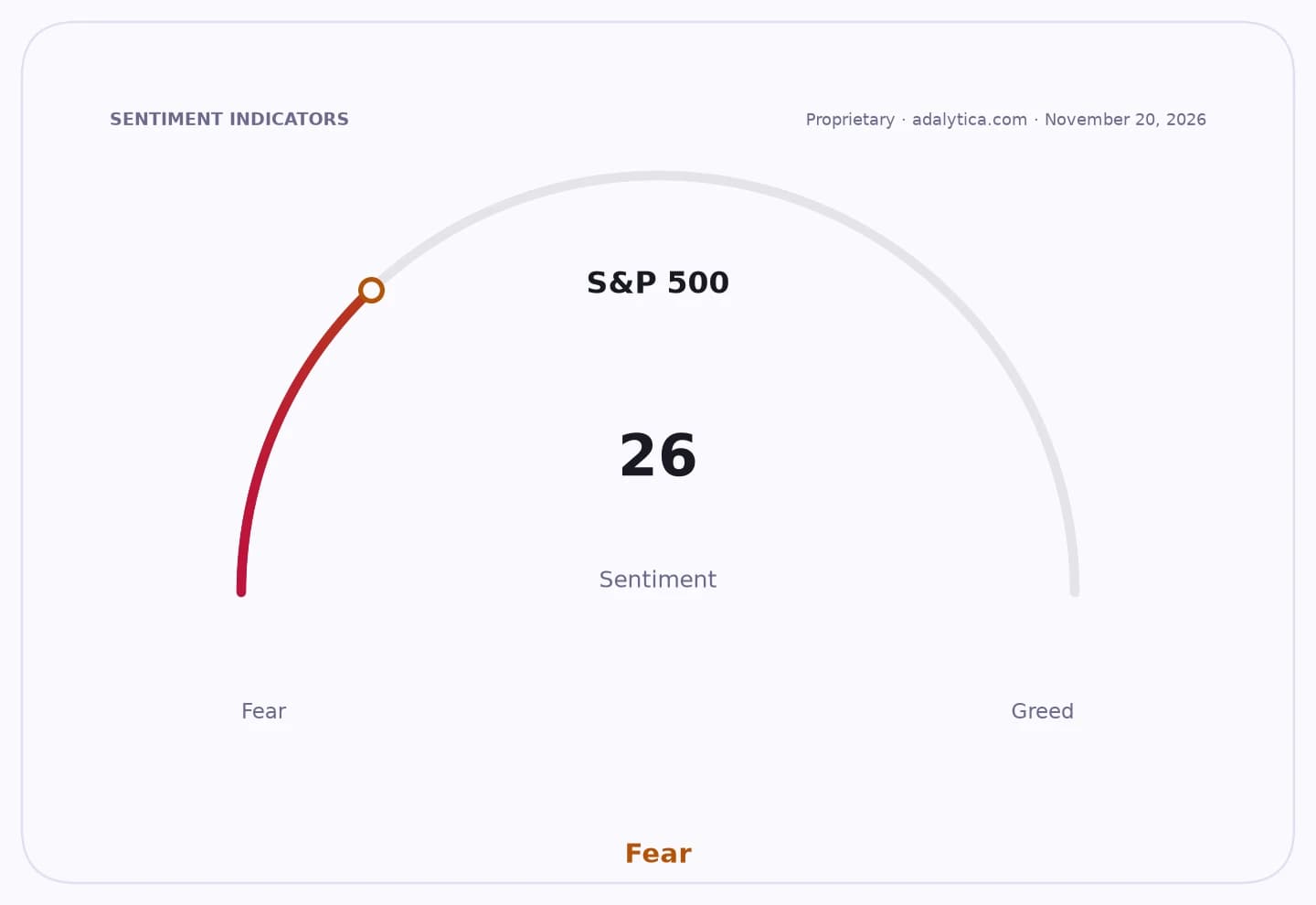
Sentiment Indicators
Public figure Serhiy Sternenko said police searched suspects in a criminal case tied to possible embezzlement of budget funds allocated for protective structures at energy facilities in Kyiv region. He said the contractor company that received state money for so-called “sarcophagi” instead used it to buy elite assets.
According to Sternenko, investigators found a multi-level penthouse with gilding, marble columns and expensive interiors, an indoor pool, a terrarium with a live crocodile and a Rolls-Royce. He also said the contractor lacked the staffing and equipment needed to carry out the specialized construction work.
Ukraine has made protection of critical infrastructure, including substations operated by Ukrenergo and distribution network companies, a priority as Russia continues to target the power system with missiles and drones. But prosecutors and police have repeatedly opened cases over alleged abuse and theft in contracts for such projects across the country.
For investors, the case underscores the execution and governance risks tied to Ukraine’s wartime reconstruction and infrastructure spending, where corruption probes can delay projects, increase political pressure and complicate funding oversight from the state and donors. It also adds another layer of uncertainty for contractors and suppliers involved in energy-security work, even as demand for protection and repair spending remains structurally high.
The immediate focus now is whether investigators can identify who approved the contracts, who benefited and whether any of the missing funds can be recovered, with more scrutiny likely on future substation-protection tenders and wartime public procurement.
| Entity | Gains | Losses |
|---|---|---|
| Ukrainian anti-corruption investigators | ▲stronger mandate | ▼trust erosion from graft claims |
| Energy grid operators | ▲tighter oversight | ▼slower protection rollout |
| Contractors under probe | ▲none | ▼contracts, reputation, cash flow |
| Taxpayers and donors | ▲better scrutiny if case sticks | ▼public funds diverted |