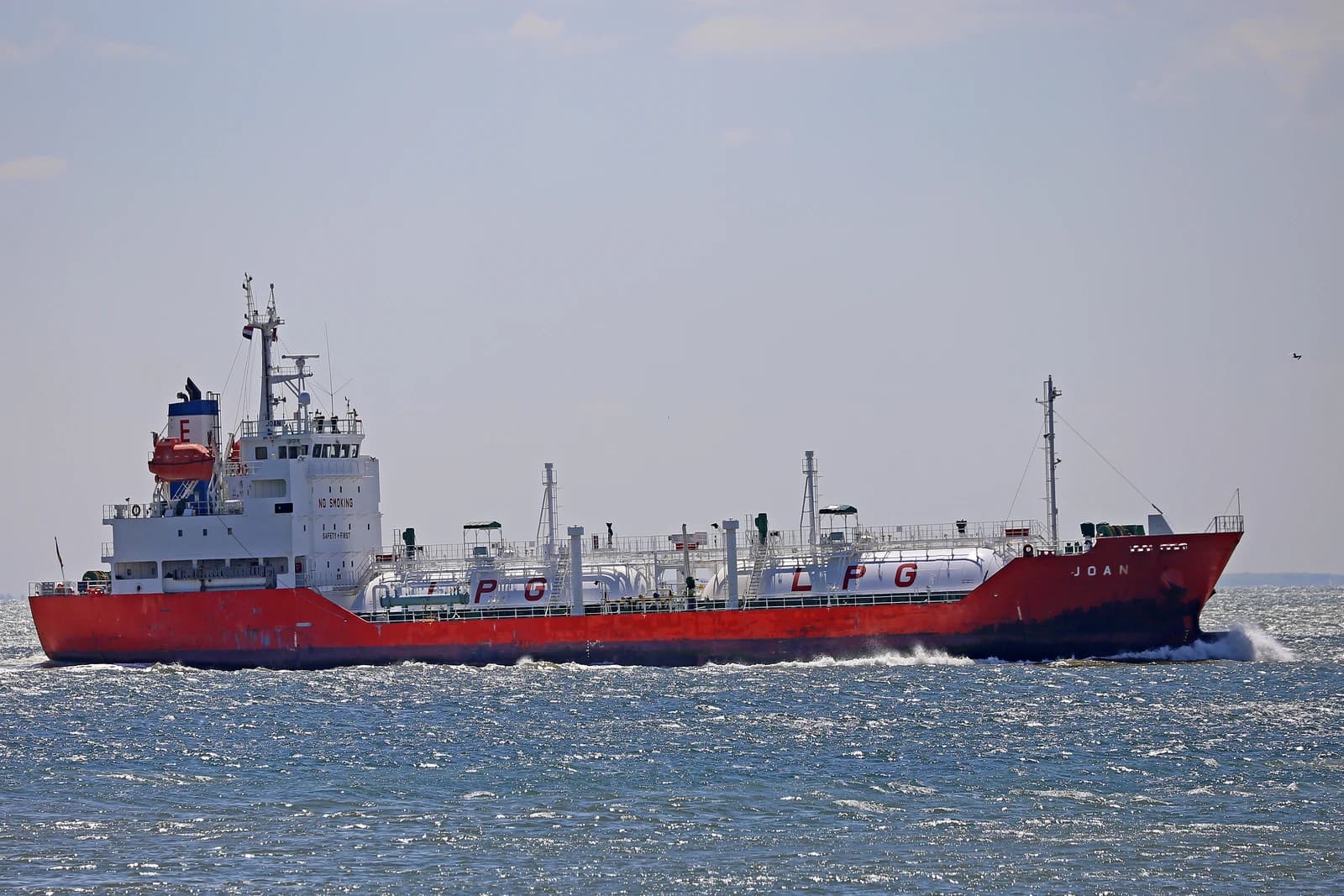
Bhutan’s bill for petrol and diesel rose to Nu 8.977 billion in 2016, up about 13% from the previous year, underscoring how rising vehicle ownership and heavier transport demand are deepening the country’s reliance on imported fuel.
Bhutan fuel imports rose 13% in 2016
The increase matters because fuel is a structural import cost that feeds directly into Bhutan’s trade balance, transport expenses and consumer prices. Diesel made up 78% of fuel imports last year, reflecting the economy’s dependence on freight movement, construction activity and service-sector transport rather than private car use alone.
The first Annual Environmental Accounts published by the National Statistics Bureau show 9,419 vehicles were imported in 2016, led by 6,188 light vehicles and 990 heavy vehicles. Household ownership accounted for 62.42% of vehicles, while the service sector held 24.63%, indicating that the transport burden is broadening across the economy.
The service sector was the biggest fuel consumer, taking 38.30% of total petrol and diesel imports, followed by households at 21.10% and industry at 19.50%. In spending terms, service-sector users consumed about Nu 6.43 billion worth of fuel over the last two years, while households spent Nu 3.87 billion.
Some of the imported fuel is also absorbed by Indian vehicles transiting Bhutan and by refueling in border towns including Samdrup Jongkhar, Gelephu, Phuentsholing and Samtse, which means part of the import growth reflects cross-border traffic as much as domestic demand.
The report also shows smaller but steady gains in other refined products. Kerosene imports rose to 4,791 kiloliters from 4,611 kiloliters, while LPG imports increased to 7,593.23 metric tons from 7,302.60 metric tons, with 545,999 cylinders consumed in 2016 versus 456,742 a year earlier.
For investors and policymakers, the key issue is that fuel demand is rising faster than the economy can easily absorb, leaving Bhutan exposed to imported energy costs and supply disruptions. Any move to curb fuel use, improve efficiency or switch to cleaner alternatives would matter not just for inflation and the current account, but for transport-heavy sectors and public finances as well.
| Entity | Gains | Losses |
|---|---|---|
| Fuel importers | ▲Higher sales volumes | ▼Greater exposure to price shocks |
| Transport and service sectors | ▲More mobility and activity | ▼Higher operating costs |
| Households | ▲Wider fuel access | ▼Bigger living expenses |
| Bhutan’s current account | ▲None | ▼Larger import bill |