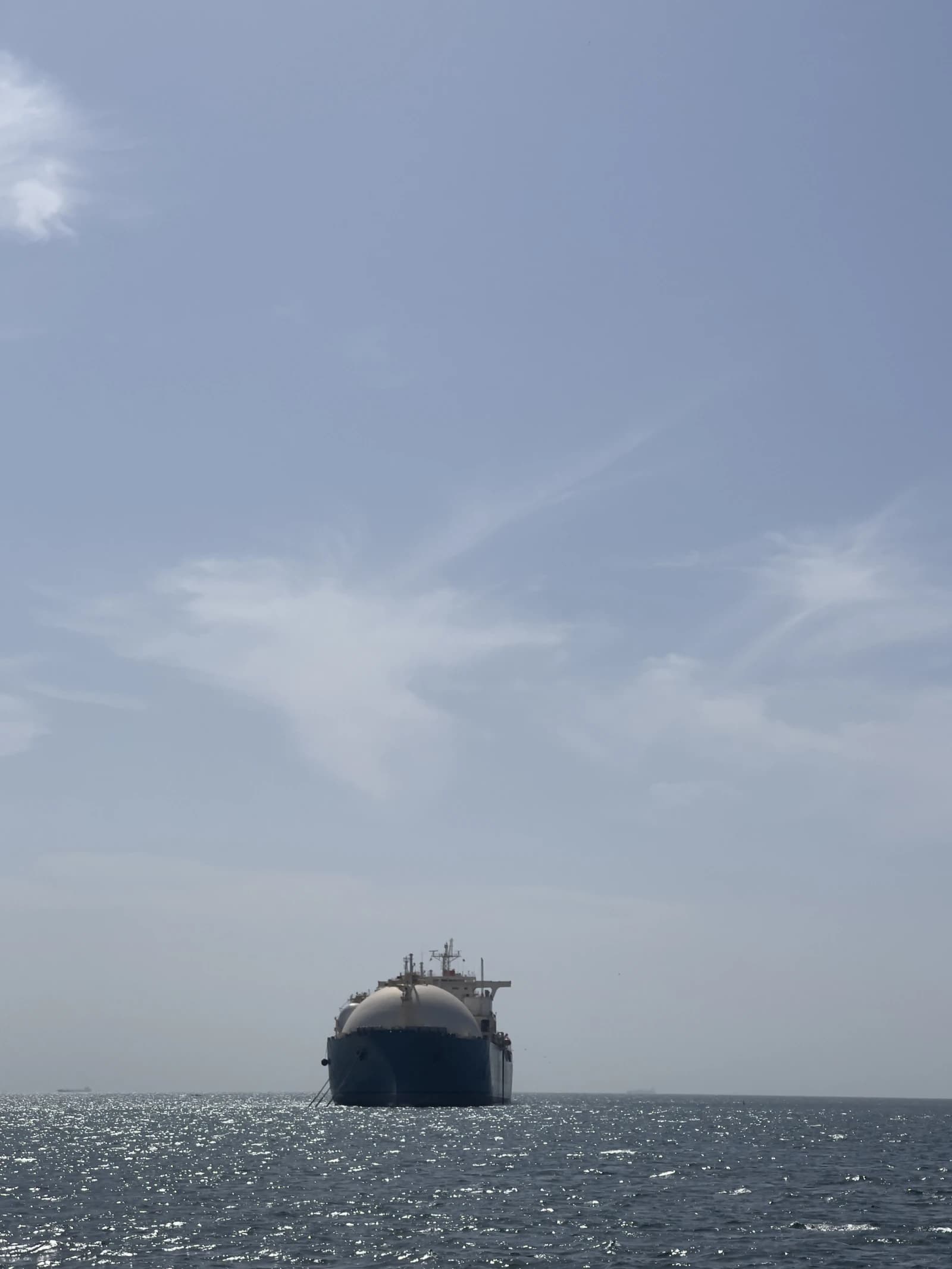
Butane prices have climbed to their highest levels in decades as a war-driven rerouting of liquefied petroleum gas flows leaves Europe short of supply just as winter blending demand rises.
Butane Prices Hit Multi-Decade Highs on Supply Squeeze
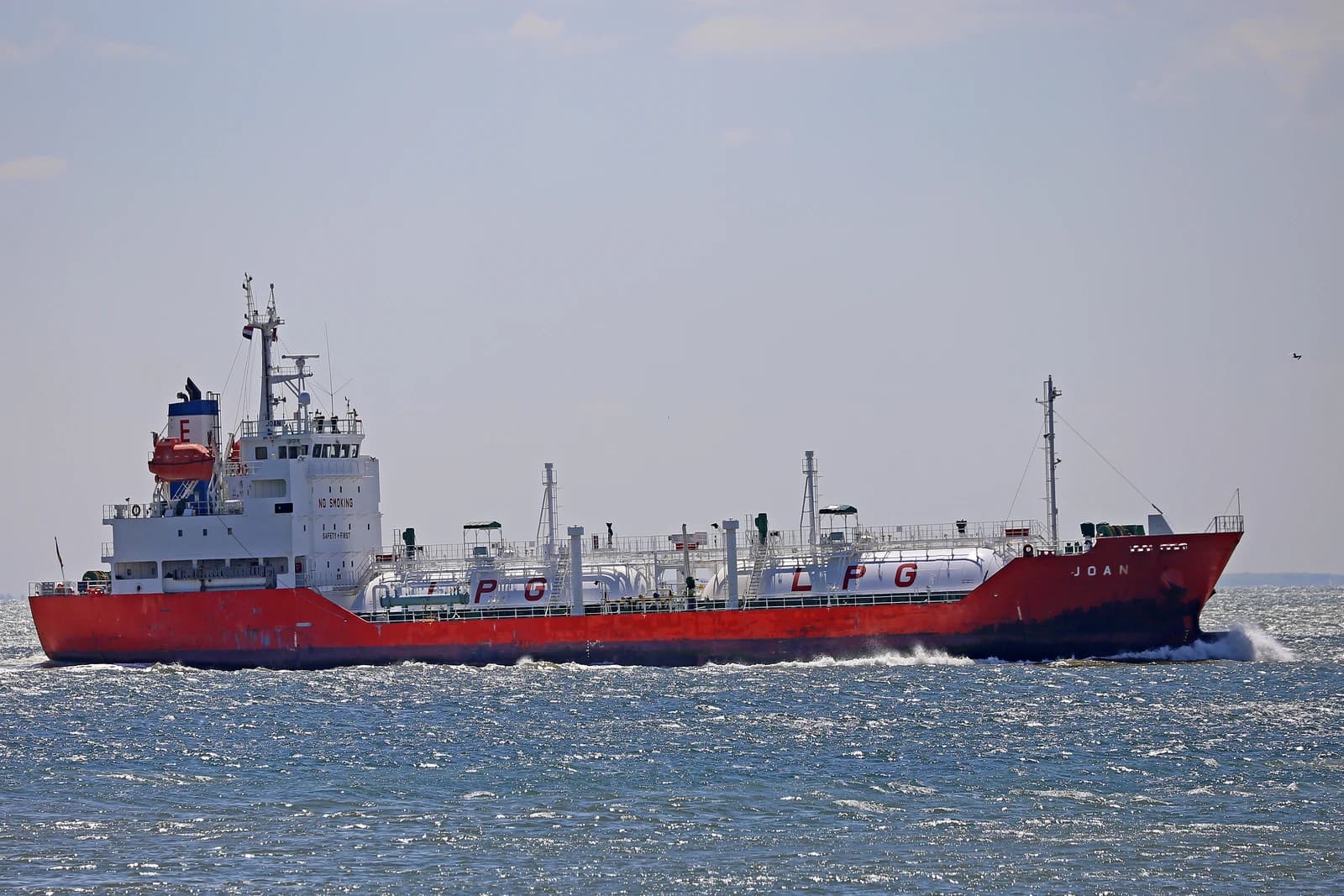
Northwest European November butane has reached $1,125 a tonne, the highest in 30 years and above the peaks seen after Russia’s invasion of Ukraine, while Asia’s AFEI butane index stood at $1,180 a tonne on Nov. 3 and US butane at Mont Belvieu hit a 14-year high of $920 a tonne. The move reflects a global supply squeeze that is no longer just about crude oil: it is the narrowing availability of a key feedstock for household cooking gas and gasoline blending.
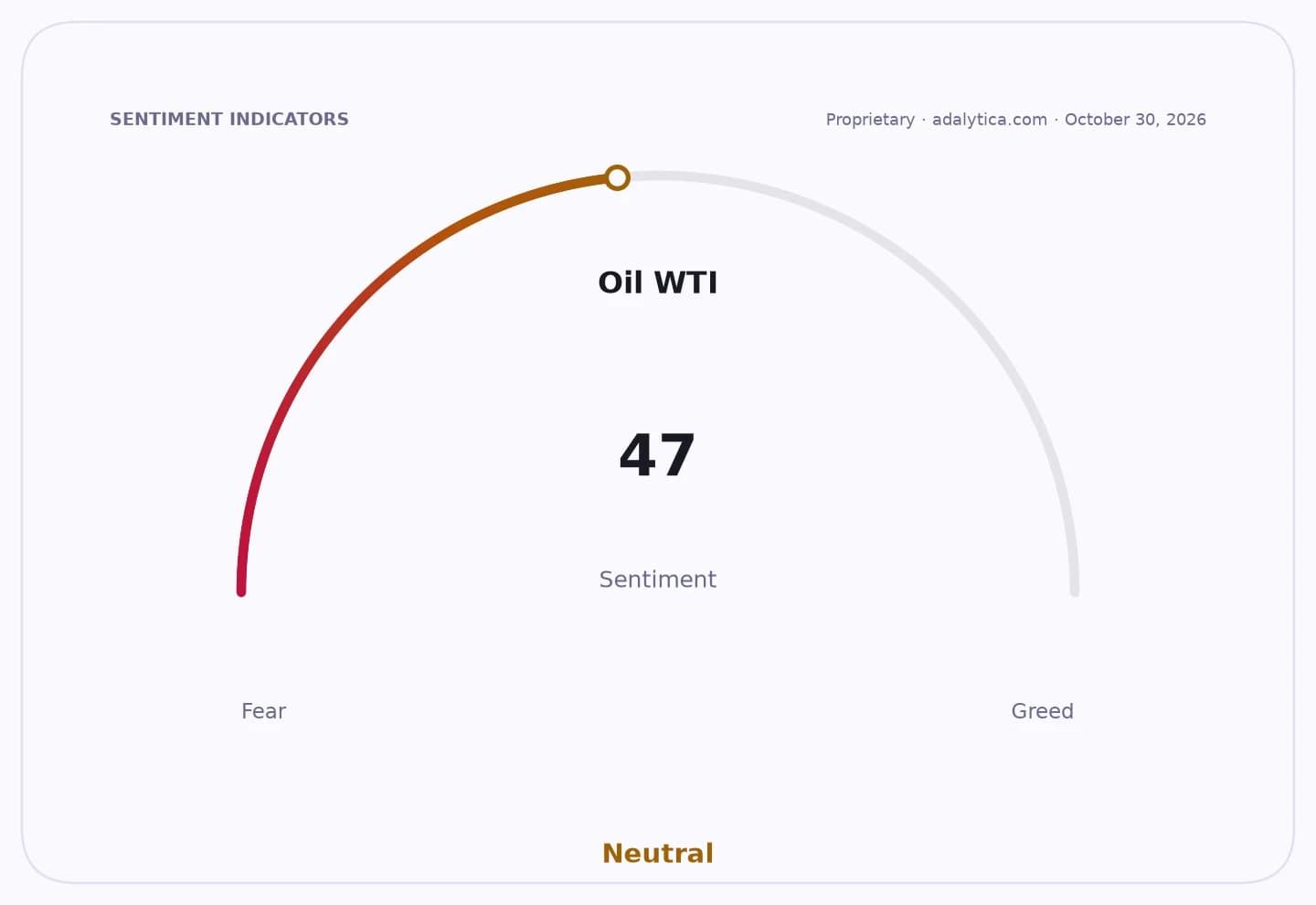
Sentiment Indicators
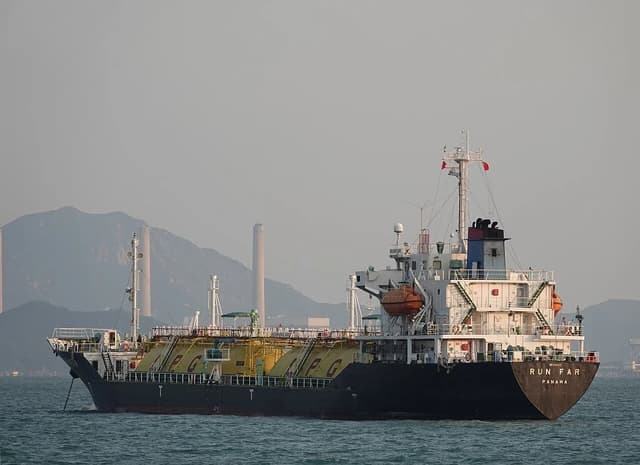
The biggest change is the redirection of LPG trade since the Middle East conflict began in March. Before the disruption, the US supplied roughly 45% to 50% of global LPG exports and the Middle East another 30% to 35%. After Gulf exports slumped, the US share jumped to 65%, and Asia absorbed much of the replacement supply. Between April and October, US propane and butane made up as much as 75% of Asian imports, drawing cargoes away from Europe.
That left Amsterdam-Rotterdam-Antwerp exposed. Butane imports into the ARA hub fell to 130,000 tonnes in October, a multi-year low and down 34% from a year earlier. At the same time, US exports eased from a record 2.4 million tonnes in May to 1.55 million tonnes in October, even as Europe’s seasonal demand for winter-grade gasoline began to build. The result is a classic squeeze: fewer molecules available, more buyers chasing them and higher prices across all three major basins.
India has been one of the main reasons Asia is absorbing so much supply. Its LPG needs are heavily dependent on imported Gulf cargoes, and the country’s cooking-gas market prefers a blend with roughly equal propane and butane content. US supply is skewed toward propane, so it cannot fully replace the missing Middle Eastern butane. Imports into India dropped sharply at the start of the crisis, forcing refiners to boost LPG output and prioritise household supply. As Middle Eastern deliveries recover only gradually, Indian buyers are still leaning on long-haul US cargoes, keeping a floor under Atlantic and Asian prices.
China is adding a different layer of demand through its expanding petrochemical and gasoline-additive sector. Five new MTBE plants opened in 2025, adding 3.4 million tonnes a year of capacity and increasing the need for imported butane as feedstock. Because MTBE can be exported to other Asian markets, Europe and Latin America, Chinese buying is not tied only to domestic fuel demand, making it stickier than many traders expected.
The seasonal transition to winter gasoline in the US and Europe is tightening the market further. Butane’s high vapour pressure makes it valuable for cold-weather blending, so refiners are competing with overseas buyers just as Asian import demand remains elevated. US exports to Asia accounted for 840,000 tonnes, or 54%, of October shipments, while Europe took only 105,000 tonnes, about 7%.
For investors, the story is less about butane itself than about what it says on energy inflation and refining margins. When a niche product such as butane reaches multi-decade highs, it usually signals that the broader light ends market is tight and that refiners, LPG exporters and shipping operators can command better economics. Integrated US producers and exporters stand to benefit, while European and Asian importers face higher feedstock costs and weaker margins.
The price level also helps explain why arbitrage is becoming harder to sustain. US butane at $920 a tonne plus roughly $320 a tonne in freight to India implies a delivered cost around $1,240 a tonne, leaving only a $50 to $60 a tonne spread to Asian prices. That is barely enough to justify new shipments. In April, the spread was negative by $300 to $400 a tonne, which sent a flood of US cargoes toward Asia. Unless US prices fall, freight eases or Asian prices rise further, the market will remain illiquid at the margin.
The near-term relief valve is a fuller recovery in Gulf exports, which would ease pressure on India and free more US cargoes for Europe. But that depends on maritime conditions around the Strait of Hormuz and on whether the geopolitical situation worsens again. If shipments from the Middle East falter anew, Asia and Europe would once again be forced into competition for the same American barrels — a setup that would keep butane prices elevated into the winter.
| Entity | Gains | Losses |
|---|---|---|
| US LPG exporters | ▲Higher export margins | ▼Limited cargo availability |
| Indian refiners/importers | ▲More supply if Gulf flows recover | ▼High delivered costs |
| European blenders | ▲Relief from more Gulf supply | ▼Tight winter feedstock market |
| Asian chemical makers | ▲Feedstock access from US cargoes | ▼Higher butane input costs |