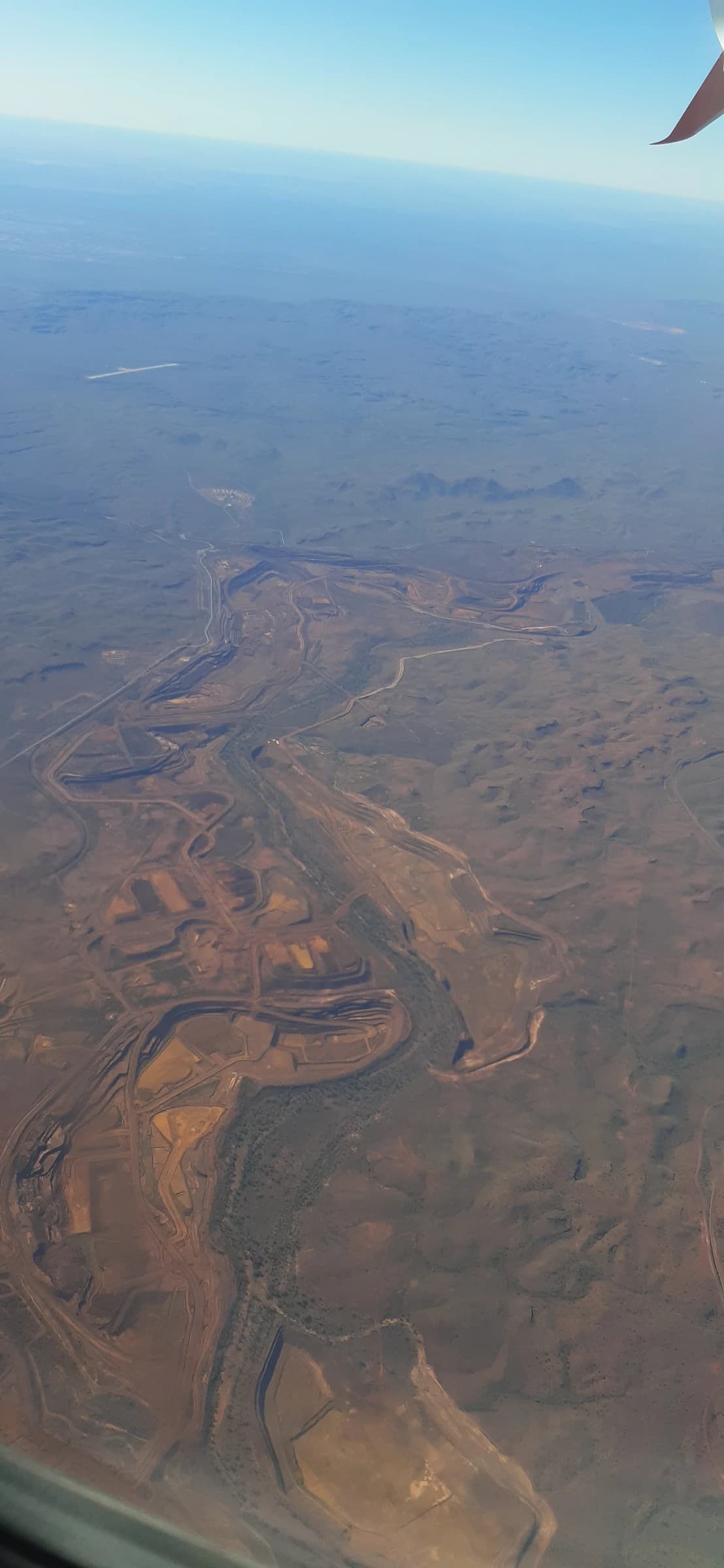
Coal prices fell for a third straight session, marking their steepest drop in more than a month as a global oil rout and soft demand in China pressured the market.
Coal Prices Fall as Oil Slides and China Softens
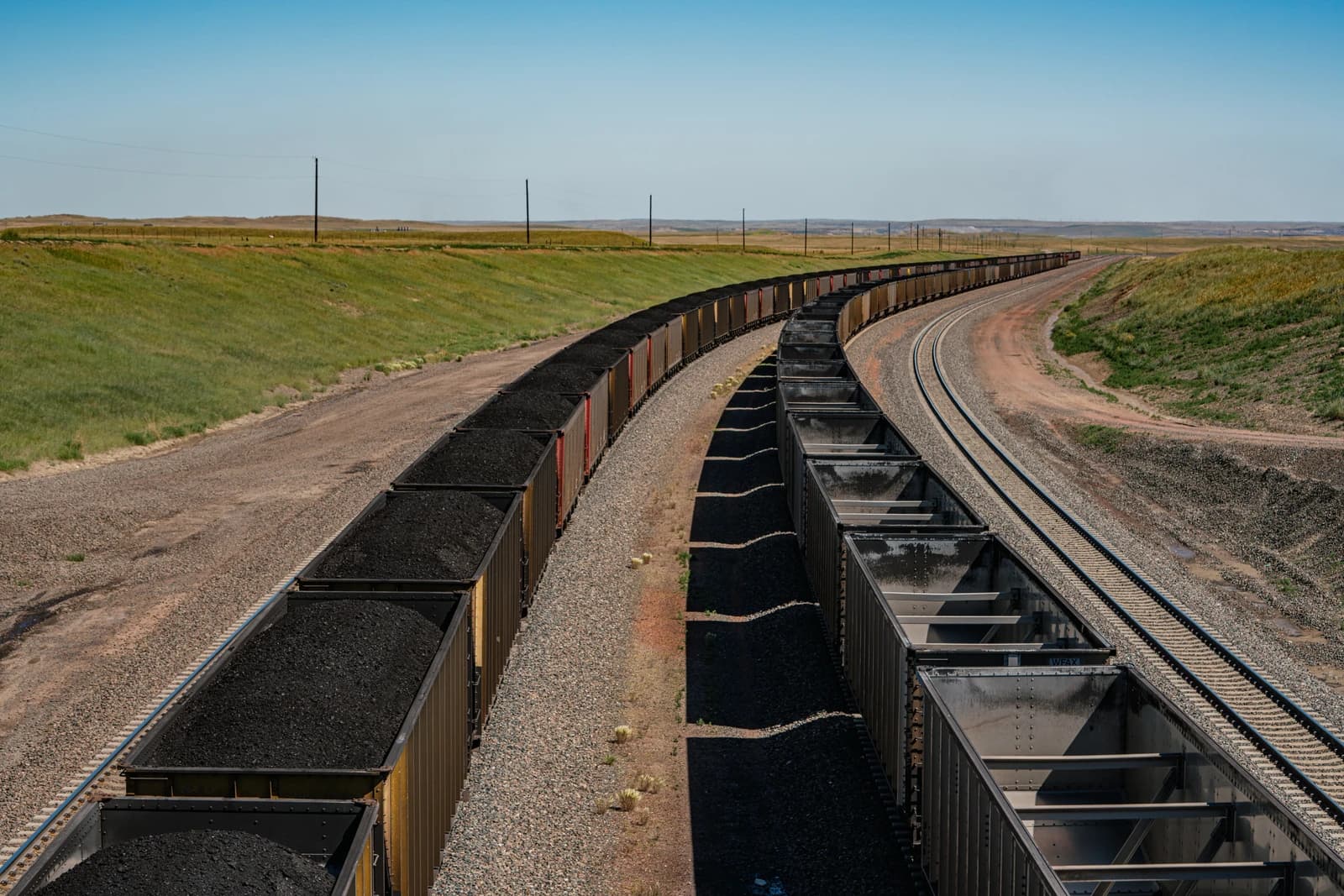
The benchmark price ended at $145.15 a ton on Wednesday, down 1.6% on the day and 4.8% over the three-day slide, its lowest close since Sept. 25. The selloff matters because coal remains a key input for power generation and steelmaking, and sharp swings in fuel prices quickly feed into electricity costs, industrial margins and trade flows across Asia.
Sentiment Indicators
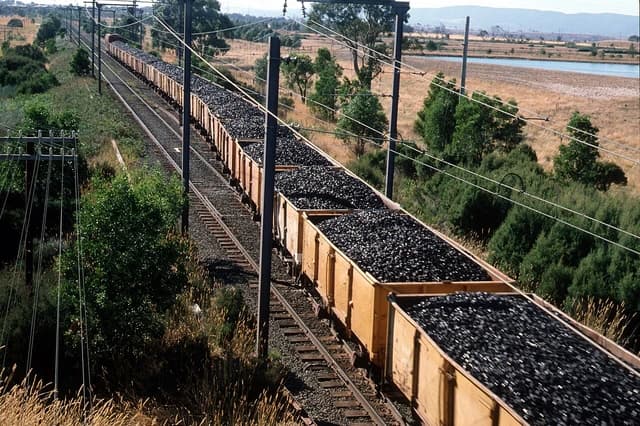
The latest move tracks an 8% plunge in crude oil, which dragged energy markets lower more broadly and reinforced coal’s role as a substitute fuel. In China, the coking coal market remains under pressure as seasonal demand weakens and steel buyers stay cautious, while expectations rise for lower metallurgical coke prices.
Futures are signaling the strain too. China’s main January 2027 coking coal contract settled at CNY1,370 a ton, down CNY13.5 from the previous day, as slower pig iron production and weaker coke plant activity curbed raw-material demand. That said, the downside may be limited by losses at some coke plants and relatively low inventories, which could slow aggressive price cuts.
PPIACO vs DCOILWTICO — macro contextadalytica.com
Explore this data interactively — full history, time series and cross-market comparisons.
Oil WTI
The weakness is hitting seaborne trade as well. India, the world’s second-largest coal importer, cut shipments 7% in the January-to-October period as higher import costs, driven by a weaker rupee and firmer coal prices earlier in the year, restrained buying. The pullback adds pressure on exporters and shipping markets, especially the supramax segment, where coal cargoes to India fell 16% year on year.
Australia’s export data showed a mixed picture, with thermal coal shipments up 2% in the first 10 months of 2026 even as coking coal exports to India fell and sales to China jumped. That underscores how demand is shifting by grade and destination rather than collapsing outright, leaving the market vulnerable to sharp regional swings.
For investors, the immediate read-through is bearish for coal-linked commodities and more nuanced for miners: weaker spot pricing can squeeze merchants and higher-cost producers, while low inventories and uneven demand may keep the floor from breaking quickly. Traders will now watch whether China’s steel cycle stabilizes and whether oil’s retreat extends the pressure into the rest of the energy complex.
| Entity | Gains | Losses |
|---|---|---|
| Steel mills | ▲Lower raw-material costs | ▼Possible margin pressure from weak demand |
| Coal miners | ▲Potentially firmer long-term floor | ▼Near-term spot pricing pressure |
| Power generators | ▲Cheaper fuel input | ▼Demand volatility in supply chain |
| Coal exporters/shippers | ▲Selective Asia demand | ▼Lower cargo volumes to India |