Iron ore climbed to its highest level in a month as a rebound in Chinese stocks improved risk appetite and traders bet that Beijing will keep propping up growth, lifting shares in major miners even as India moved to speed up mining approvals.
Iron ore rises as Chinese stocks rebound
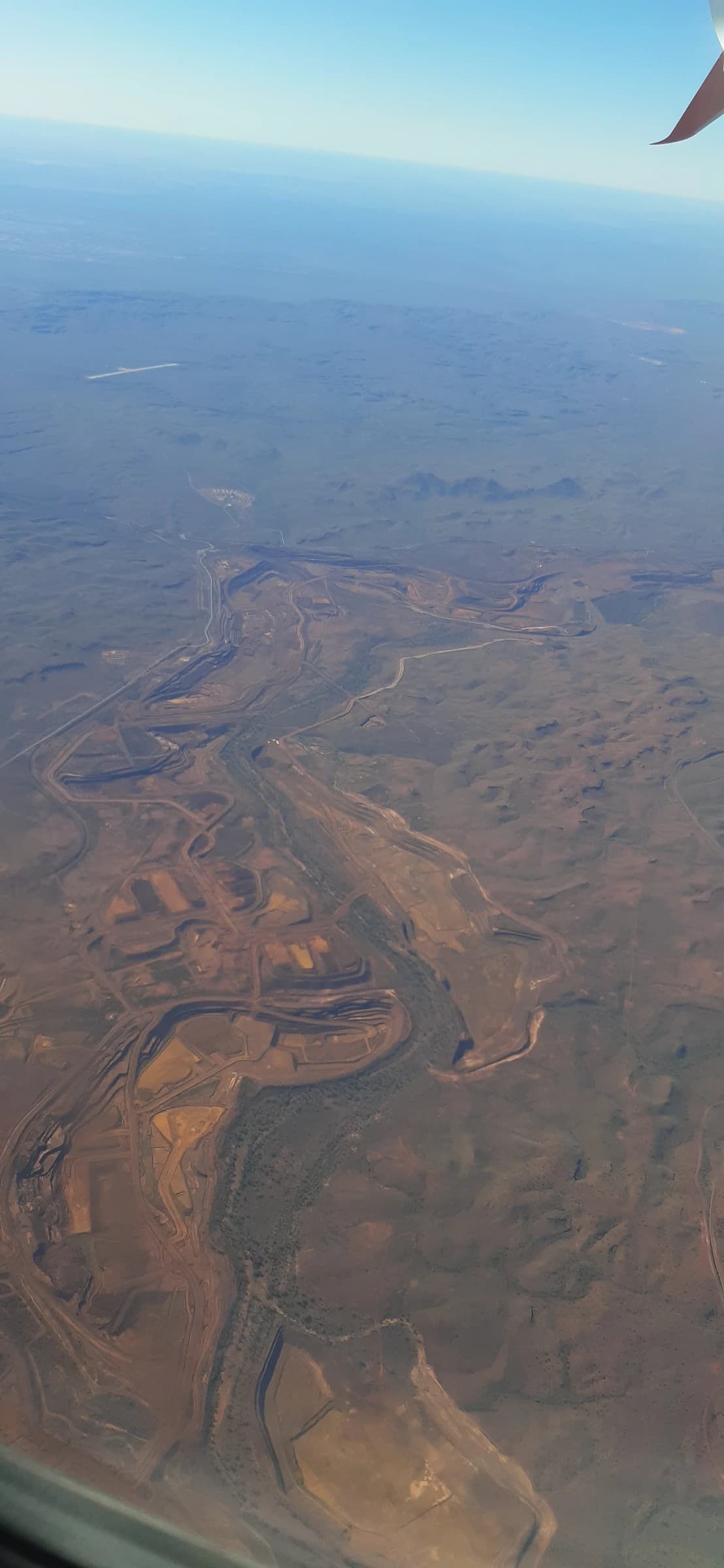
The move matters because iron ore is tightly tied to China’s industrial cycle, property activity and infrastructure spending, making it a fast-moving gauge of demand expectations. When Chinese equities recover, investors often read that as a sign that policy support is working, and that ripples through metals markets, export earners and mining stocks from Australia to Brazil.
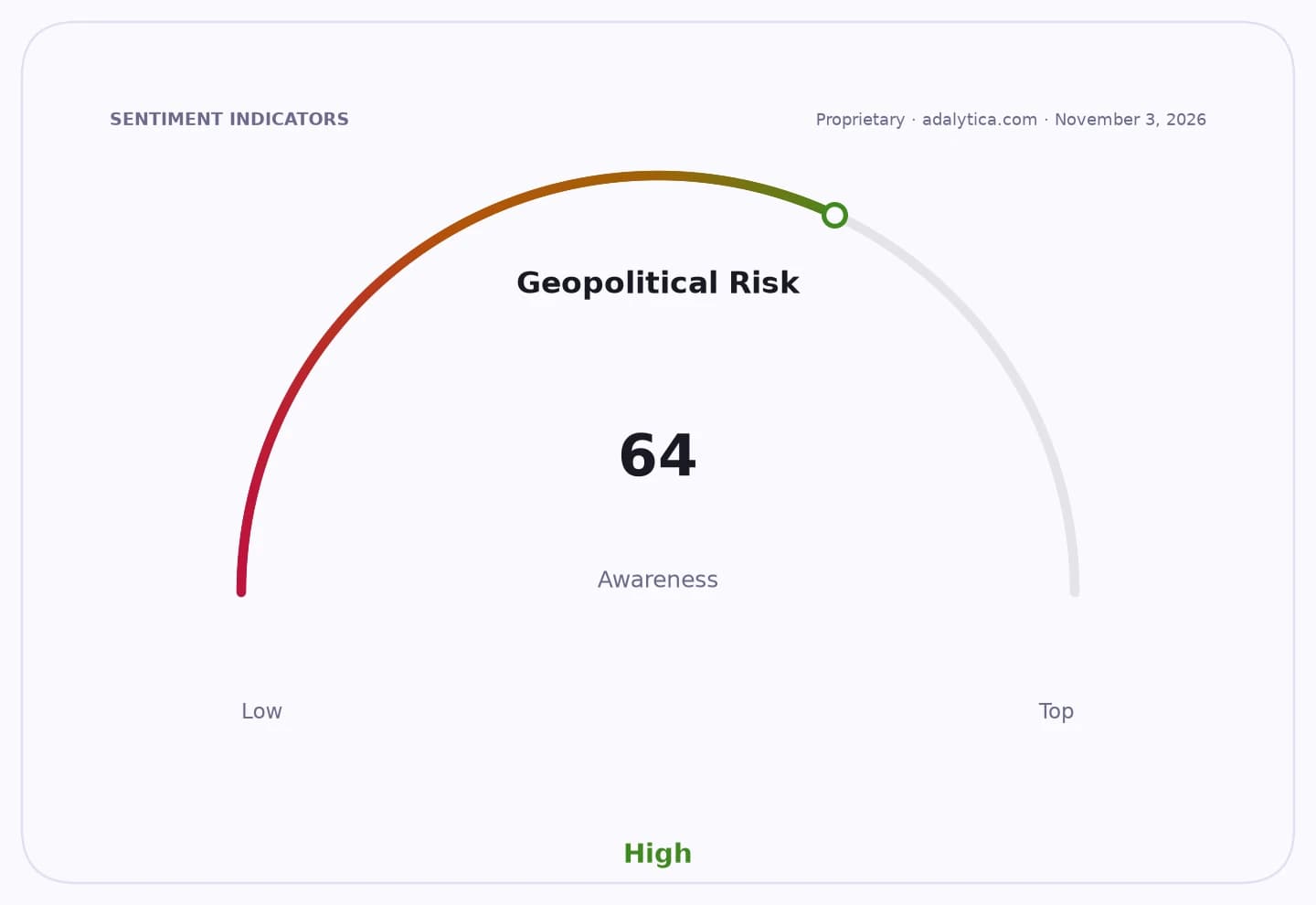
Sentiment Indicators
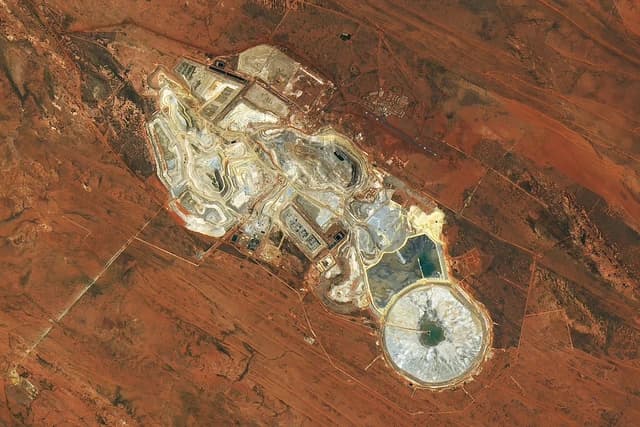
Rio Tinto and BHP both held near recent levels after sharp swings in the past week, while Vale remained under pressure following a steep year-to-date decline. Rio Tinto closed at $83.73 on Nov. 6, with its 50-day moving average at $93.17 and RSI at 35.2, while BHP ended at $79.89, below its 50-day average of $84.85, signaling the sector is still trading well under recent peaks despite the commodity bounce.
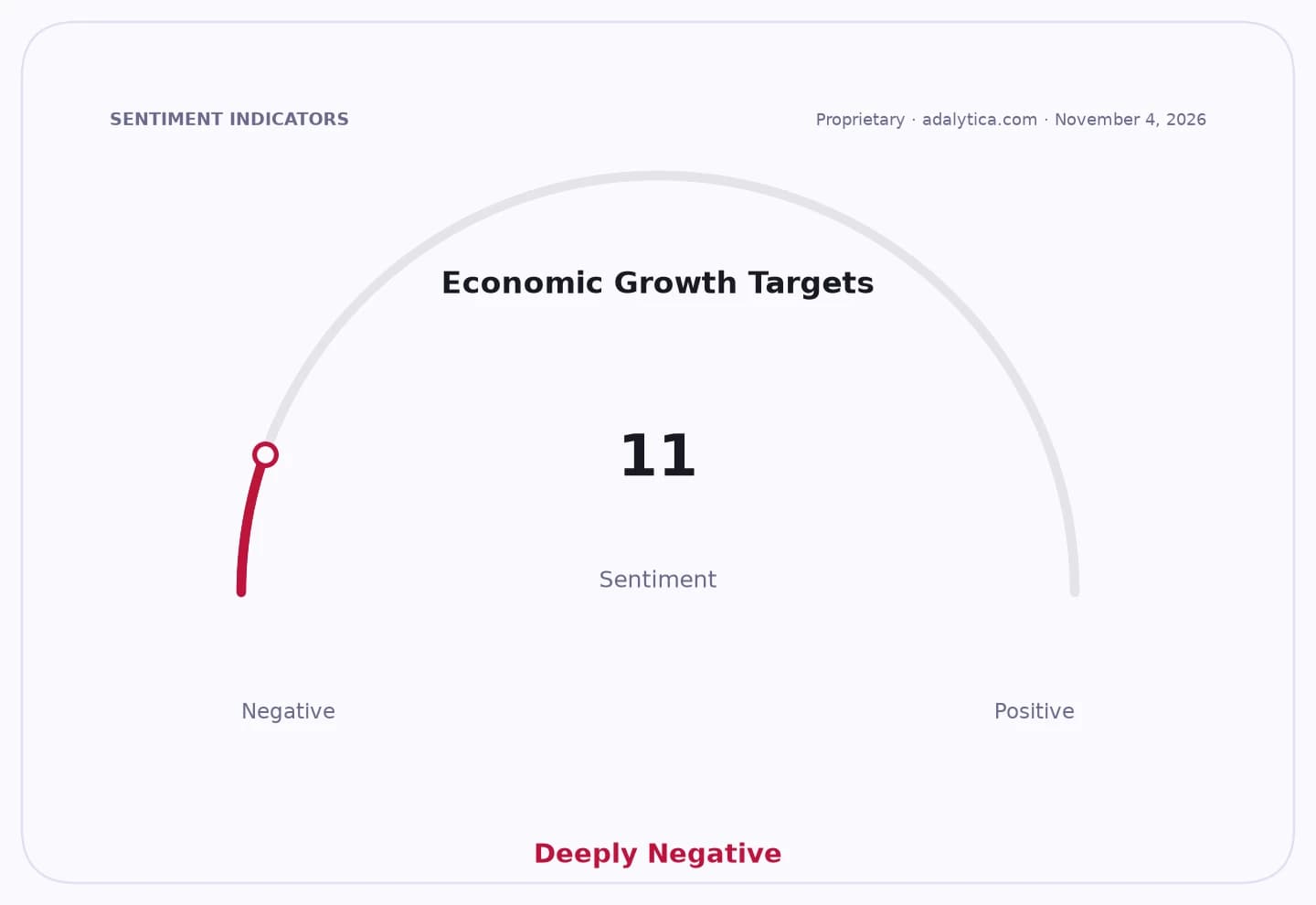
The improvement in Chinese market sentiment is the key driver for iron ore. Adalytica’s Chinese yuan trade snapshot shows awareness at an “Extreme Greed” 86, while the growth-target gauge remains in “Fear” territory, highlighting how investors are still trading policy hopes rather than a clear demand recovery. That gap helps explain why iron ore can rally on sentiment before hard data confirms a sustained pickup.
For miners, higher iron ore prices can quickly improve cash flow expectations, especially for producers with large seaborne exposure such as Rio Tinto, BHP and Vale. For steelmakers and importers, the same move raises raw-material costs and can squeeze margins if finished steel demand does not follow through.
The broader backdrop is still mixed. India’s Union mines minister has pledged reforms to streamline environmental and forest clearances, a move that could eventually lift domestic output and investment, but that is more a medium-term supply-side development than an immediate market driver.
For now, the next catalyst is whether Chinese policy support turns into firmer credit demand, construction activity and steel output. If it does, iron ore could extend the rally; if not, the move risks fading back into the same volatility that has defined the market for much of the year.
| Entity | Gains | Losses |
|---|---|---|
| Iron ore miners | ▲Higher realized prices | ▼Buyers facing cost pressure |
| Chinese stocks | ▲Better risk sentiment | ▼Short sellers |
| Steelmakers | ▲— | ▼Higher input costs |
| Australian and Brazilian exporters | ▲Stronger revenue outlook | ▼Margin squeeze if demand stalls |