Iron ore is bouncing back on short-covering and expectations that Chinese mills will top up inventories before holidays, giving miners a short-term reprieve after weeks of pressure from weak steel demand and negative import margins.
Iron Ore Rebounds on China Restocking

The move matters because iron ore sits at the center of China’s industrial cycle: when mills restock, it ripples through steel prices, freight, port inventories and the earnings outlook for the world’s biggest diversified miners. Even a brief rebound can reset trading momentum in a market that had been leaning too bearish on China.
Sentiment Indicators
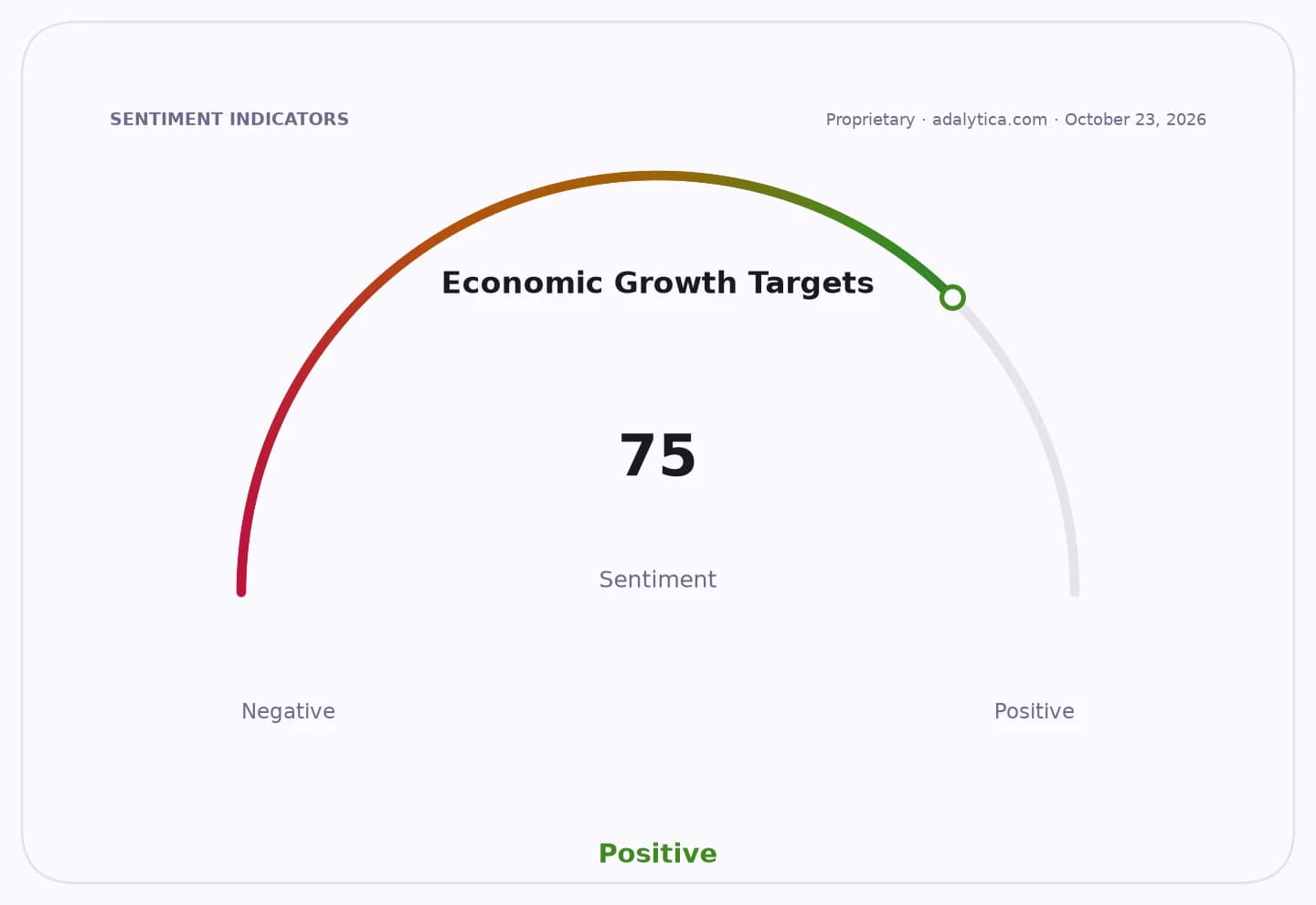
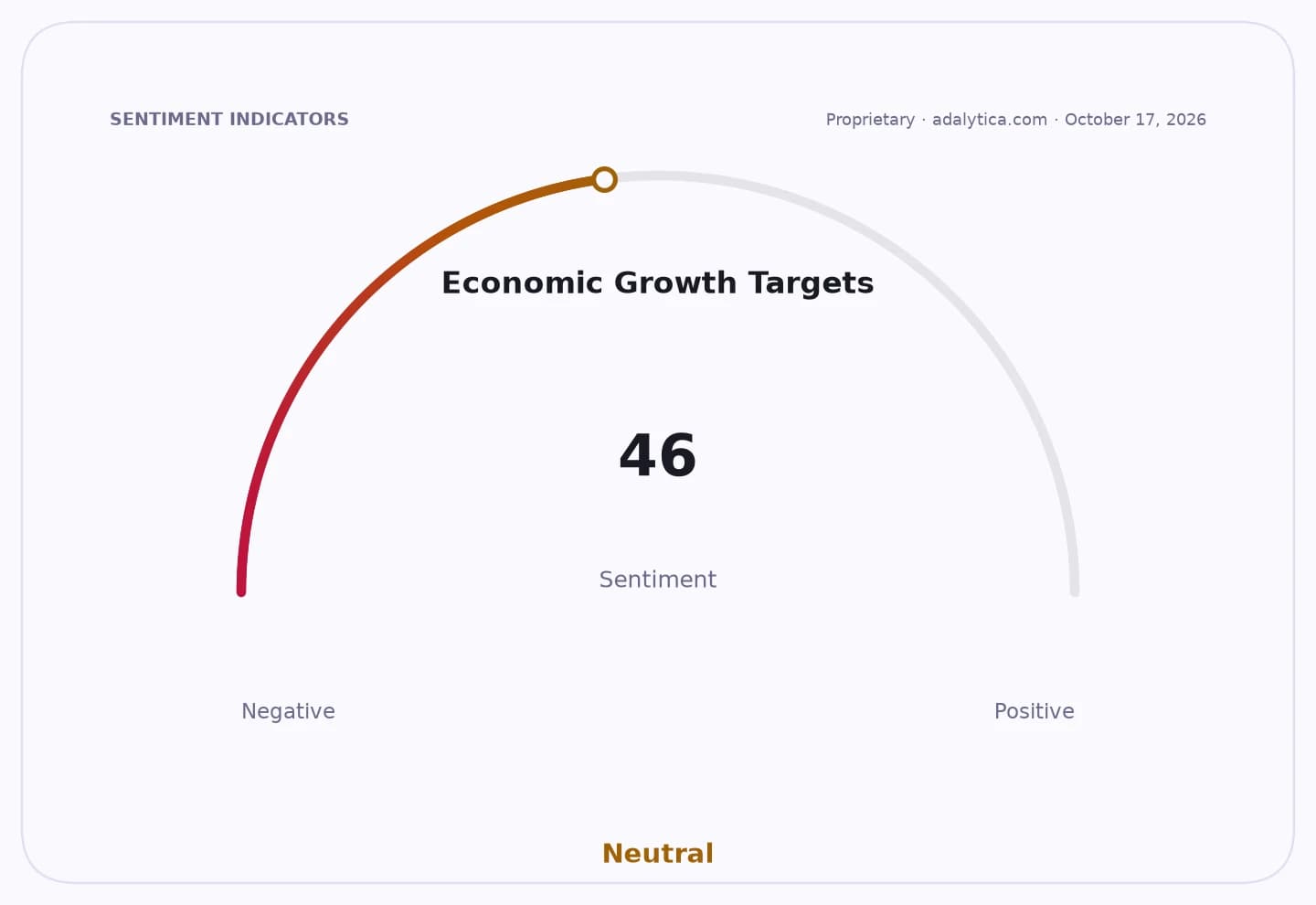
Economic Growth Targets
That’s why the price action is feeding directly into the shares of Rio Tinto, BHP and Vale, which have all been volatile as traders reposition around the next turn in Chinese demand. Rio closed at $83.16 after touching an RSI reading of 31.9, while BHP ended at $78.58 and Vale at $11.45, both still below their 50-day moving averages, showing the market has not yet fully priced in a durable recovery.
The underlying macro picture is mixed. China’s industrial production is still growing, with the latest reading at 103.95, but demand signals from steel remain soft enough to keep imported iron ore margins negative at minus 3.09 yuan per metric ton. That means any rebound is being driven less by a clean demand recovery than by tactical buying, short covering and seasonal inventory management — a fragile setup, but one that can still move prices sharply in the near term.
For investors, that creates an asymmetric trade. The market underestimates how quickly iron ore can snap higher when Chinese restocking meets thin positioning, yet it also underestimates how fast the move can fade if downstream steel demand does not improve. The winners in the near term are the miners and the freight complex; the losers are steelmakers and traders who were positioned for a one-way decline.
My view: this is still a tradable rebound, not a confirmed secular bottom. But when China restocks ahead of holidays, the first move is often the most violent, and that favors staying aligned with the miners while the market is still debating whether the bounce is real. If iron ore holds these gains into the next round of Chinese buying, the next leg could be larger than consensus expects.
| Entity | Gains | Losses |
|---|---|---|
| BHP, Rio Tinto, Vale | ▲Higher realized prices | ▼Lower margins if rebound fades |
| Iron ore bulls | ▲Short-covering squeeze | ▼Buying too late at the top |
| Chinese steelmakers | ▲Temporary inventory cover | ▼Worse raw-material costs |
| Iron ore shorts | ▲Risk of squeeze | ▼Mark-to-market losses |