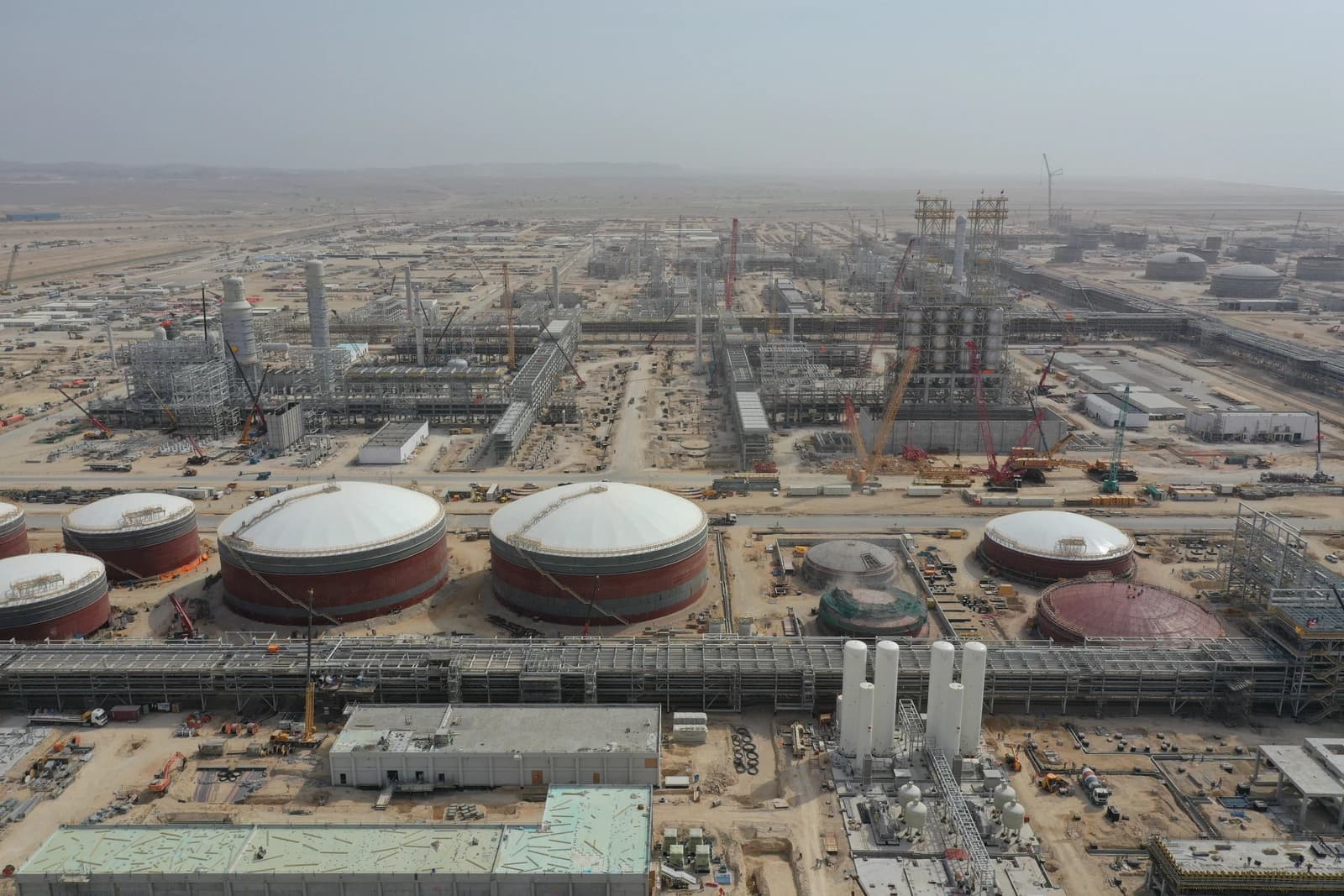
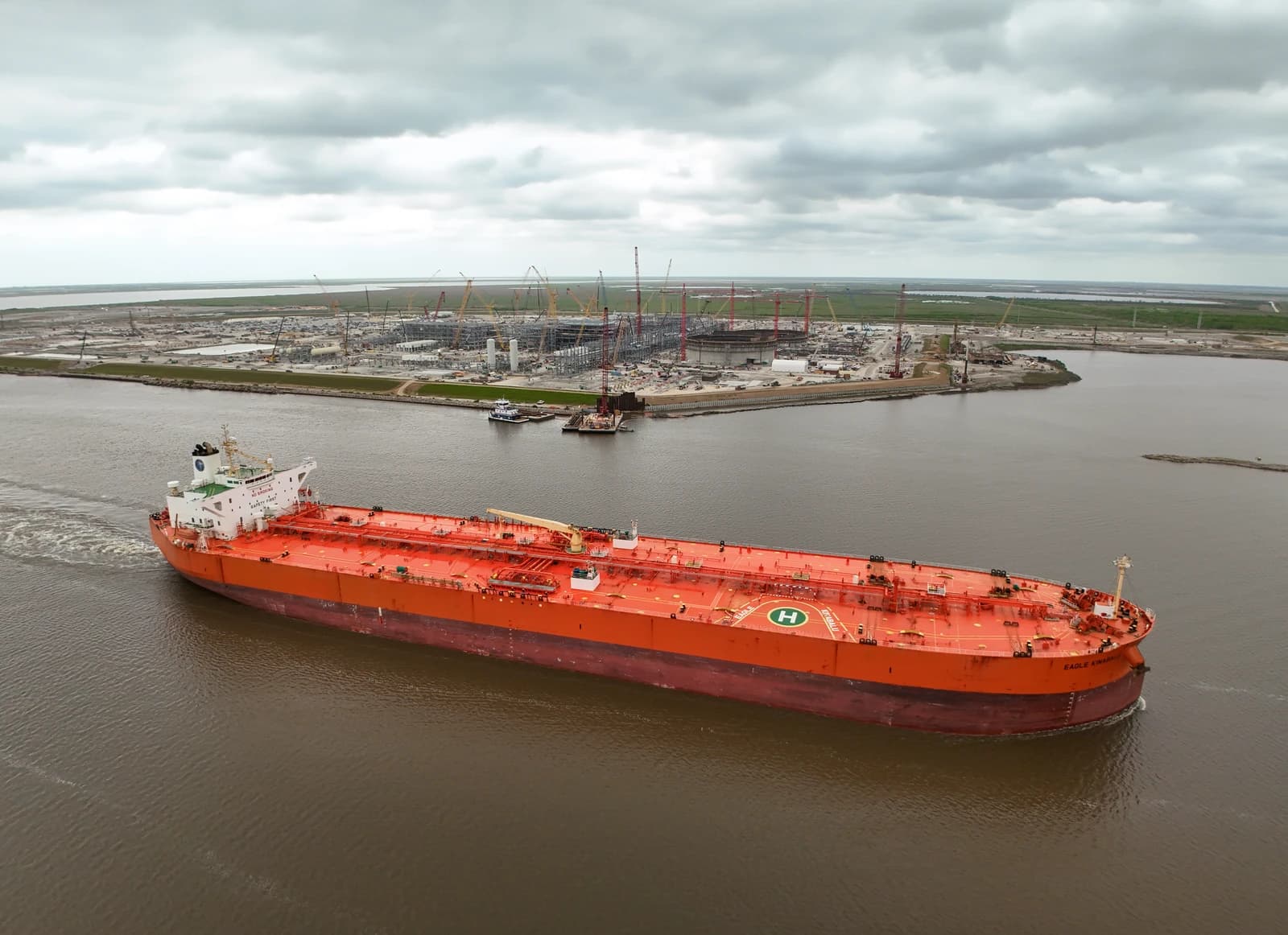
Crude oil’s sharp slide is easing pressure on India’s fuel bill, with petrol and diesel prices left unchanged even after Brent dropped about 9% in two days.
India Fuel Prices Stay Flat as Brent Drops
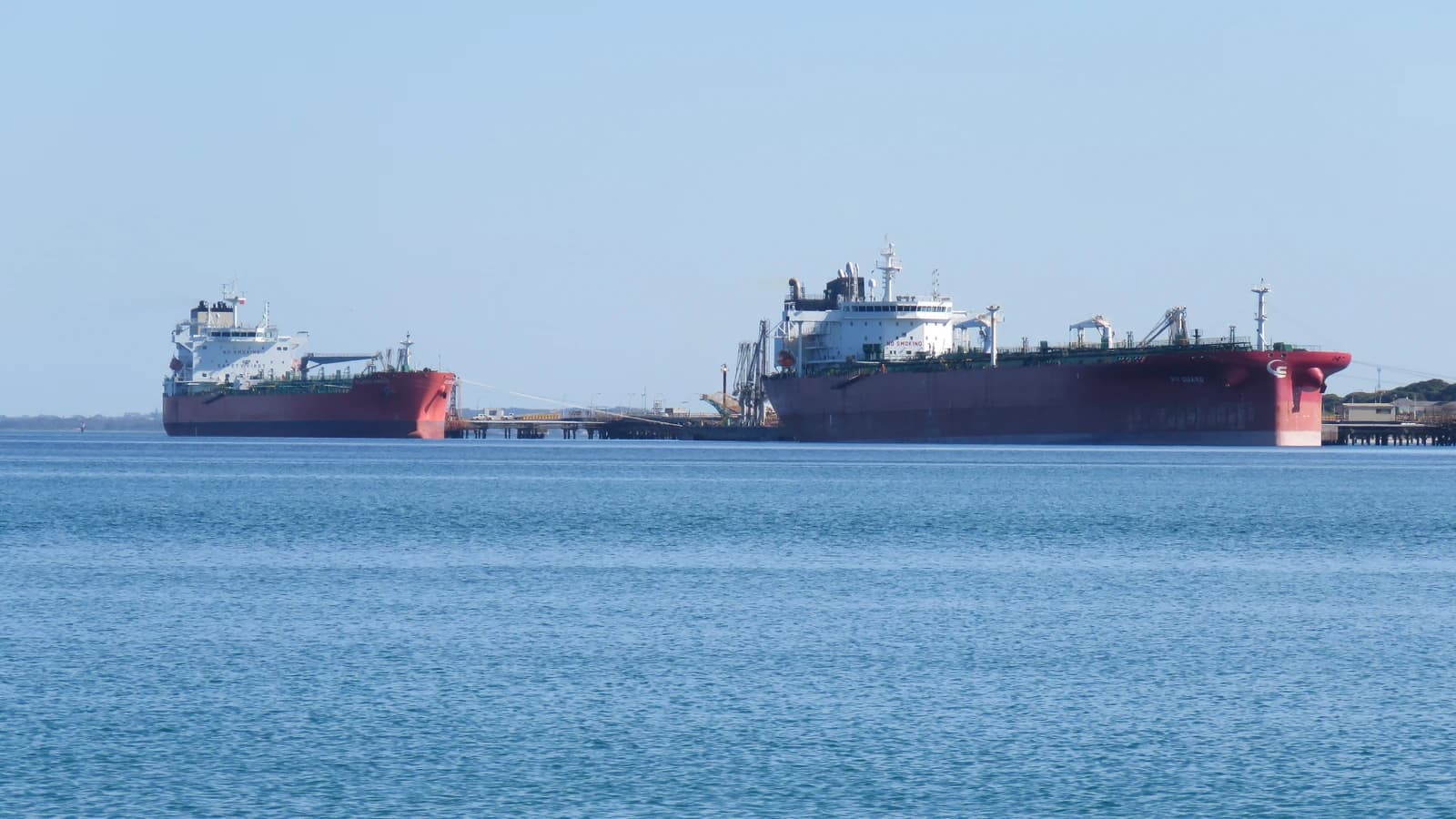
Brent crude, which had climbed to as high as $117 a barrel last month, was trading around $104.54 a barrel on Nov. 3 after a steep pullback driven by hopes of a thaw in U.S.-Iran relations. For an economy that imports about 85% of its oil needs, the retreat matters because it reduces the risk that refiners and fuel retailers will have to pass through higher costs to consumers.
Sentiment Indicators
The immediate effect for motorists is stability at the pump. In Delhi, petrol remained at ₹102.12 a litre and diesel at ₹95.20, while premium grades XP95 and XP100 were priced at ₹109.24 and ₹167.35, respectively. Rates were also unchanged in other major cities including Noida, Faridabad, Gurugram, Lucknow, Patna, Jaipur, Chandigarh, Dehradun and Shimla.
Lower crude typically helps India’s current account by trimming the import bill and can also ease inflation pressures if the decline persists. That is especially relevant after oil’s recent surge, which had raised concern that domestic fuel prices could eventually be forced higher.
Energy-linked markets reflected the swing in crude. USO, an oil ETF that tracks U.S. crude exposure, slipped after a run-up that pushed it well above its 50-day moving average, while broader energy stocks remained sensitive to every move in oil. Brent-linked BNO also traded lower, underscoring how quickly sentiment can turn when geopolitical risk premium fades.
For investors, the key question now is whether the crude drop is temporary relief or the start of a broader reset in energy prices. The next move will likely hinge on diplomatic headlines from the U.S. and Iran, as well as any fuel pricing review by Indian refiners and state-run retailers.
| Entity | Gains | Losses |
|---|---|---|
| Indian consumers | ▲Stable fuel bills | ▼Less upside from oil-linked sector gains |
| Indian refiners and fuel retailers | ▲Lower import-cost pressure | ▼Weaker pricing leverage |
| Oil importers, including India | ▲Smaller import bill | ▼— |
| Crude producers/OPEC-linked exporters | ▲— | ▼Softer revenue per barrel |