India’s imports of Russian crude fell 13% in September, the second straight monthly drop, as a jump in global oil prices and shipping disruption from Middle East conflict made discounted barrels less attractive and more difficult to move.
India Russian Crude Imports Fall 13% in September
The decline matters because India has been one of Moscow’s most important crude customers since the war in Ukraine rerouted trade flows. A pullback in Indian buying, even if modest, shows how geopolitical shocks in one part of the world can reshape energy trade far beyond the conflict zone. It also underscores that India’s refiners remain price-sensitive: when freight costs rise and supply routes are strained, the economics of heavily discounted Russian oil can deteriorate quickly.
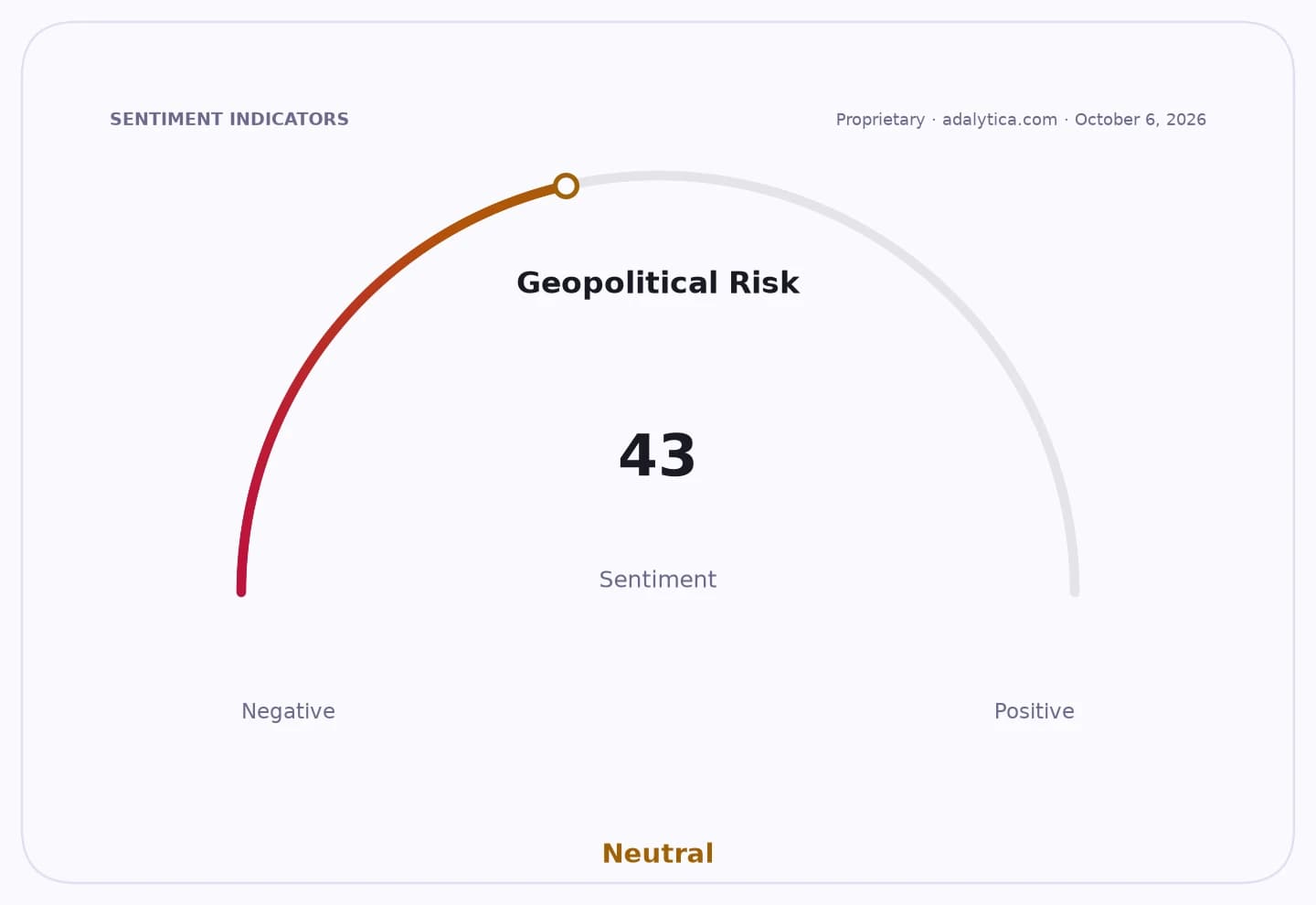
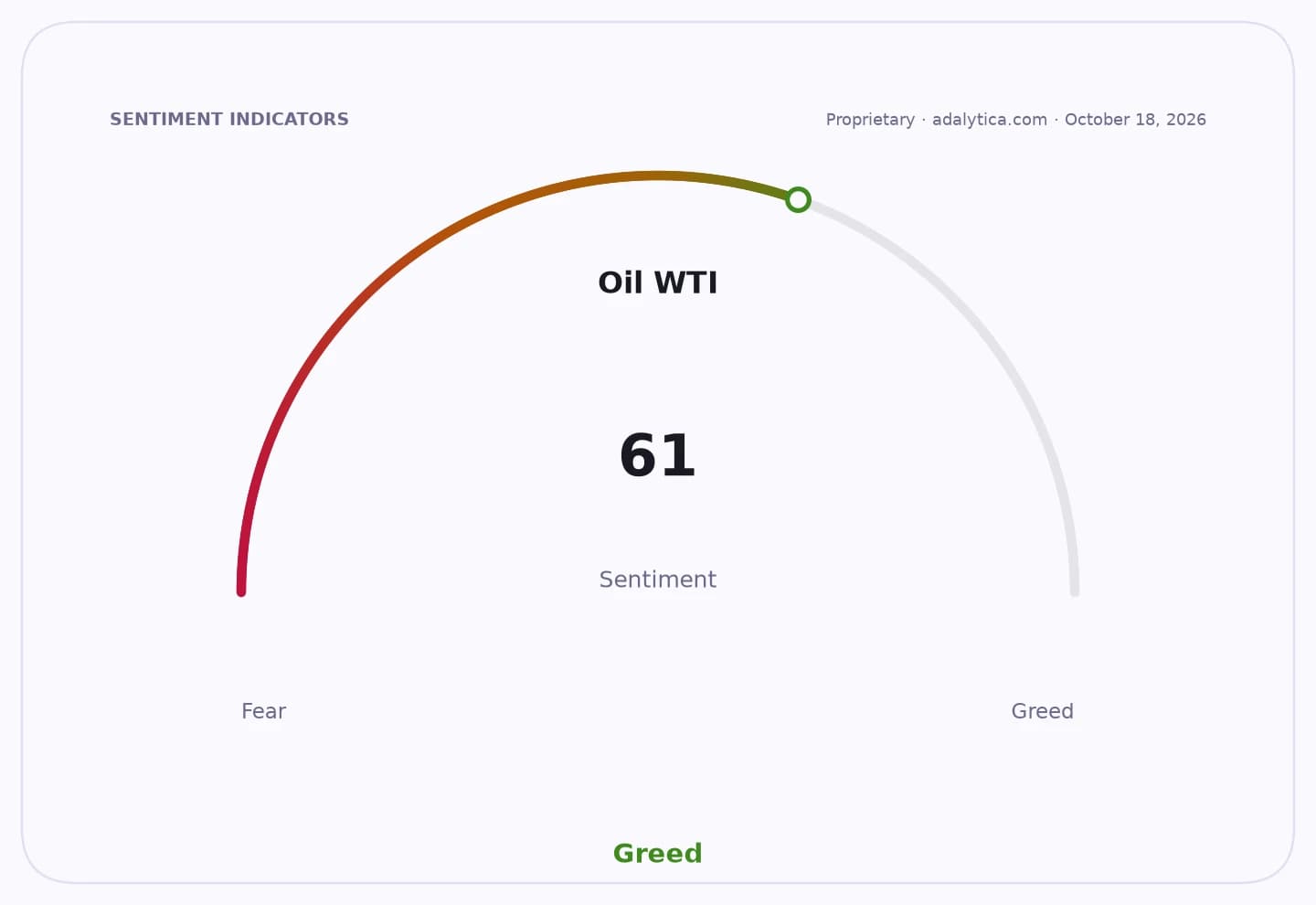
Sentiment IndicatorsⓘProprietary · adalytica.com · October 21, 2026
This is a snapshot — live sentiment, awareness and momentum for 130+ markets update continuously in the dashboard.Open AlphaPulse
According to the Centre for Research on Energy and Clean Air, Russian crude volumes into the Reliance-operated Jamnagar refinery fell 27%, while Indian Oil Corp’s Paradip plant cut purchases by 21% and Nayara Energy’s Vadinar refinery reduced intake by 8%. September was the lowest month for India’s Russian crude imports since April, suggesting the weakness was broad-based rather than confined to a single buyer.
The report said India was Russia’s second-largest fossil fuel buyer in September, importing 4.1 billion euros worth of Russian hydrocarbons, 88% of it crude. Since December 2022, India has taken 37% of Russia’s crude exports, behind China’s 50%, highlighting how central the trade has become for Moscow’s revenue base and for India’s refining economics.
The backdrop was a powerful rise in oil prices. Urals crude averaged $90.7 a barrel in September, according to CREA, the highest monthly average since April and well above the EU and UK price cap level cited in the report. Global prices stayed elevated even as more oil moved through the Strait of Hormuz, because volumes remained below pre-strike levels and shipping costs stayed high. India’s import bill rose 46% in September to $15.4 billion, showing that lower Russian volumes did not translate into cheaper imports overall.
For investors, the immediate read-through is twofold. Refiners that had been leaning on discounted Russian supply face margin pressure if the price advantage narrows while freight and insurance costs climb. At the same time, energy markets remain highly reactive to geopolitical risk: a disruption in the Middle East can lift Brent-linked benchmarks, tighten physical differentials and keep U.S. crude-linked funds such as USO and energy equities supported even if demand growth is soft.
There is also a policy overhang. Trump’s executive order waiving sanctions and tariffs tied to Russian oil exports removes an immediate threat to India and China’s buying behavior, but it does not eliminate market risk. The bigger issue is whether elevated seaborne prices and transport constraints continue to squeeze the arbitrage that had made Russian crude so compelling for Asian refiners.
The near-term outlook depends on whether Middle East shipping lanes stabilize and whether Russian barrels retain enough discount to offset higher logistics costs. If they do not, India’s imports from Russia could stay subdued even with political permission to keep buying.
| Entity | Gains | Losses |
|---|---|---|
| Russian exporters | ▲Higher dollar revenue | ▼Lower India volumes |
| Indian refiners | ▲Sanctions relief | ▼Higher import costs |
| Oil producers | ▲Stronger crude prices | ▼Demand-sensitive buyers |
| U.S. energy stocks | ▲Price support | ▼Fuel-cost pressures |