Big-cap technology is still doing the heavy lifting for equity markets, and even value-oriented exchange-traded funds are now carrying more of that exposure, underscoring how concentrated the market’s next leg depends on Nvidia, Microsoft and the broader AI stack.
Big Tech Drives Market; Nvidia Capex Rises

The shift matters because it shows how difficult it has become for investors to stay diversified without surrendering performance. The Nasdaq-100 remains close to record territory, while the technology sector ETF XLK has rebounded sharply from its summer lows, closing at 185.69 on Aug. 28 after trading as low as 127.35 in late March. That recovery has come alongside technical strength: XLK is back above its 50-day and 200-day moving averages, even after a brief pullback from an overbought reading earlier in the quarter.
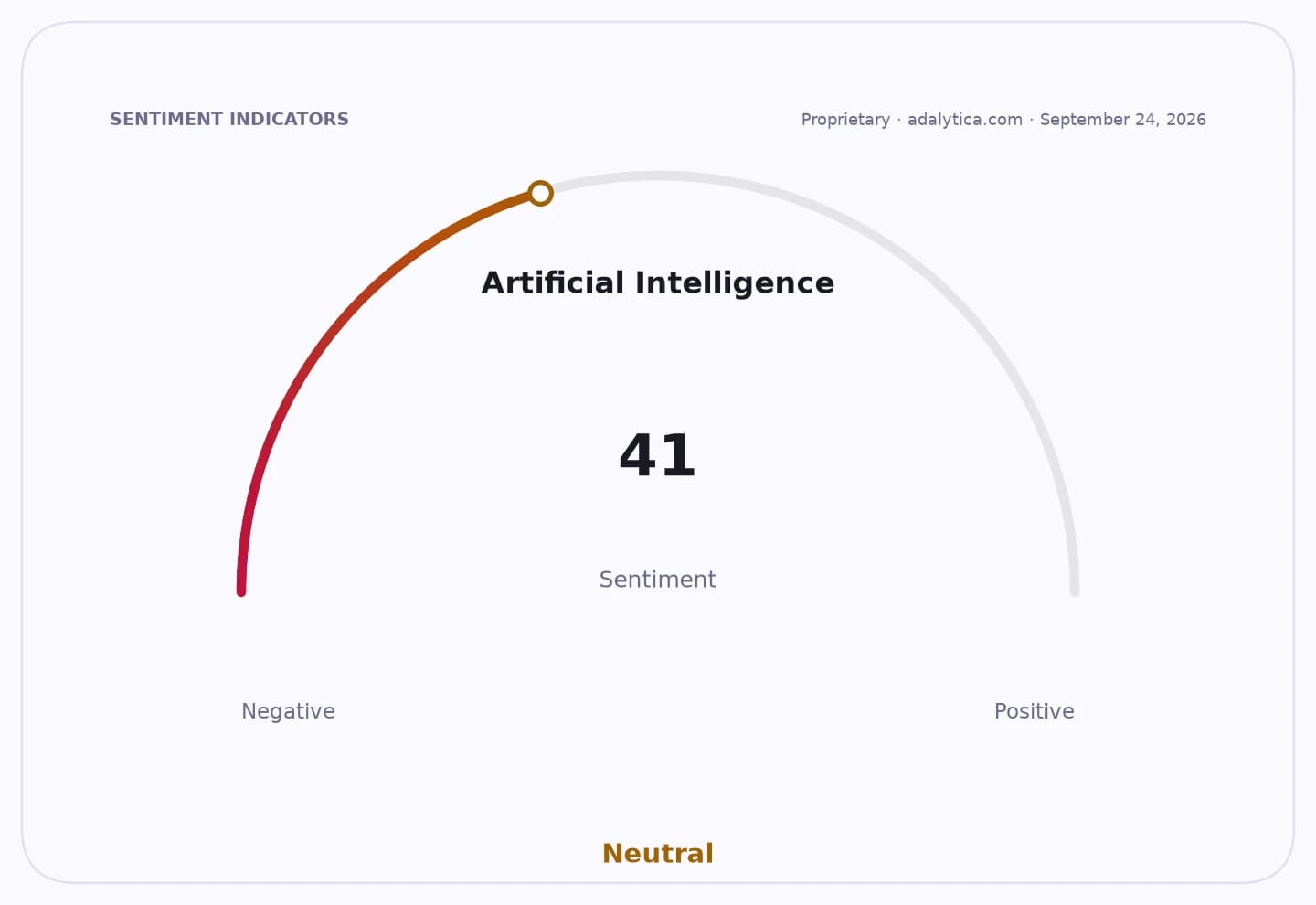
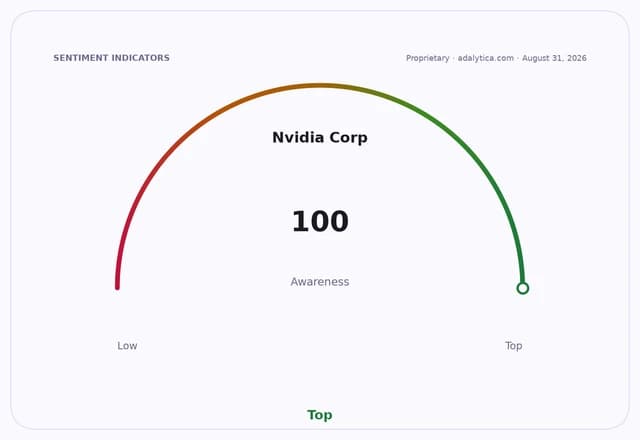
Sentiment IndicatorsⓘProprietary · adalytica.com · August 31, 2026
This is a snapshot — live sentiment, awareness and momentum for 130+ markets update continuously in the dashboard.Open AlphaPulse
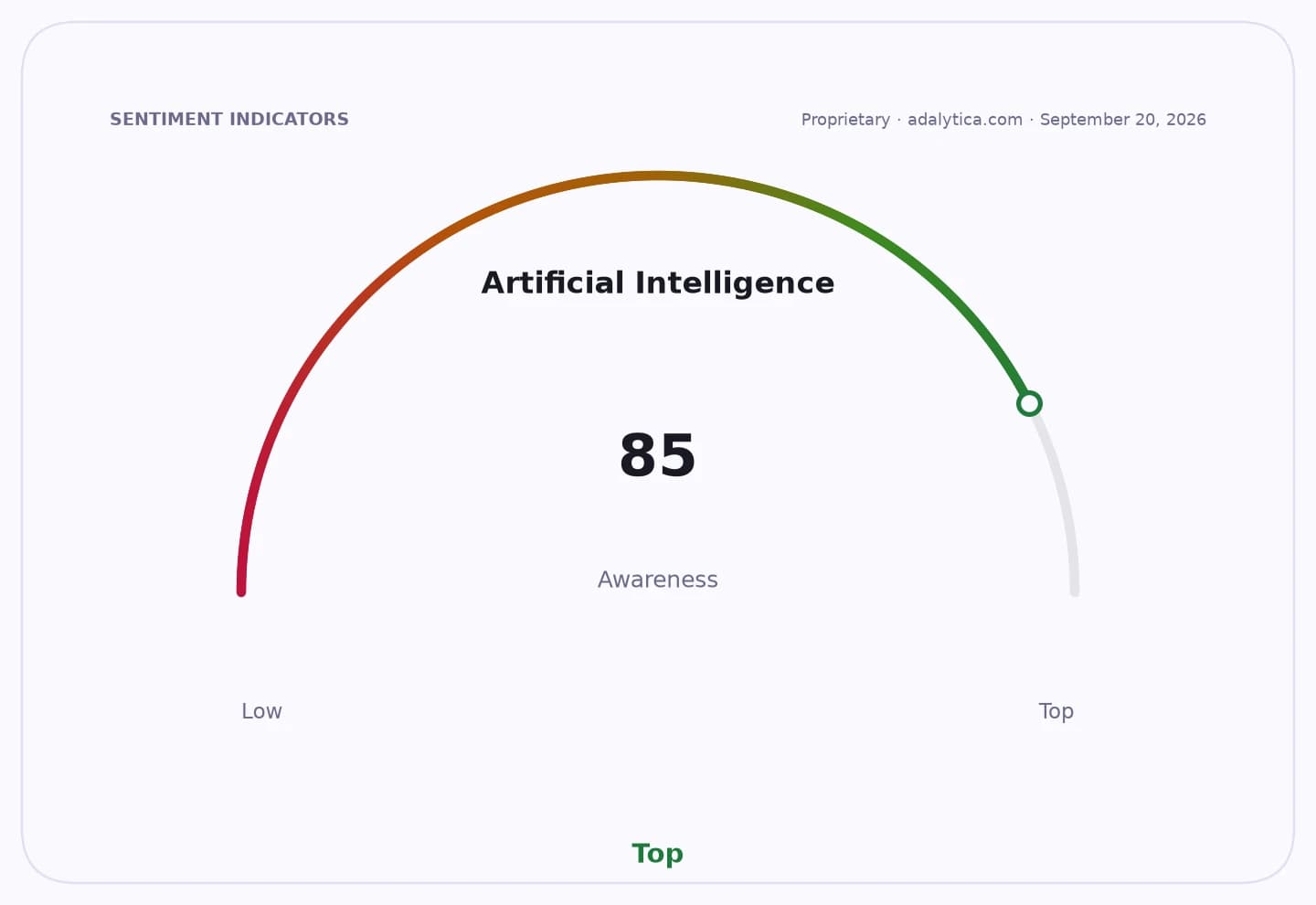
For investors, the key point is that the market’s leadership is narrowing again just as expectations around artificial intelligence spending remain elevated. Nvidia’s latest filings point to a company still committing heavily to future supply and capacity, with those commitments rising to $279 billion from $119 billion in the prior quarter, a sign that demand for AI infrastructure remains intense. Adalytica’s proprietary NVDA earnings sentiment snapshot shows neutral sentiment but extreme awareness, suggesting investors are highly focused on the stock even as conviction remains mixed.
That combination helps explain why so-called value products are no longer immune from the AI trade. In practice, many broad or value-tilted portfolios are pulling in more mega-cap tech simply because those companies have become such a large share of the market, and because earnings growth elsewhere has been less dependable. The result is that investors looking for “defensive” or “cheap” exposure can still end up owning the same AI leaders that dominate growth benchmarks.
Artificial Intelligence — 30-day sentimentadalytica.com
Explore this data interactively — full history, time series and cross-market comparisons.Open AlphaPulse
The backdrop is also supportive for the software and cybersecurity complex. SAP’s cloud growth has been reinforced by demand from the U.S. tech sector, while cybersecurity names continue to sit inside a structurally expanding market as enterprises spend more on protecting cloud and AI workloads. That helps explain why the cybersecurity outlook remains constructive even as the sector faces pressure from cautious customers and higher scrutiny of spending.
Still, the bull case has limits. Technical indicators on XLK and QQQ show the rally has cooled from earlier momentum, with recent price action more mixed and RSI readings in neutral territory. That leaves the market dependent on earnings delivery rather than multiple expansion. If Nvidia’s capital spending and partner ecosystem translate into sustained revenue growth, the AI trade can keep supporting both growth and value wrappers. If not, investors who bought broad tech exposure through index products may be left with concentration risk and less cushion than they expected.
For now, the message from the market is clear: Big Tech is not just leading the rally, it is increasingly embedded across the rest of the equity universe, and that makes Nvidia’s dealmaking and capex trajectory a market-wide catalyst rather than a single-stock story.
| Entity | Gains | Losses |
|---|---|---|
| Nvidia | ▲More AI demand visibility | ▼Higher execution risk |
| Big Tech ETFs | ▲Performance from mega-cap gains | ▼Diversification benefit |
| Value ETF holders | ▲Tech upside exposure | ▼Purity of value mandate |
| Cybersecurity stocks | ▲Cloud and AI security demand | ▼Budget scrutiny from customers |