The European Union is stepping up pressure on Binance, the world’s largest crypto exchange, over the way it serves customers through a legal “reverse solicitation” loophole that regulators increasingly say cannot be used to sidestep MiCA.
Binance Faces EU Scrutiny Over MiCA Loophole
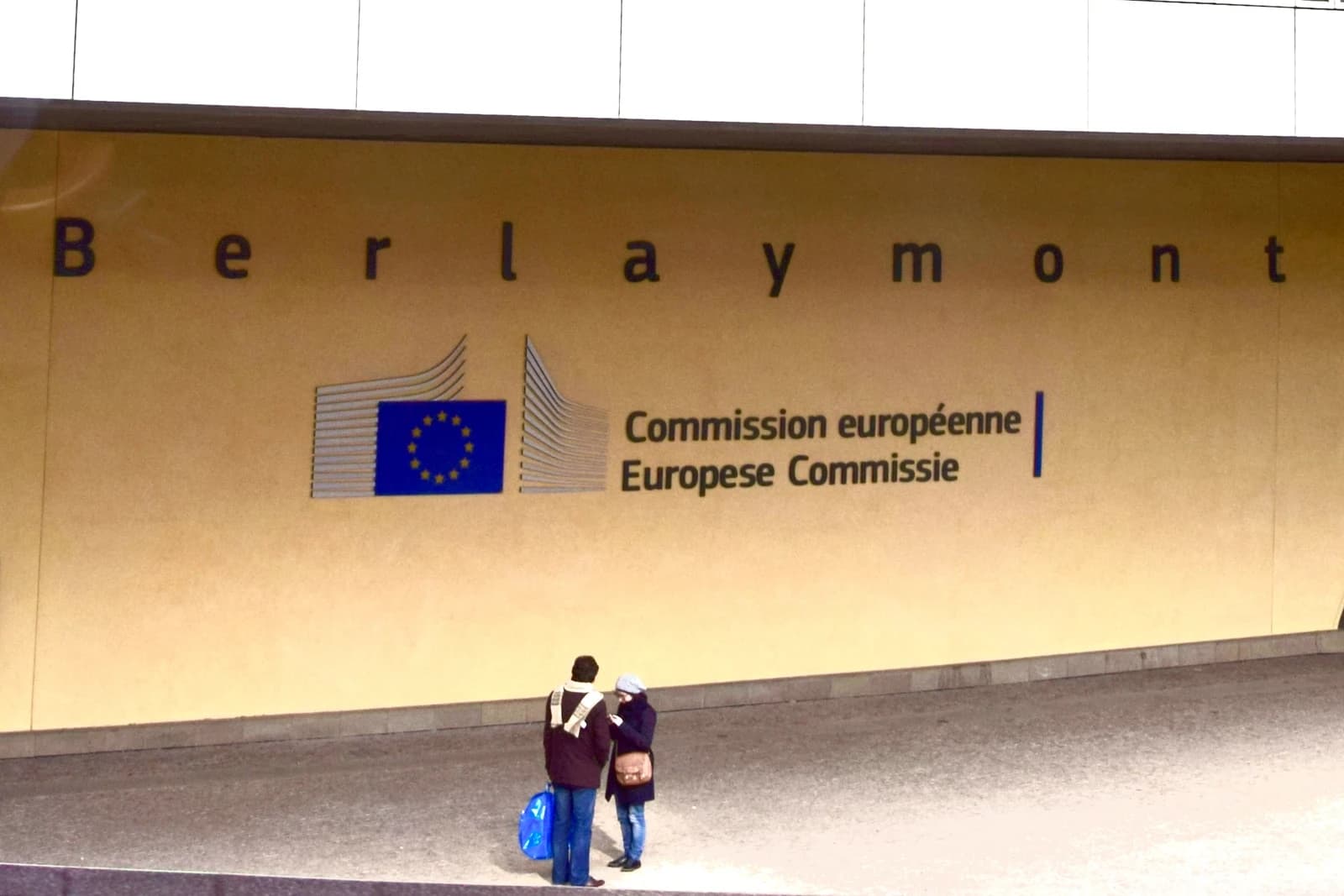
That matters because the dispute goes to the heart of how far Europe’s new crypto regime can reach. If regulators succeed in narrowing the exemption, exchanges outside the bloc would have a harder time servicing EU clients without full authorization, forcing a choice between compliance, retreat or a more fragmented market. For investors, it raises the risk that one of crypto’s most important retail and institutional gateways in Europe could face operating restrictions, heavier legal costs or a slower growth path.
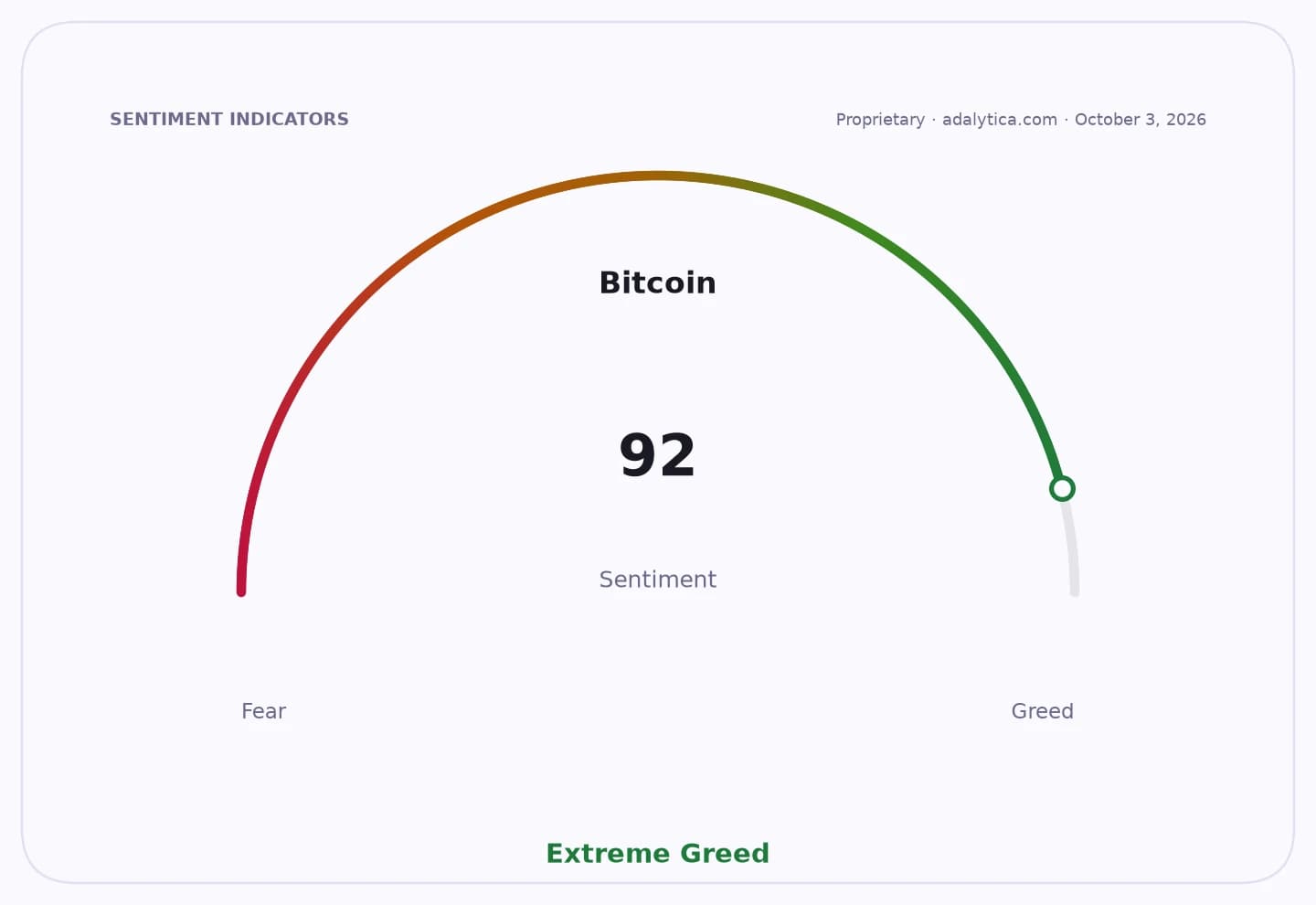
Sentiment IndicatorsⓘProprietary · adalytica.com · October 3, 2026
This is a snapshot — live sentiment, awareness and momentum for 130+ markets update continuously in the dashboard.Open AlphaPulse

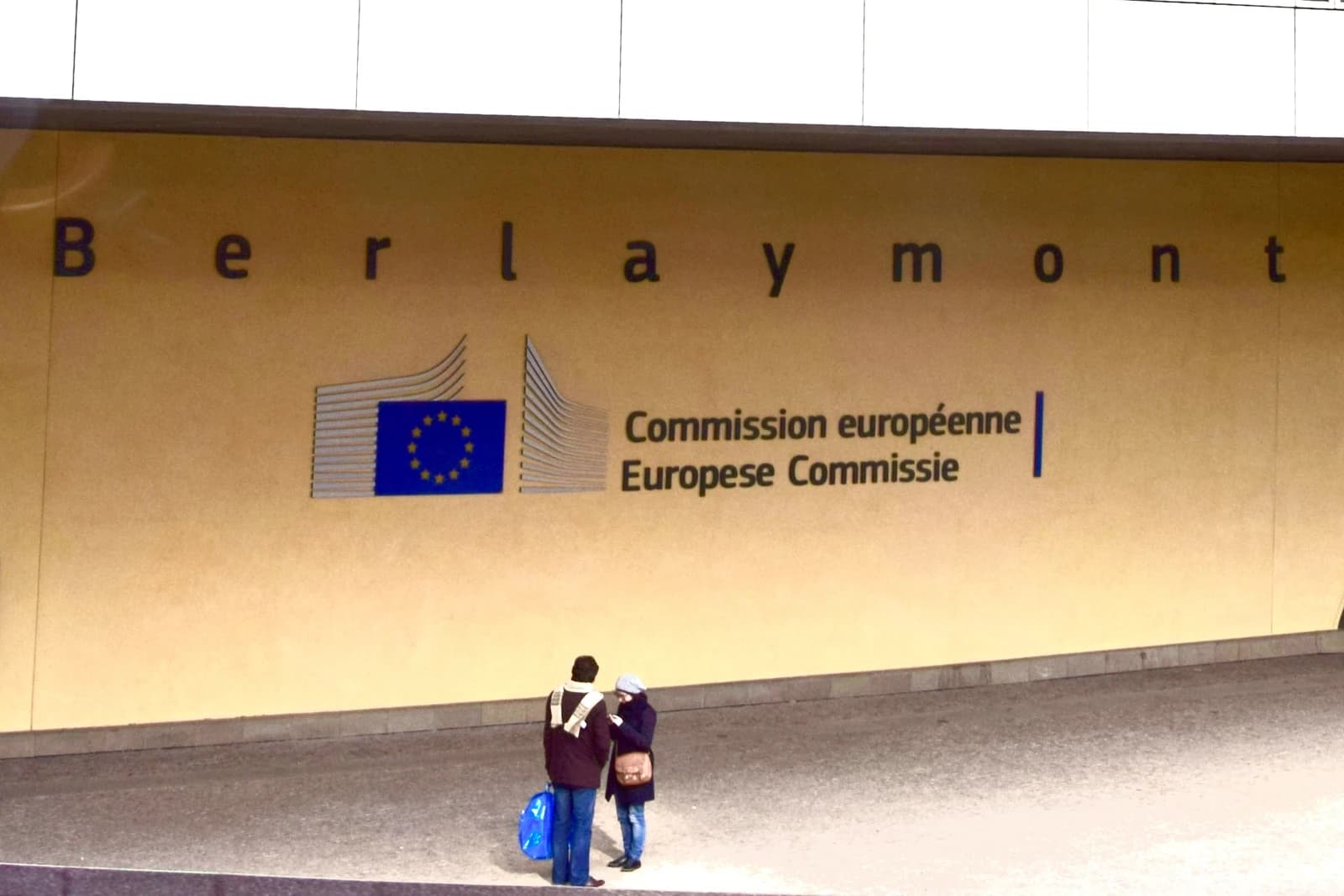
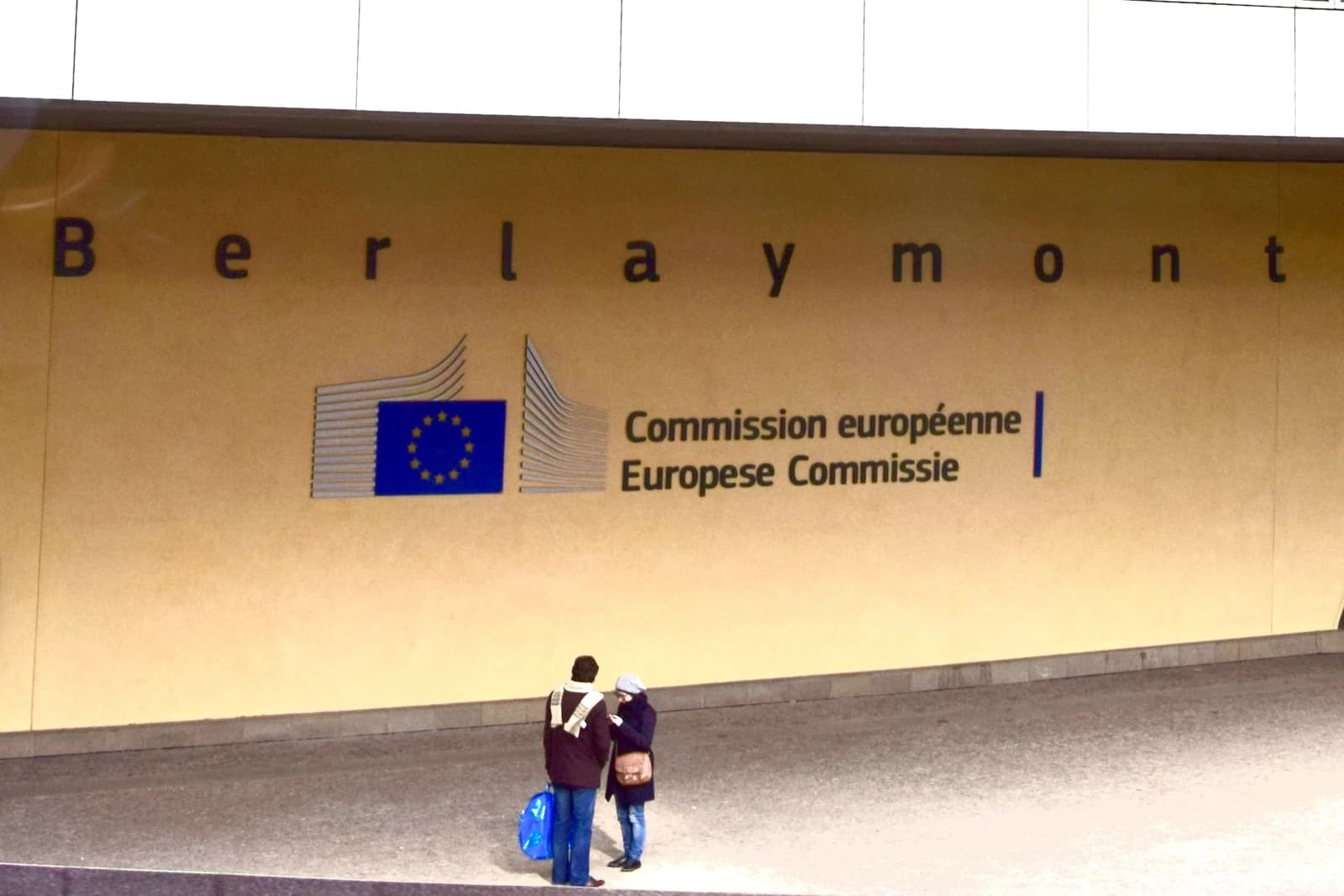
According to the Financial Times, ESMA and regulators in France, Germany and Greece are examining how Binance continues to access European customers after it failed to secure a MiCA licence this summer. The exchange has relied on reverse solicitation, a carve-out meant for customers who approach a foreign provider entirely on their own initiative. Under MiCA, firms are not supposed to advertise or actively solicit EU clients and then claim the exemption.
Regulators appear increasingly unwilling to accept that interpretation. ESMA has said the exception should be construed “very narrowly,” while the Dutch AFM has also said providers cannot simply invoke it as a blanket defense. The political direction is clear: Brussels wants a regime that levels the playing field for compliant exchanges, rather than one that leaves room for the largest offshore players to serve Europe while local firms absorb the cost of licensing, controls and reporting.
The scrutiny comes after Binance’s local permissions in France, Spain and Poland lapsed under the MiCA framework, and after it withdrew an application in Greece before a decision was reached. Binance says it is still working toward MiCA approval, but the fact that multiple national regulators are now looking at the same loophole suggests the issue is no longer just a technical reading of the rules. It is becoming a test case for whether the EU can enforce its new market structure in practice.
The market significance is broader than one exchange. Binance remains one of the most important liquidity hubs in crypto, including for traders in Hungary and elsewhere in Europe. Any clampdown would affect customer access, trading volumes and fee revenue across the sector, and could divert flow to regulated rivals such as Coinbase and Kraken, or toward exchanges willing to incur the cost of full EU compliance. That would be positive for firms already inside the regulatory perimeter, but negative for offshore operators and for users who value seamless access.
The case also lands against a more fragile backdrop for crypto market structure. Bitget recently suffered a major breach that reportedly led to more than $350 million in losses, reinforcing the view among regulators that investor protection and exchange resilience remain unresolved. At the same time, Bitcoin has been trading near $84,877, above both its 50-day and 200-day moving averages, while Adalytica’s Bitcoin Fear & Greed Index shows “Greed” at 85, suggesting risk appetite is still strong even as oversight tightens.
That combination — strong prices, elevated speculation and rising enforcement — is exactly why Europe’s move matters. If regulators clamp down while Bitcoin sentiment remains buoyant, the immediate effect may be limited to compliance headlines. But if the EU closes the loophole or forces a stricter reading of reverse solicitation, the longer-term result could be a more consolidated crypto market in Europe, where scale alone is no longer enough and access depends increasingly on licensing, controls and local accountability.
| Entity | Gains | Losses |
|---|---|---|
| EU regulators | ▲Stronger MiCA enforcement | ▼Loophole-driven access |
| Binance competitors | ▲More level playing field | ▼Binance’s EU reach |
| Coinbase / Kraken | ▲Compliance advantage | ▼Offshore rivals |
| EU crypto users | ▲More investor protection | ▼Easier access to Binance |