The $6.3 billion Binance heist is reshaping the business case for crypto brokers and custodians, with Goldman Sachs saying the shock will hurt the sector overall while potentially funneling assets toward the most regulated players.
Binance Hack Could Shift Assets to Coinbase and BitGo

In a note cited by Investing.com, Goldman analysts led by James Yaro said the record theft at the world’s largest crypto exchange could pressure holdings, trading volumes and stablecoin balances across the industry. The bank estimates the episode has already helped wipe about 4% off the crypto market’s total value since the day before the attack, underscoring how a single security failure can spill into broader risk appetite.
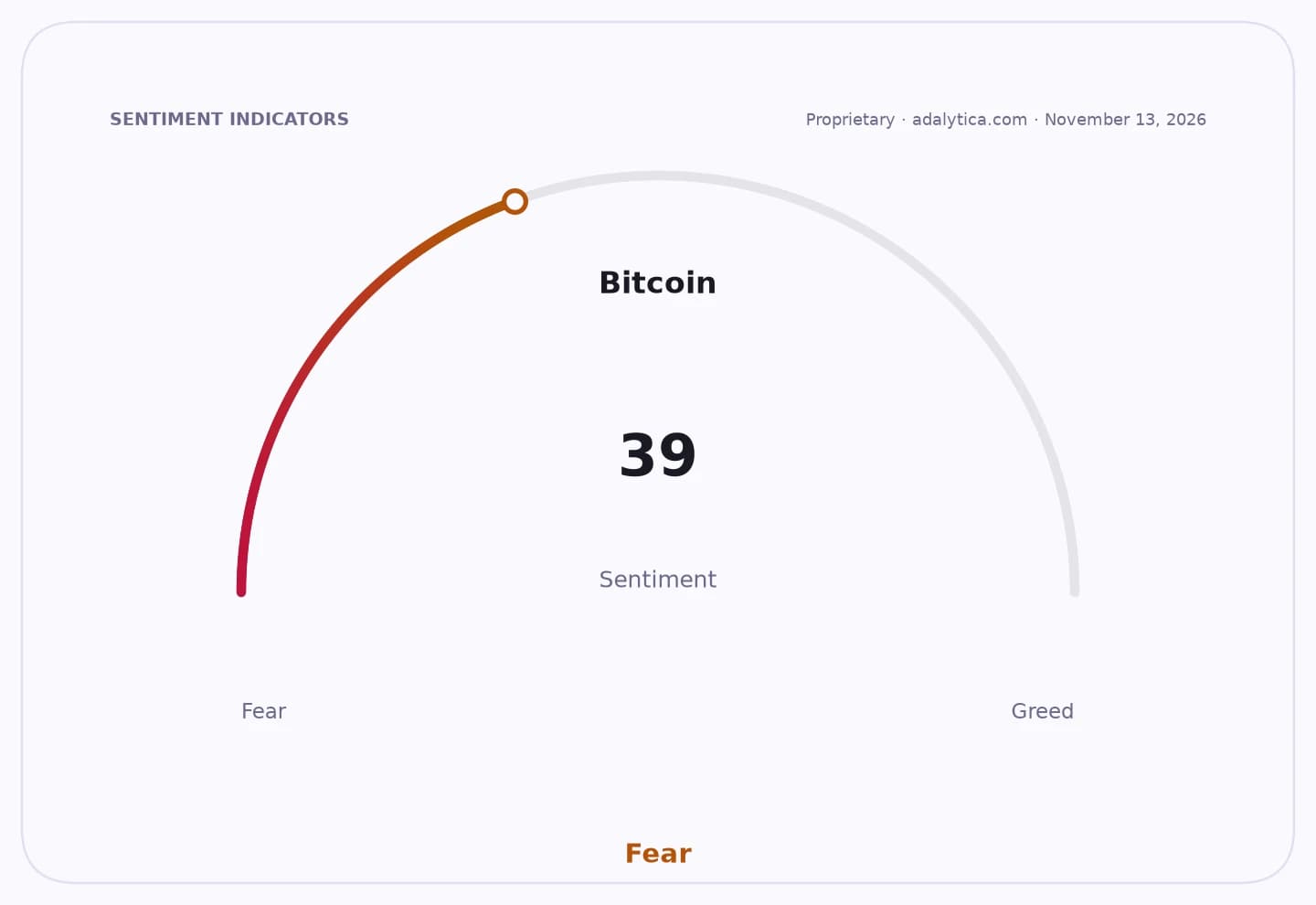
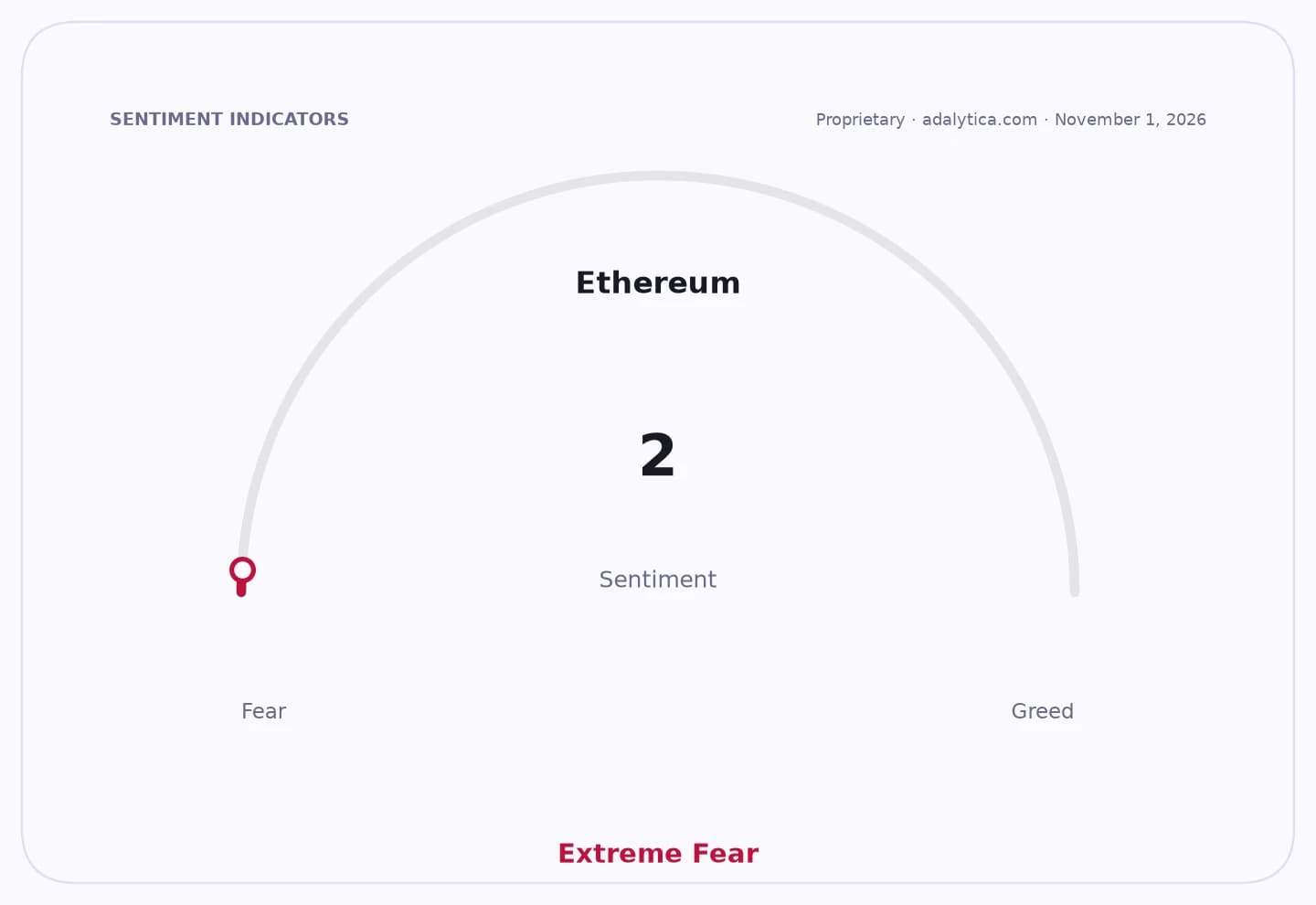
Sentiment Indicators

The attack matters economically because it strikes at the core of crypto’s revenue model: confidence. Exchange balances, custody assets and trading activity are tightly linked, so a loss of trust can shrink fees even for firms not directly hit. Binance said it would compensate affected users and had frozen about $2.85 billion of assets, but Goldman still sees the damage extending beyond the exchange itself.
That is where the story becomes more complicated for Coinbase. Goldman said Coinbase, BitGo and Gemini are among the most exposed names because they rely heavily on custody, staking and trading revenue. Yet the same flight from Binance could also benefit them if customers move funds to firms with tighter controls and clearer regulation. Coinbase is especially exposed to both sides of that equation because it also depends on USDC-related activity, meaning a broad market pullback could offset any inflows from Binance defectors.
Bitcoin
The analysts see Robinhood, Galaxy Digital, Circle and eToro as less vulnerable because they are either less directly tied to exchange custody or have more diversified business lines. In practical terms, the incident could redraw the competitive map in crypto by rewarding firms that can market security as a product, not just a compliance burden.
For investors, that makes the near-term read-through less about one-off theft loss and more about second-order effects. If a meaningful share of the nearly $20 billion Goldman says has left Binance stays inside regulated venues, Coinbase and peers could capture incremental assets under custody and more durable customer relationships. If instead the money simply exits the market, the industry gets the worst of both worlds: lower volumes and lower balances.
The policy implications also matter. Goldman warned the attack could slow the entry of large regulated financial institutions, complicate legislative efforts such as the CLARITY Act and intensify scrutiny of offshore exchanges seeking U.S. access. That raises the bar for the sector just as it was trying to broaden its institutional base.
Technical readings in Coinbase and MicroStrategy reflect the stress. Coinbase has fallen to $130.67, well below its 50-day moving average near $171.69, with a relative strength index of 28.2 pointing to oversold conditions. MicroStrategy has dropped to $114.41 versus a 50-day average of $143.93, also with RSI in the high 20s, while Riot has held closer to its 50-day line around $18.12 but remains below its 200-day average. Those levels suggest investors are still pricing in a tougher trading environment for crypto-linked names.
| Entity | Gains | Losses |
|---|---|---|
| Coinbase | ▲Potential inflows from Binance users | ▼Lower trading activity if market shrinks |
| Binance | ▲Limited customer loss if confidence stabilizes | ▼Reputation and asset outflows |
| BitGo and Gemini | ▲Possible demand for regulated custody | ▼Exposure to sector-wide trust shock |
| Crypto investors | ▲Safer venues if funds migrate | ▼Lower liquidity and weaker market sentiment |