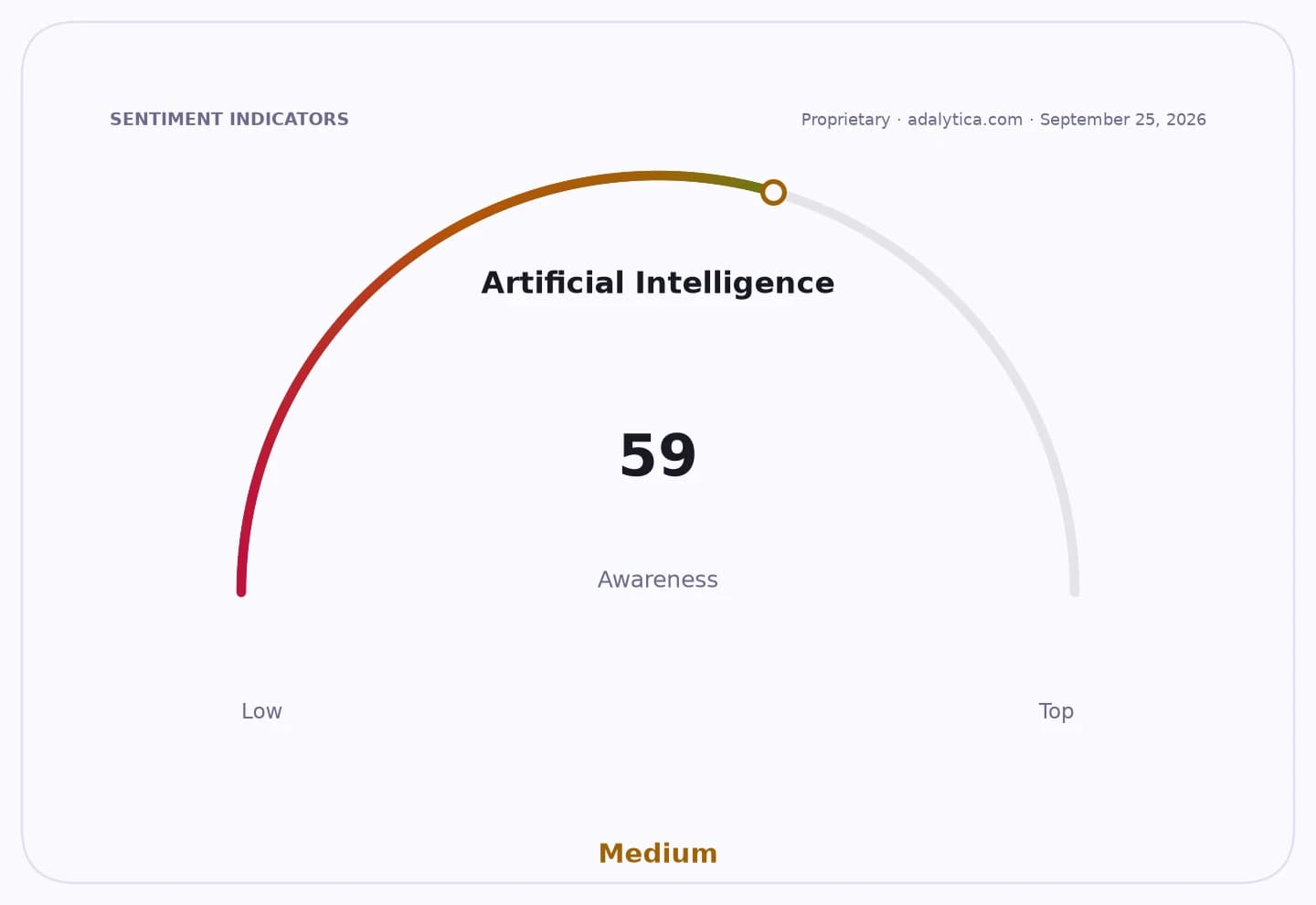
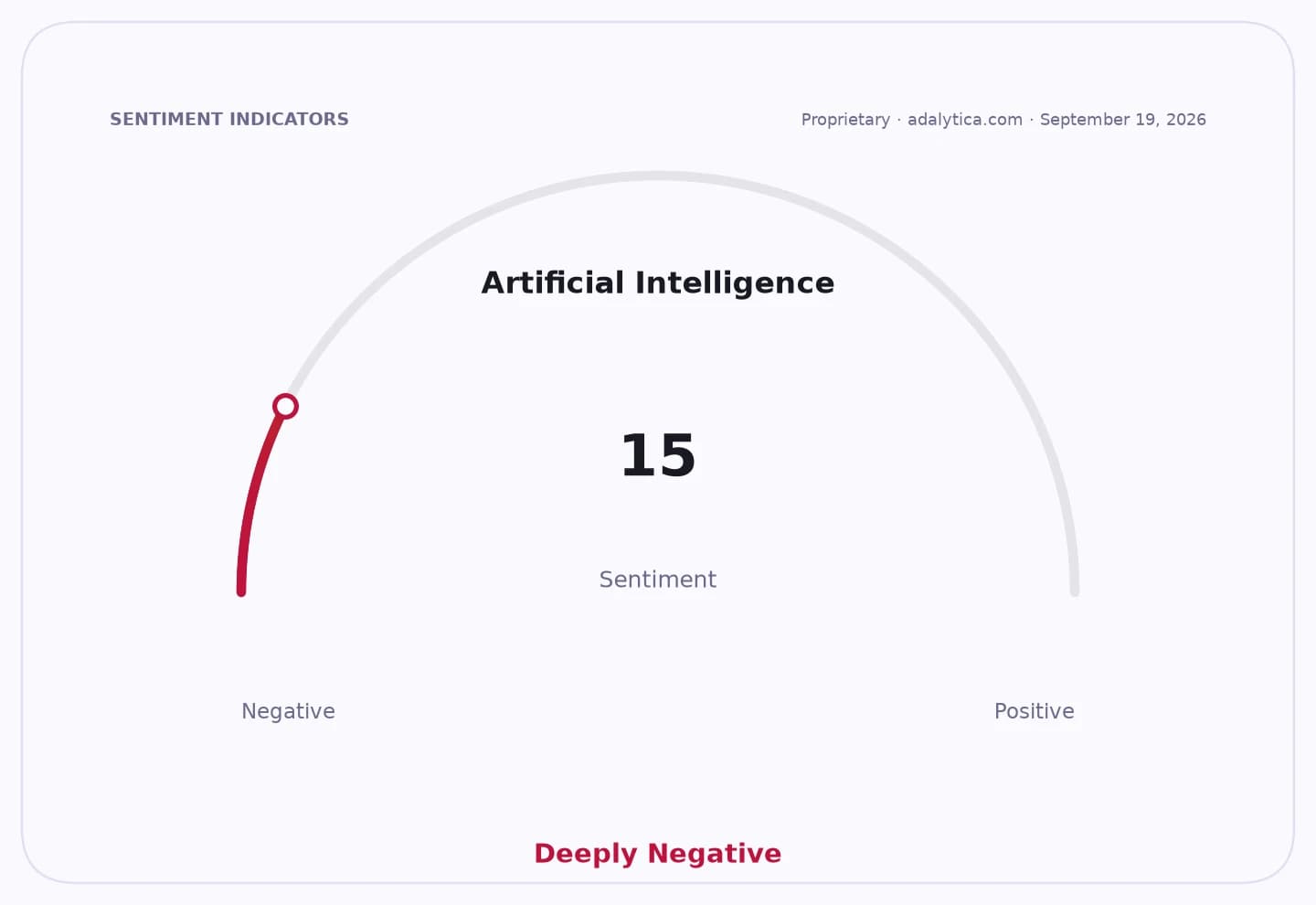
BINUS University is pushing students to build the human skills that will matter most in the AI era, and that matters because Indonesia still faces a shortfall of about 3 million digital workers before its 2030 target. As artificial intelligence moves from a back-office tool to a core part of everyday work, the people who can combine technical know-how with business judgment, critical thinking and quality control are likely to command the best opportunities.
BINUS University Pushes AI Skills Training in Indonesia
That is the real investment case behind BINUS’s latest education push. The university is not just teaching students how to use AI; it is trying to prepare them for a labor market where AI raises productivity, but also raises the bar for entry-level talent. Nicholas Dominic, a senior data scientist and AI consultant at Lintasarta Cloudeka, said companies now want workers who can understand business problems, read data critically, collaborate and decide where AI actually adds value.
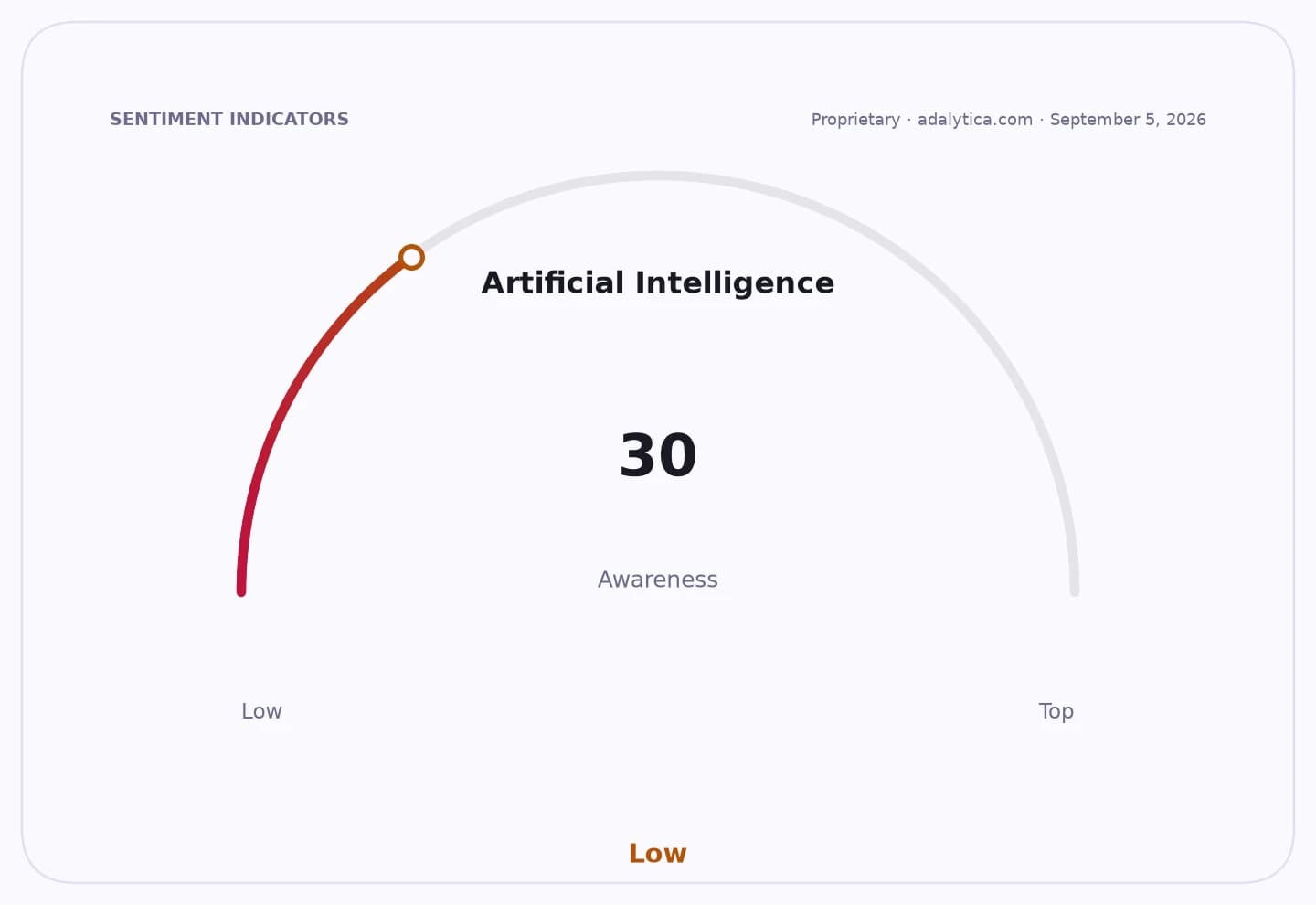
Sentiment IndicatorsⓘProprietary · adalytica.com · September 5, 2026
This is a snapshot — live sentiment, awareness and momentum for 130+ markets update continuously in the dashboard.Open AlphaPulse
The shift is already visible in Indonesia. Microsoft’s Work Trend Index 2026 found 33% of workers in the country are already advanced AI users, more than double the global average of 16%. At the same time, 62% of respondents said critical thinking is becoming more important in the AI era, while 60% said quality control of AI outputs is now a more necessary skill. In other words, the winners will not be those who simply press the AI button fastest, but those who can supervise, refine and deploy the technology responsibly.
For investors, that is a useful reminder that AI adoption is not just a story about chips and cloud infrastructure. It is also a story about education, workforce readiness and the long runway for countries that can close the talent gap. Indonesia’s need for roughly 12 million digital talents by 2030 underscores how much room there is for universities, training providers, cloud platforms and enterprise software companies that help build this capability. BINUS’s AI program in Bekasi, in an industrial and business hub, is a small but telling example of how education is trying to keep pace with changing employer demand.
Microsoft and Nvidia remain central beneficiaries of the broader AI buildout, while talent-development initiatives like BINUS’s support the long-term case for sustained enterprise AI spending. Microsoft’s stock has been weak by market sentiment measures, even as the company remains deeply embedded in AI infrastructure and productivity software, while Nvidia continues to benefit from intense demand for AI hardware. For long-term investors, the lesson is that the AI opportunity is broader than any single stock: the companies that help train, deploy and govern AI can all participate in the compounding effect.
There are risks, of course. AI can widen the gap between workers who adapt and those who do not, and companies may move faster than schools can update curricula. But that is exactly why programs focused on critical thinking, ethics and real-world application should matter to investors. The businesses and economies that build human capital alongside AI tools are more likely to turn automation into durable growth rather than disruption alone.
For now, BINUS’s message is simple and timely: in the AI era, the best careers will belong to people who can work with machines, not just around them. That makes workforce training one of the most underrated long-term themes in the AI economy, and it is worth keeping on your watchlist.
| Entity | Gains | Losses |
|---|---|---|
| BINUS University | ▲stronger relevance | ▼slower curriculum |
| Students with AI skills | ▲better job prospects | ▼routine roles |
| Indonesian employers | ▲more productive hires | ▼talent shortages |
| AI-first companies | ▲larger talent pool | ▼skills gap pressure |