Bioceres Crop Solutions’ stock has collapsed to 28 cents, but the real story is not the price chart — it is whether AI can turn agriculture from a commodity business into a data-driven growth market before financing pressure and legal overhangs overwhelm the company.
Bioceres Crop Solutions Shares Sink to 28 Cents
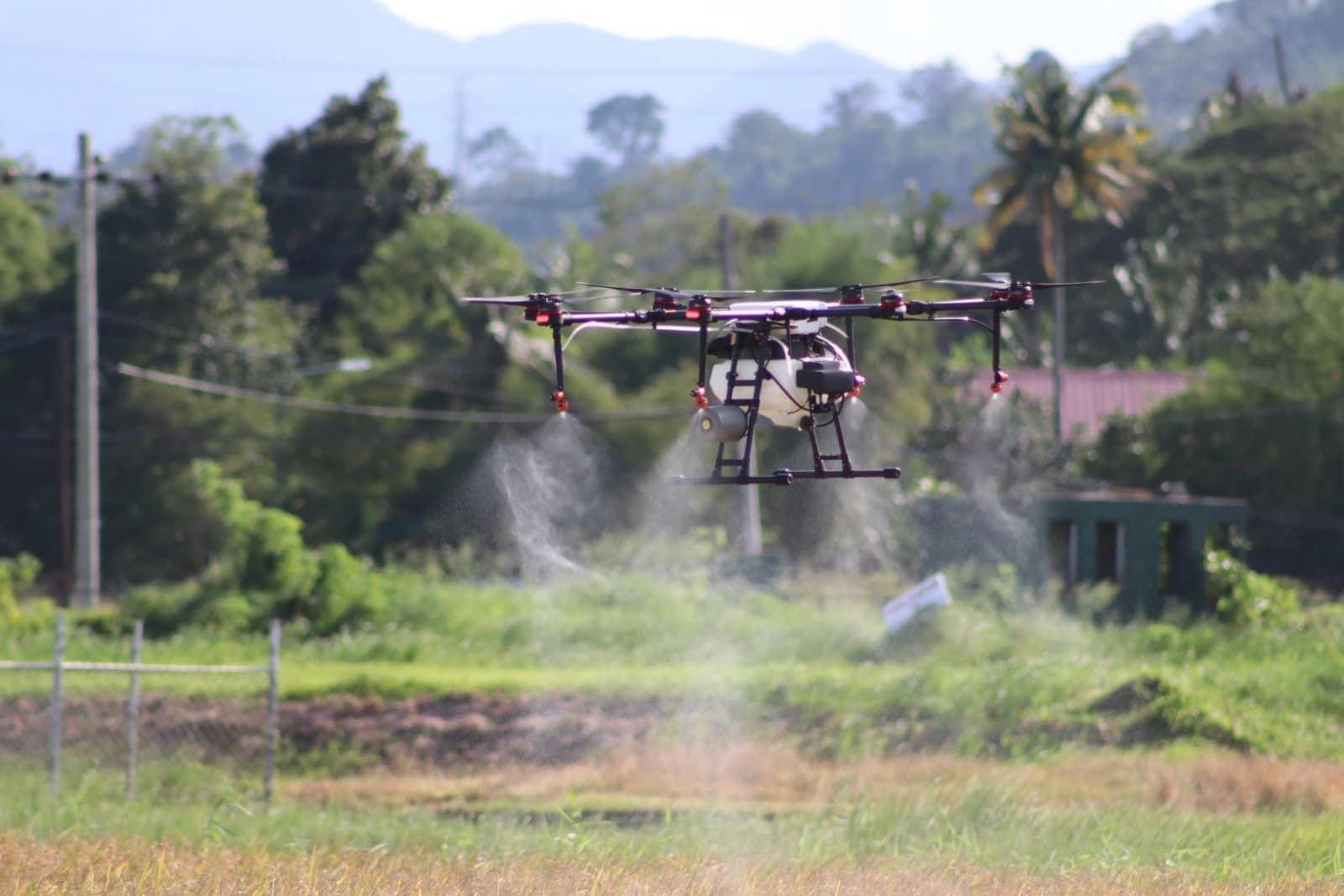
That matters because the seed headline points to a genuine shift in farming economics: tomatoes and strawberries, among the most valuable and operationally sensitive crops, are moving into AI-assisted “bioeco-villages” where crop decisions can be optimized by data rather than guesswork. If that model scales, it could lift yields, reduce water and input waste, and create a new profit pool for companies that sell the software, biologicals and agronomic systems behind it.
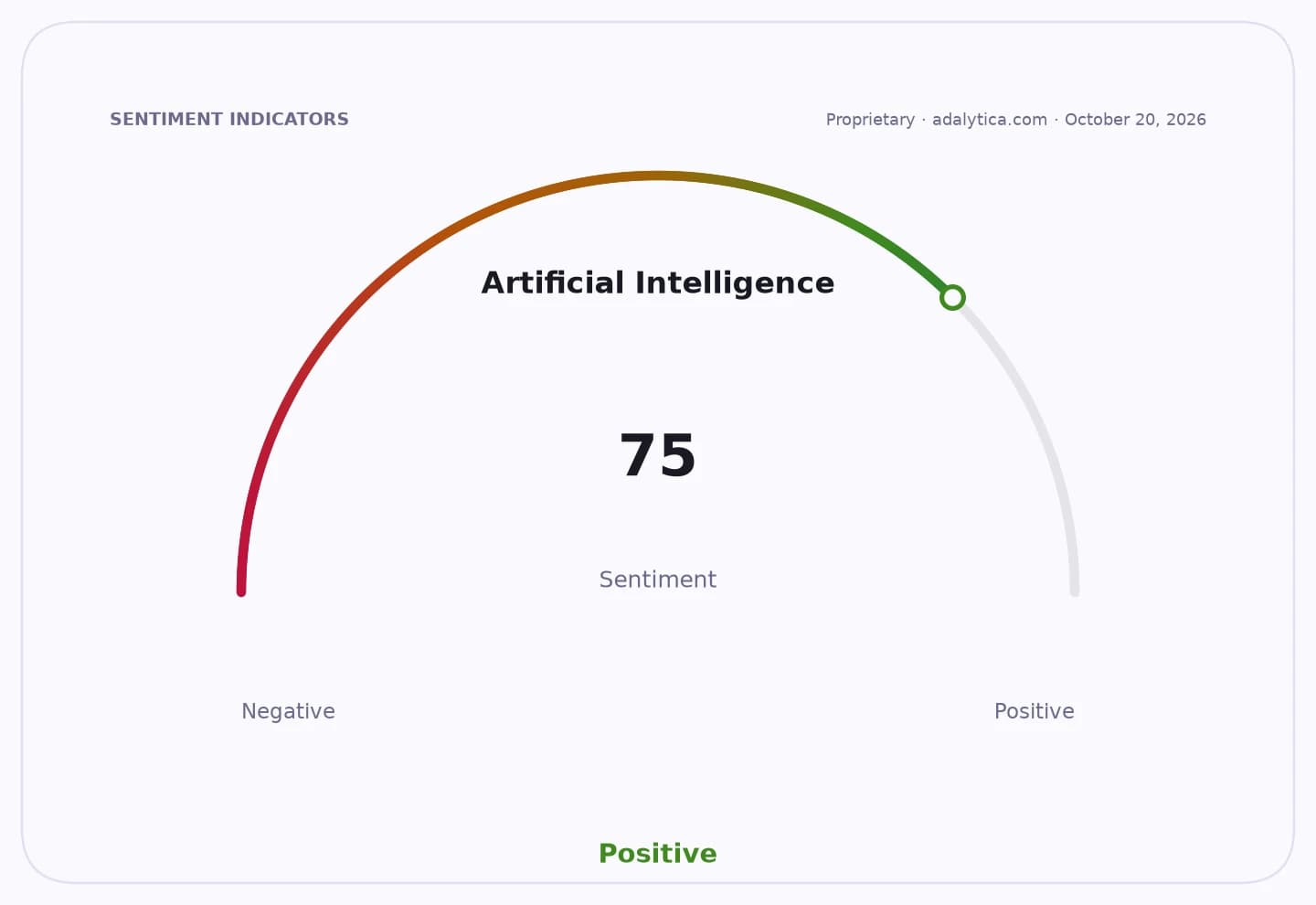
Sentiment IndicatorsⓘProprietary · adalytica.com · October 19, 2026
This is a snapshot — live sentiment, awareness and momentum for 130+ markets update continuously in the dashboard.Open AlphaPulse
But investors are clearly not paying up for that optionality yet. BIOX has lost more than 80% of its value from a 1.53 close in early January to 28 cents on the latest trading day, while the stock sits well below its 50-day moving average of 38 cents and 200-day moving average of 53 cents. The relative strength index at 9.8 points to deeply oversold conditions, but it also reflects a market that sees distress first and upside second.
The company’s own filings explain why skepticism is so high. Bioceres has flagged litigation, financing needs and agricultural-market weakness in Argentina and other key markets as material risks, and those issues matter in a business that still needs capital to bridge from promise to profits. In that sense, AI adoption in agriculture is not just a technology story; it is a balance-sheet story. The winners will be the platforms that can prove measurable gains in crop output and farm efficiency quickly enough to attract customers, partners and capital.
Artificial Intelligence vs BIOXadalytica.com
Explore this data interactively — full history, time series and cross-market comparisons.Open AlphaPulse
For investors, the opportunity is in the second-order effect the market may be underestimating. AI in agriculture is unlikely to be a winner-take-all software race. More likely, it becomes a picks-and-shovels market spanning seed genetics, biological crop protection, precision agronomy, sensors, data platforms and localized farm infrastructure. If AI can improve decisions on timing, inputs and disease prevention in high-value crops, the monetization path extends well beyond one company’s share price.
The near-term catalyst is execution, not narrative. Any evidence that AI-enabled farming can produce repeatable gains in premium crops would support a rerating of the broader agtech stack. Until then, BIOX remains a high-risk call option on a secular theme that the market has mostly written off — and that is exactly where asymmetric upside can emerge.
| Entity | Gains | Losses |
|---|---|---|
| AI-enabled agtech platforms | ▲New revenue stream | ▼Requires proof of ROI |
| BIOX / Bioceres | ▲Option value from adoption | ▼Balance-sheet strain |
| Farmers growing premium crops | ▲Higher yields, lower waste | ▼Upfront tech costs |
| Short sellers | ▲Bearish trend supports returns | ▼Risk of rebound on AI news |