BISHKEK is publishing 29 coal sales points across four districts and keeping the benchmark price at 7,000 soms a tonne for bases operating under a deal with Kyrgyzkomur, a move that matters most for household heating costs as Kyrgyzstan heads into winter.
Bishkek lists 29 coal sales points
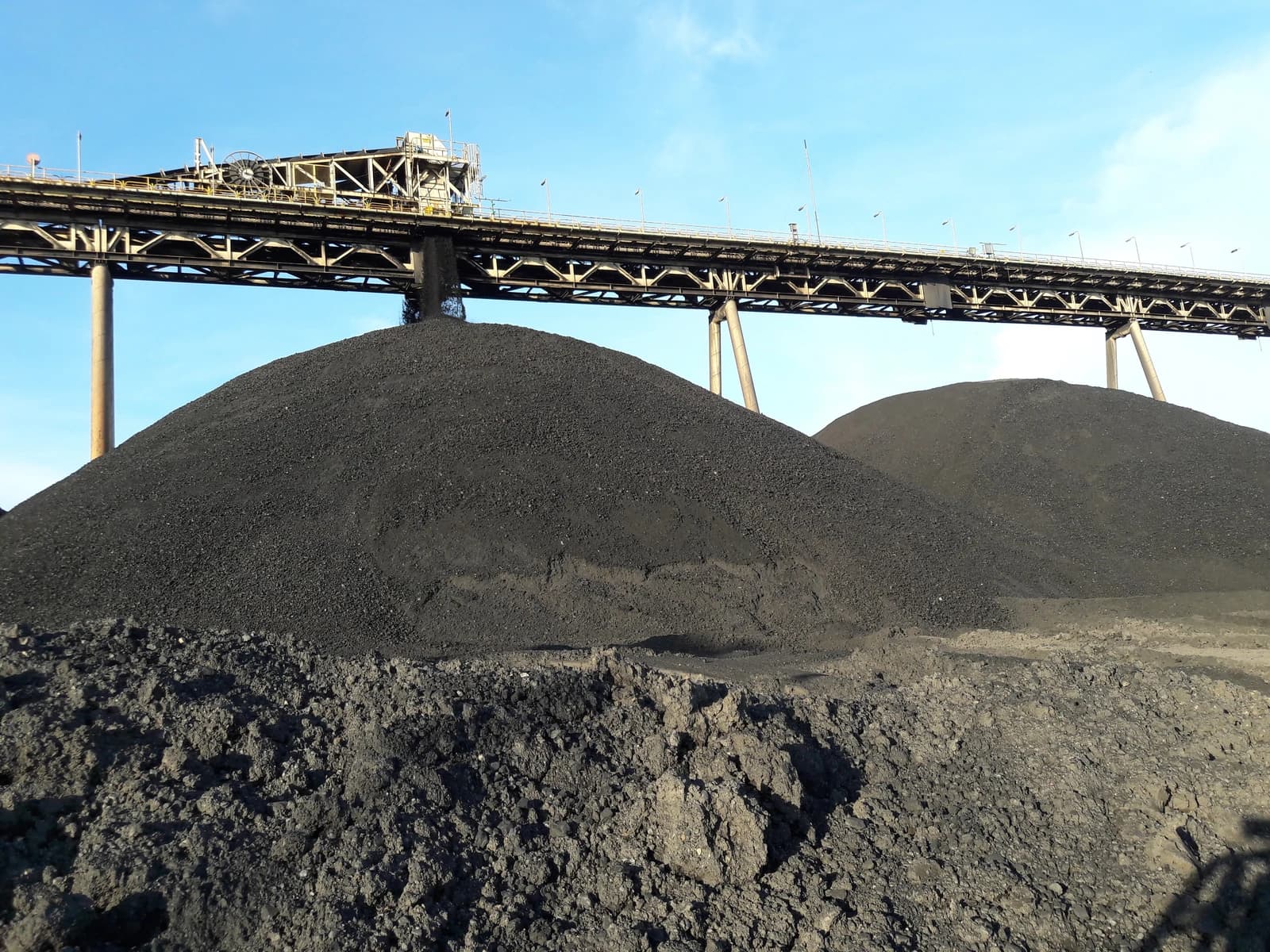
The city’s list of outlets, including sites in suburban settlements, is designed to steer buyers toward nearby supply and reduce the risk of overpaying for a fuel that remains essential for winter power and heating demand. The pricing guide is especially important because the 7,000-som figure covers coal at the base only; delivery, unloading and bagging can add materially to the final bill.
Sentiment IndicatorsⓘProprietary · adalytica.com · October 14, 2026
This is a snapshot — live sentiment, awareness and momentum for 130+ markets update continuously in the dashboard.Open AlphaPulse
That makes the announcement less a simple directory than a consumer protection measure in a market where the real cost depends on weight, transport distance and service charges. Bishkek officials and the Antimonopoly Regulation Service are trying to standardize comparisons before demand tightens further, with the regulator also publishing a seasonal price calculation for 2026/2027.
For investors and energy markets, the story sits inside a broader coal backdrop that is still supportive. Power-plant inventories remain above 18 million tonnes, winter demand is firming and coal is still far cheaper than LNG, helping sustain regional consumption even as China’s imports have eased. Adalytica’s Coal Fear & Greed Index shows neutral sentiment at 32, but awareness remains at an extreme-fear reading of 4, underscoring how sensitive buyers remain to any disruption or price shock.
The city said complaints over pricing or misleading terms can be taken to the antimonopoly agency, signaling that enforcement will be part of the winter supply picture as much as pricing itself. The key risk now is execution: whether the listed bases have stock, whether they honor the 7,000-som deal, and how much households ultimately pay once transport and unloading are added.
| Entity | Gains | Losses |
|---|---|---|
| Bishkek households | ▲clearer access to coal | ▼higher final costs from fees |
| Kyrgyzkomur-linked bases | ▲demand visibility | ▼tighter price scrutiny |
| Antimonopoly regulator | ▲stronger enforcement role | ▼more complaints workload |
| Unlisted sellers | ▲pricing flexibility | ▼competitive pressure |