Bitcoin remained above $75,000 even as a massive Binance security breach triggered forced selling across the crypto market and knocked listed digital-asset stocks sharply lower, underscoring how quickly liquidity stress can spill through the sector.
Bitcoin Holds Above $75,000 After Binance Breach
The breach, which Binance said led it to cover most customer losses and reopen withdrawals, exposed a central risk for crypto investors: market structure is still fragile enough that an exchange shock can quickly turn into a broader de-risking event. More than $1 billion in liquidations followed the hack, according to the news context, highlighting how leveraged positioning can amplify even a single operational failure into a price slide.
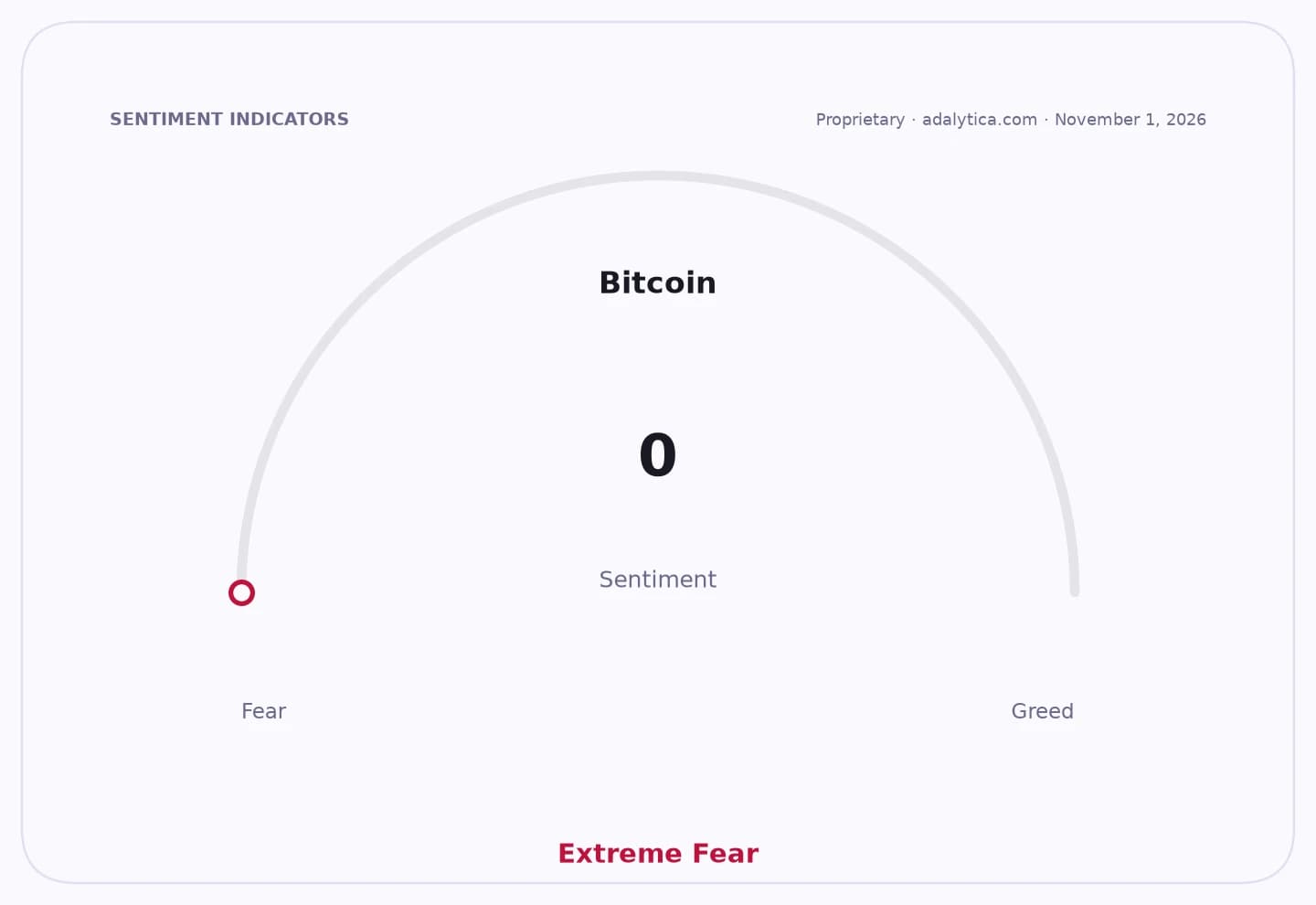
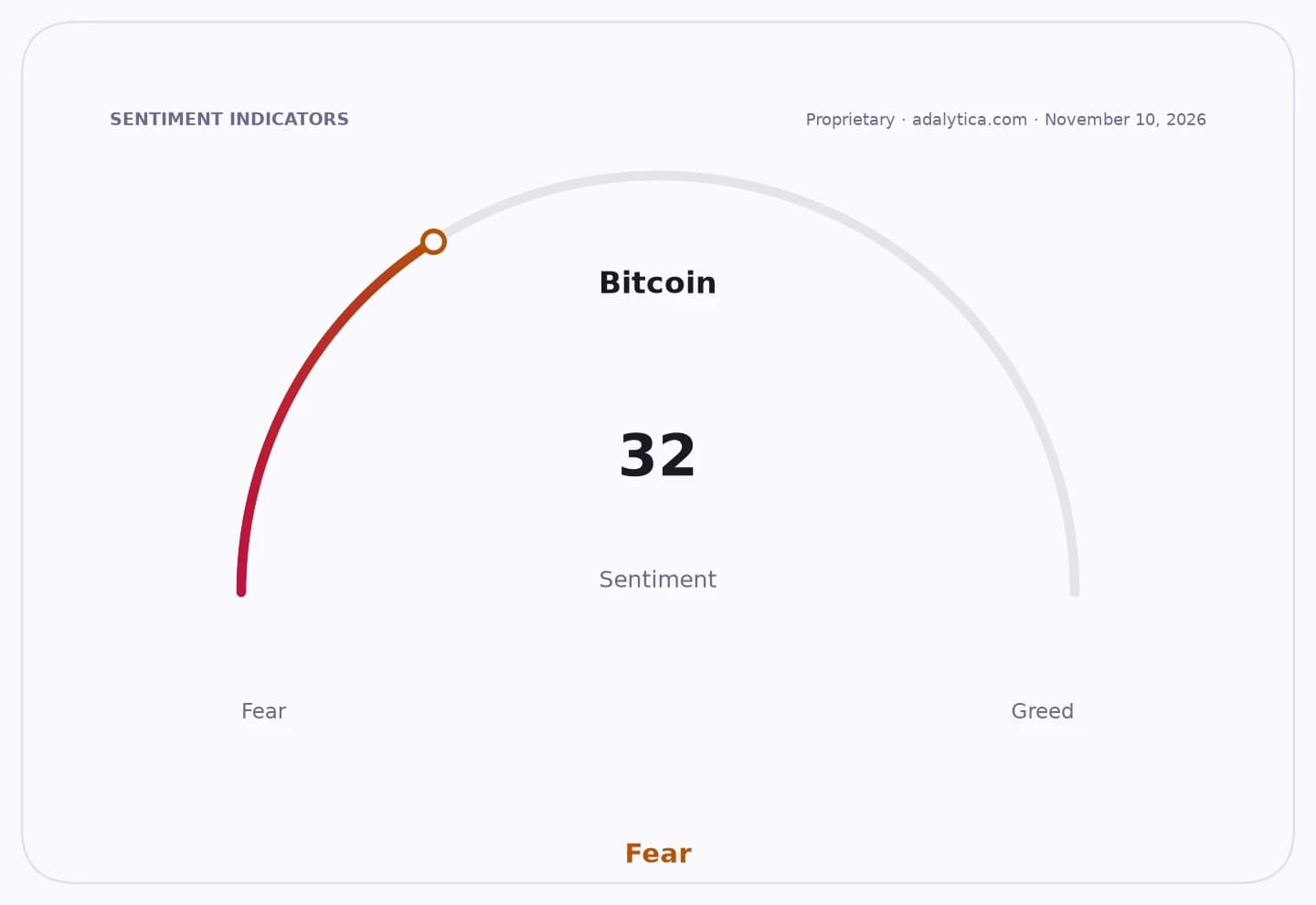
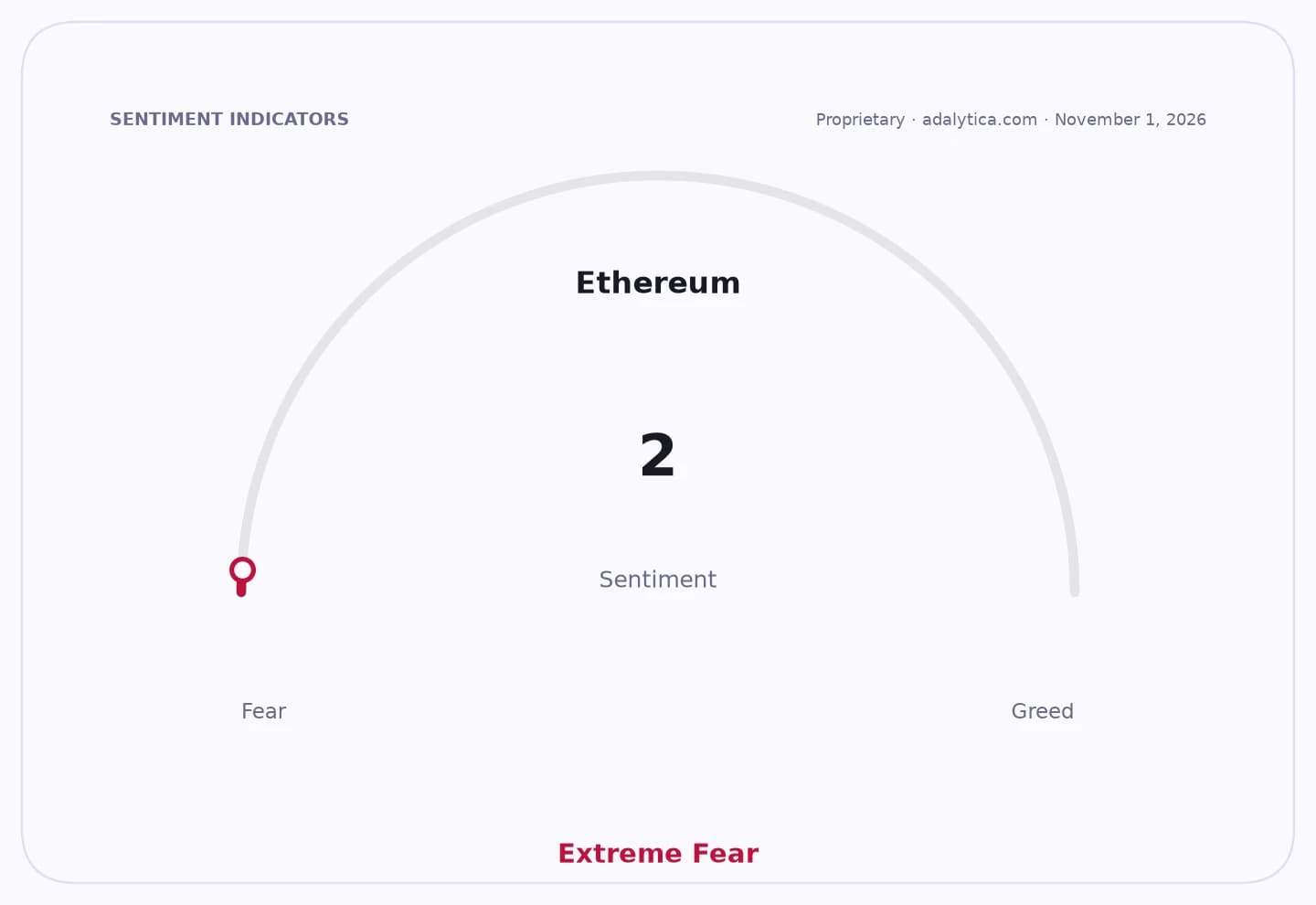
Sentiment Indicators
Bitcoin’s resilience above the key threshold matters because it suggests spot demand and long-term holders are still absorbing pressure even after the selloff. But the technical backdrop remains weak. Bitcoin is trading well below its 50-day moving average, with the relative strength index near 33, a level that points to a market that is oversold but not yet stabilized. The MACD remains negative, indicating downside momentum has not fully cleared. In other words, the market has not broken, but it has not healed either.
That split is showing up in related assets. Coinbase Global and MicroStrategy both fell sharply alongside bitcoin, reflecting the tighter linkage between the underlying token and equity-market proxies for crypto exposure. For investors, that means the old trade remains intact: when bitcoin weakens, the listed names often move faster and further because they carry both operating leverage and sentiment risk. Coinbase is also more exposed to trading volumes, while MicroStrategy’s equity acts as a highly geared bitcoin bet, making it vulnerable when the coin’s price fails to recover quickly.
The broader macro implication is that bitcoin is behaving less like a clean safe haven and more like a high-beta risk asset during stress. That weakens the bullish case that crypto can decouple from speculative flows, even as institutional products continue to broaden access. The fact that bitcoin is still above $75,000 may reassure dip buyers, but it does not eliminate the risk that further liquidation, exchange distrust or regulatory fallout could drag the market lower again.
For now, the key question is whether the market can rebuild confidence without another catalyst. A sustained recovery would likely require withdrawal flows to normalize, leverage to come down and bitcoin to reclaim its short-term moving average. If not, the current hold above $75,000 may prove to be a pause in a broader reset rather than a durable floor.
| Entity | Gains | Losses |
|---|---|---|
| Bitcoin holders | ▲Relative price support | ▼Volatility and liquidation risk |
| Binance customers | ▲Withdrawal reopening | ▼Confidence in exchange safety |
| Coinbase | ▲Trading-volume opportunity if activity rebounds | ▼Share-price pressure from crypto stress |
| MicroStrategy longs | ▲Any bitcoin recovery | ▼Leverage-induced downside |