The prospect of renewed rate hikes from the Federal Reserve and other major central banks is tightening the screws on crypto just as investors were hoping the easing cycle would broaden.
Bitcoin Falls as Fed Rate Hike Bets Rise
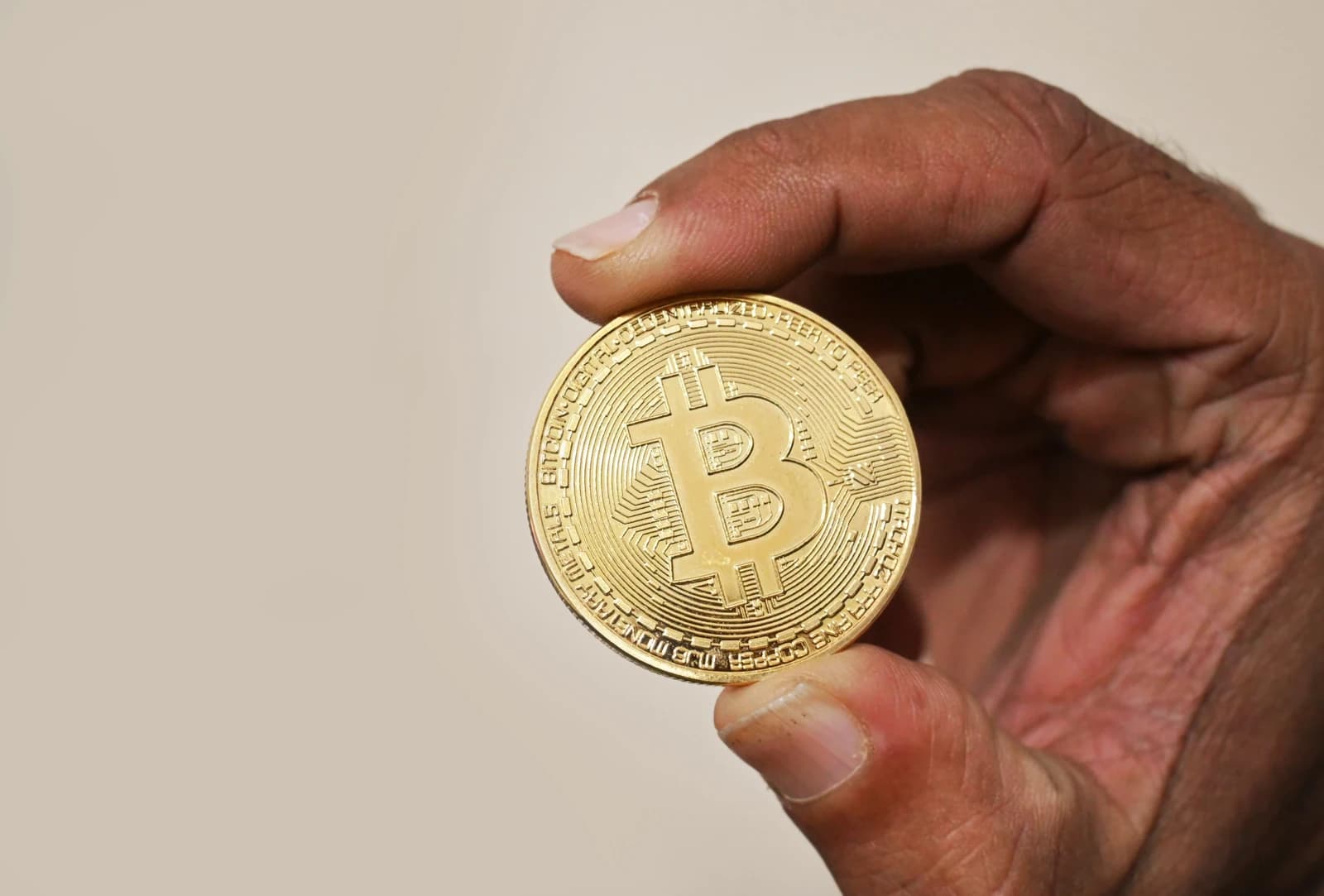
A hawkish turn in global monetary policy matters because digital assets do not pay income, leaving them more vulnerable when cash and sovereign bonds offer 4% yields or more. That higher hurdle is showing up in the market: Bitcoin has fallen about 7.3% in October, traded around $77,000 to $78,000 in early November, and remains roughly 28% below a year ago, while U.S. spot bitcoin ETFs logged net outflows of about $515 million for the month.
Sentiment Indicators
The shift is being driven by fresh inflation pressure, especially from energy. Crude and fuel costs have climbed as Middle East tensions and supply concerns feed back into price expectations, pushing central banks back toward tightening after markets spent much of the past two years betting on cuts.
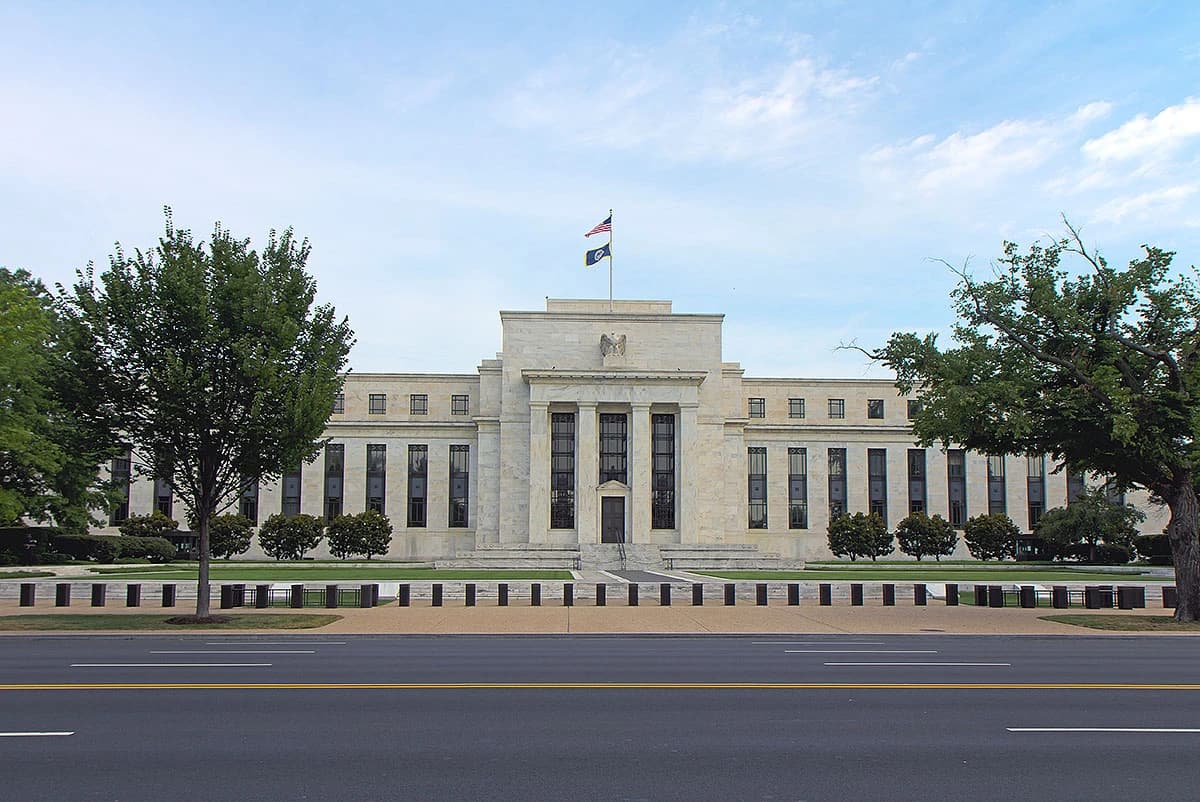
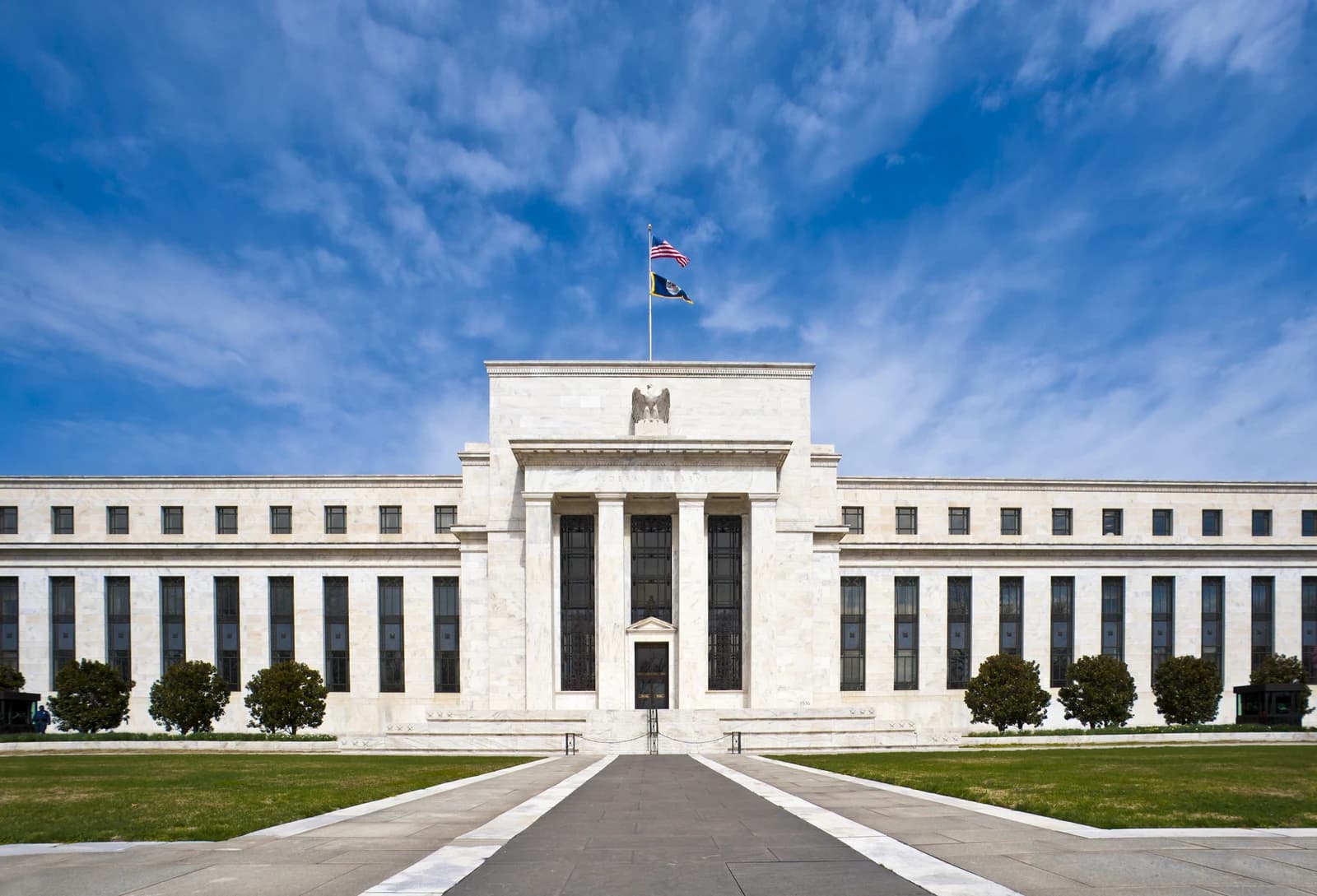
The Federal Reserve already raised rates in September for the first time since 2023 and then held its benchmark range at 3.75% to 4.00% on Oct. 28. Two policymakers dissented in favor of an immediate 25-basis-point hike, and CME FedWatch data showed markets pricing an 86% chance of another quarter-point move in December, which would lift the fed funds target to 4.00% to 4.25%.
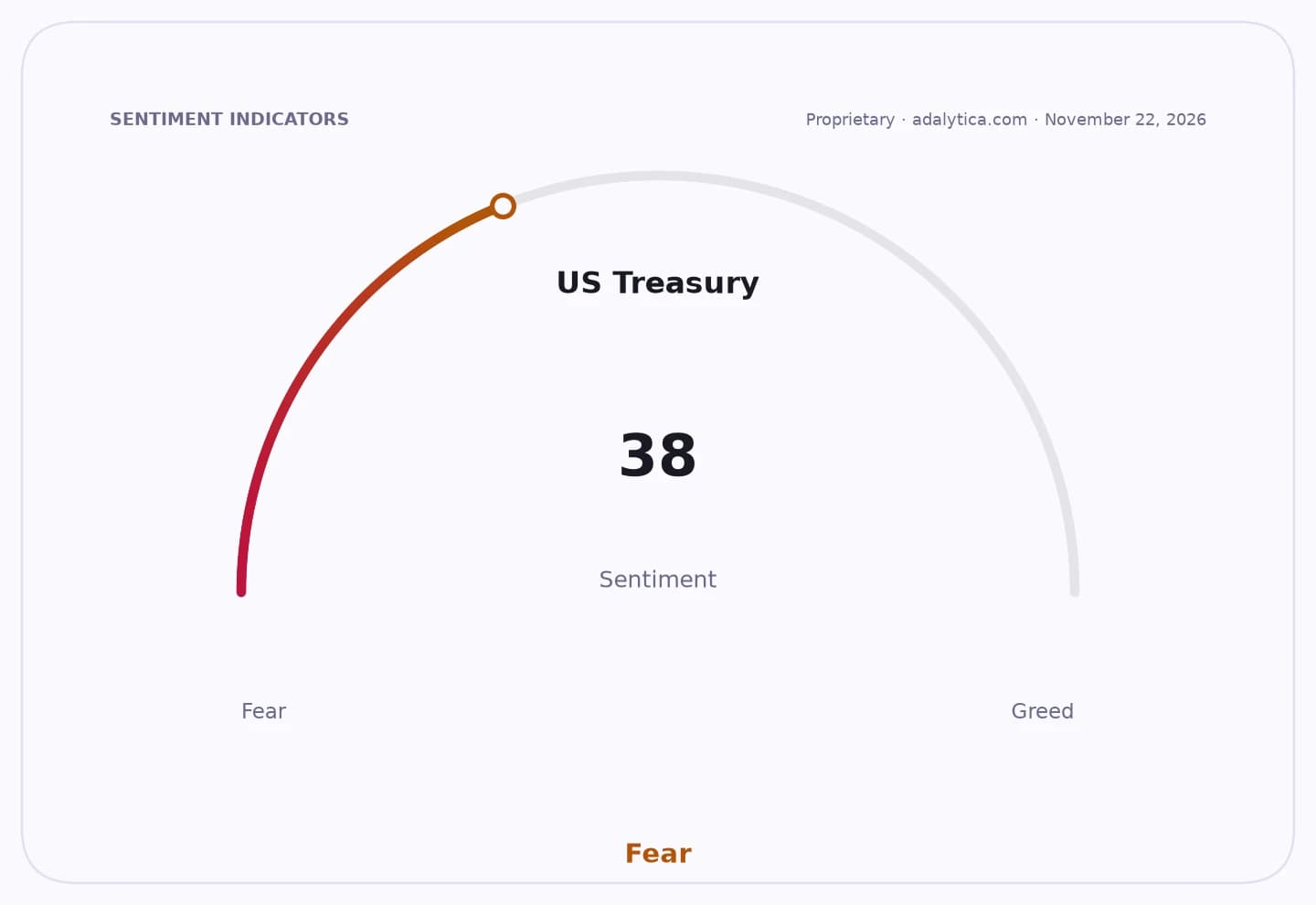
That backdrop is important for investors because the Fed still sets the global reserve-currency price of liquidity. Higher policy rates tend to pull capital toward cash and Treasuries, compressing demand for speculative, non-yielding assets and raising the cost of leverage across crypto markets.
The pressure is not isolated to the United States. The Reserve Bank of Australia raised rates on Nov. 3 for the fifth time this year, while the Bank of England is widely expected to tighten for the first time since August 2023 after UK inflation rose to 3.5% in September. Even where policymakers are still hiking, some are signaling they may be nearing terminal rates, but that has not yet been enough to restore conviction in risk assets.
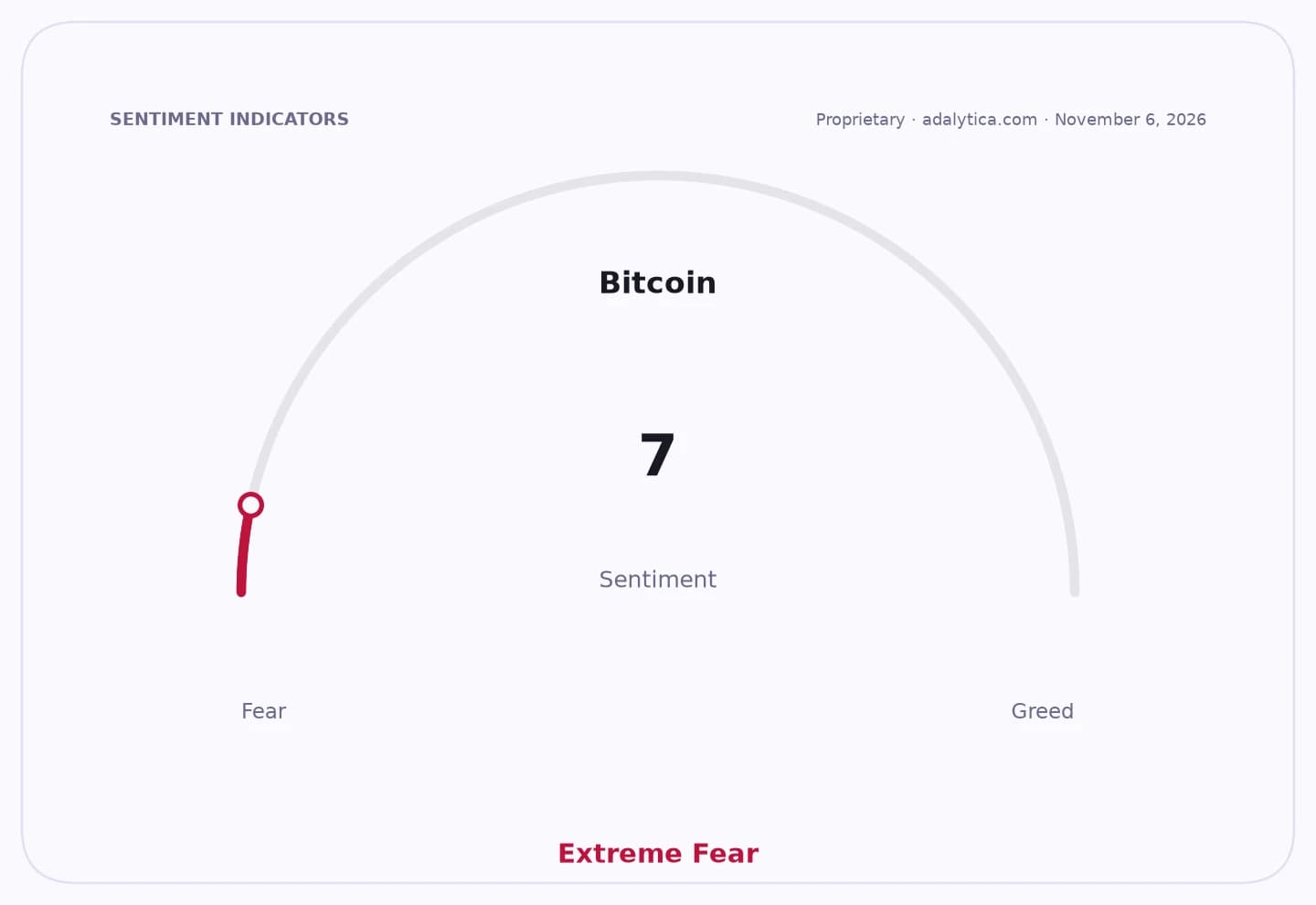
Crypto sentiment has softened accordingly. Adalytica’s Bitcoin Fear & Greed Index shows neutral sentiment at 33, with awareness at 56, while the U.S. dollar trade signal remains firm, underscoring how the stronger greenback and tighter policy expectations are weighing on digital assets.
The near-term catalyst is the Fed’s December meeting, along with upcoming U.S. labor data and the Bank of England decision. Until markets get clearer evidence that the tightening cycle is over, crypto traders are likely to keep treating every inflation surprise as a reason to stay defensive.
| Entity | Gains | Losses |
|---|---|---|
| Cash and Treasuries | ▲Higher yields | ▼Crypto allocation demand |
| U.S. dollar | ▲Safe-haven bid | ▼Risk assets, including Bitcoin |
| Federal Reserve hawks | ▲More policy cover | ▼Crypto bulls |
| Bitcoin ETF buyers | ▲Potential lower entry prices | ▼Near-term price momentum |