Bitcoin and gold snapped out of a midyear slump this week as a falling dollar, lower Treasury yields and fresh worries over U.S. debt and inflation pushed investors toward assets seen as protection from currency debasement.
Bitcoin and gold rise on lower yields and dollar

The move matters because it was not just a reflexive bounce in two volatile markets. It reflected a broader repricing of U.S. policy risk after Treasury buybacks, record federal borrowing and a White House push to lean on lower long-term yields, even as inflation remains sticky. That combination raised the appeal of non-yielding alternatives and undercut the relative attractiveness of cash and bonds, especially after a long stretch in which investors had preferred interest-bearing assets and shunned speculative trades.
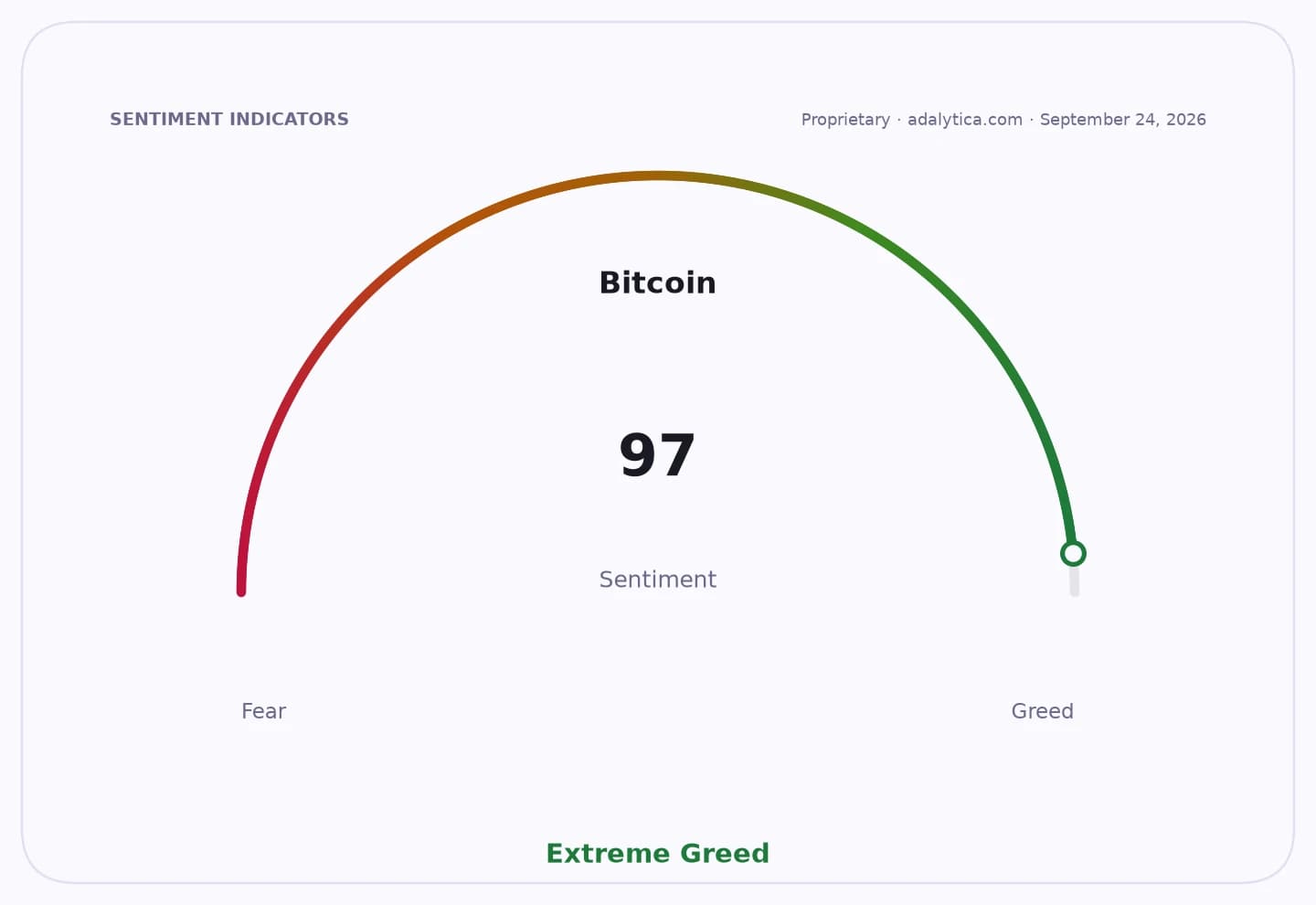
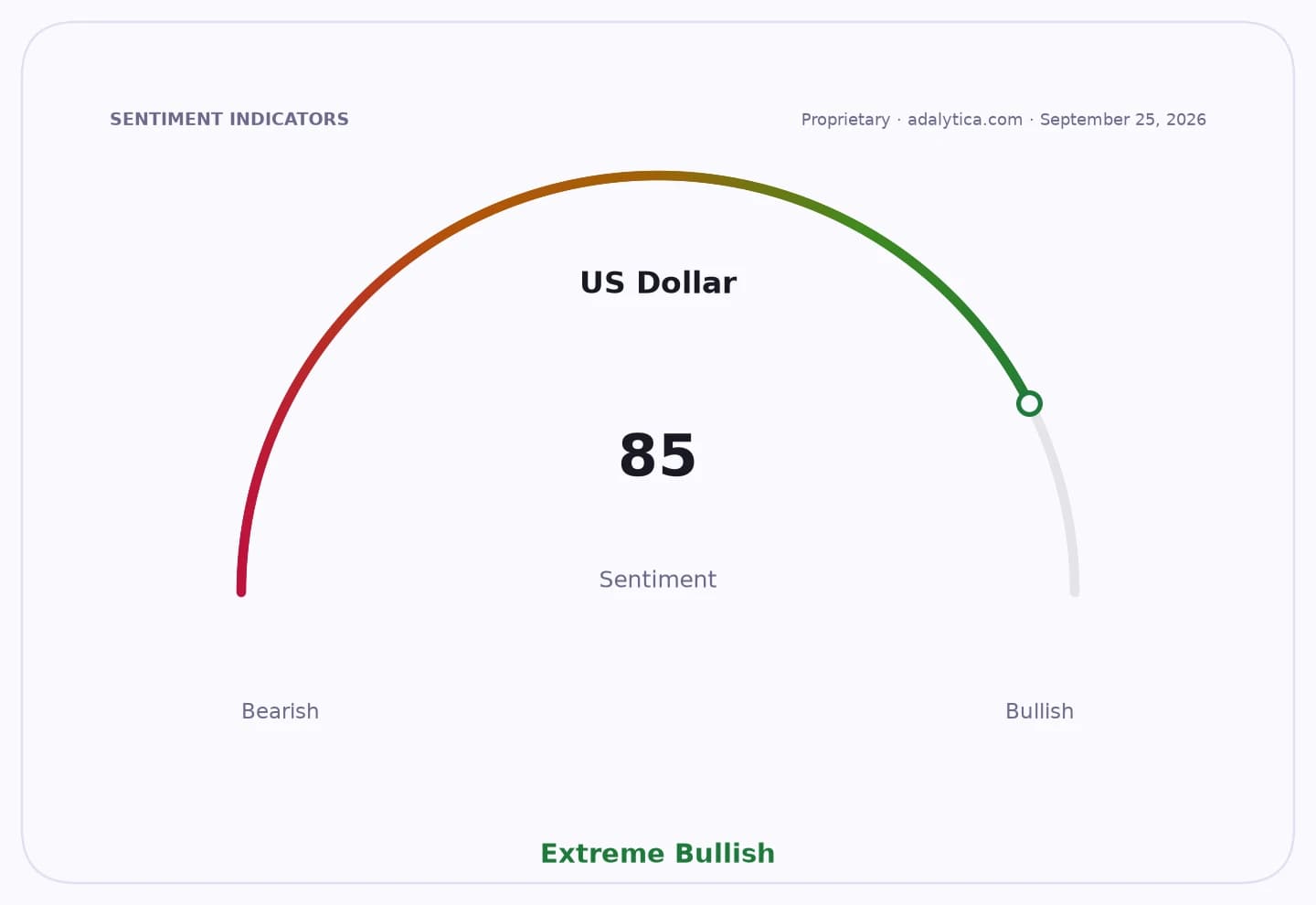
Sentiment IndicatorsⓘProprietary · adalytica.com · September 25, 2026
This is a snapshot — live sentiment, awareness and momentum for 130+ markets update continuously in the dashboard.Open AlphaPulse
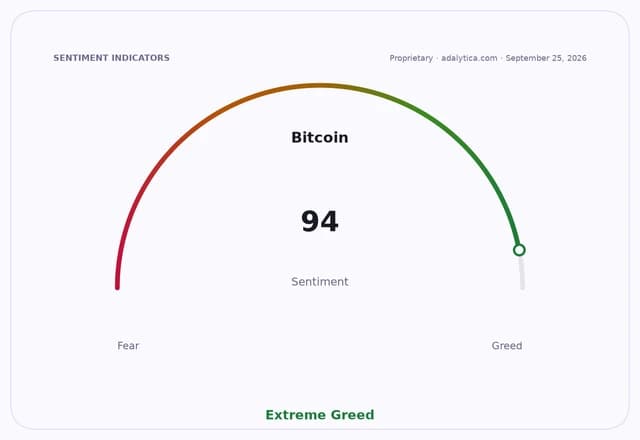
Bitcoin rose above $77,000 on Friday after falling below $60,000 at the end of June, while gold climbed to $4,661 from about $4,000 in June. In both cases, the turn was sharp enough to trigger forced buying. More than $4 billion in bearish crypto positions were liquidated during the rally, according to CoinGlass, amplifying bitcoin’s surge as short sellers rushed to cover.
The backdrop was an aggressive shift in market psychology. The Treasury’s interventions sent yields lower and helped knock the dollar down, but they also revived debate over whether Washington is effectively trying to suppress borrowing costs at a time when debt has just crossed $40 trillion. For investors, that raises a classic macro hedge setup: if nominal yields are being held down while inflation pressure persists, real returns erode and store-of-value assets tend to benefit.
Bitcoin’s move was also reinforced by Washington. President Donald Trump used a White House crypto event to press Congress to advance industry-friendly legislation, while regulators signaled a more permissive stance. That policy tailwind gave traders a reason to see the rally as more than just a macro hedge, even as bitcoin had been trapped for weeks in a narrow range around $62,000 to $67,000 before breaking out.
Gold’s rally followed the same logic from a different angle. The metal is typically sensitive to rates and the dollar, and this week both turned in its favor. A weaker greenback lowers the cost of buying gold for overseas investors, while falling yields reduce the opportunity cost of holding a non-income-producing asset. That helped restore momentum after gold had earlier been pressured by rising rates and the appeal of fixed-income alternatives.
The question for investors is whether the move marks a durable regime change or another burst of “debasement trade” enthusiasm. The bull case is that debt, inflation and policy easing pressure remain unresolved, keeping support under hard assets and crypto alike. The bear case is that if growth slows, the Fed resists easier financial conditions, or the dollar stabilizes, both trades could fade quickly — especially after such a crowded squeeze.
For now, the key market signal is that investors are treating bitcoin and gold less as separate trades and more as parallel hedges against a common set of risks: a weaker dollar, heavier government borrowing and the possibility that policymakers will tolerate higher inflation to keep funding costs in check.
| Entity | Gains | Losses |
|---|---|---|
| Bitcoin | ▲short-covering rally | ▼bearish crypto traders |
| Gold | ▲demand for debasement hedge | ▼holders of cash and bonds |
| U.S. dollar | ▲— | ▼as investors rotate out |
| Treasury bulls | ▲lower yields, policy support | ▼higher inflation fears |