Bitcoin’s mining model is getting a fresh reminder that electricity is only half the cost story, and that matters because the other half — hardware, maintenance and financing — determines who can survive when the cycle turns.
Bitcoin Miners Face Hardware and Financing Costs
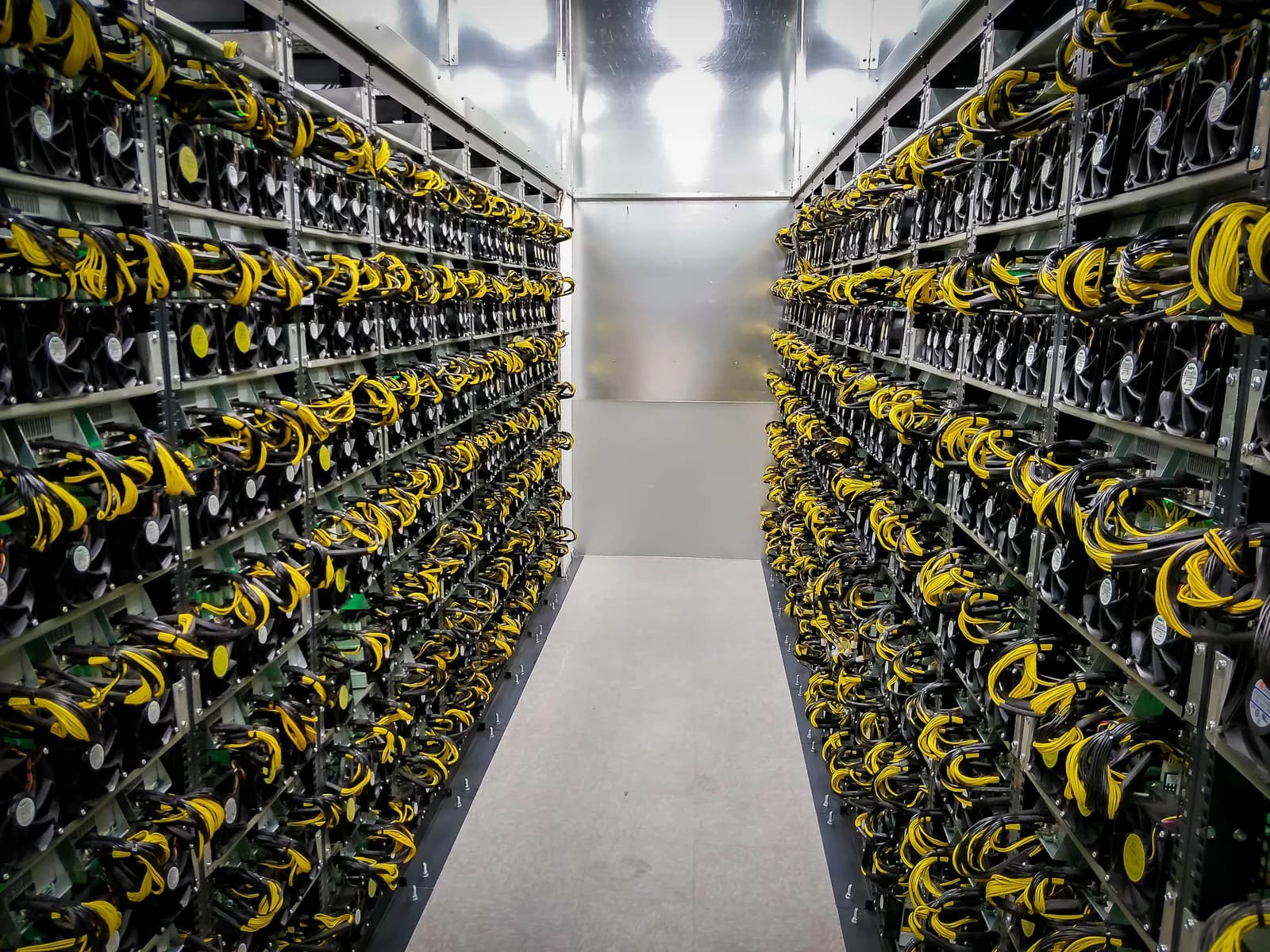
That’s the key takeaway from Ethereum co-founder Vitalik Buterin’s comment that Bitcoin mining costs are split nearly evenly with power. For investors, the point goes beyond a technical quip. Bitcoin miners live and die on their cost structure, and a 50-50 split means the business is not just a bet on cheap electricity, but on access to capital, scale, machine efficiency and balance-sheet resilience.
Sentiment Indicators
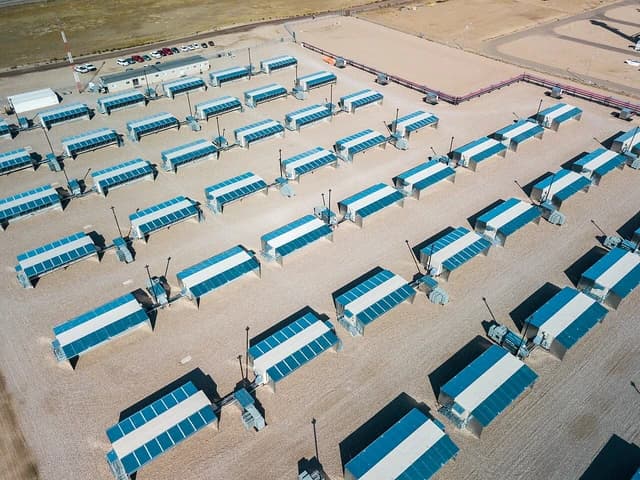
Bitcoin itself is still trading above $83,000, and that’s important because the coin’s price sets the ceiling for miner economics. When prices rise, revenue expands quickly and miners with lower all-in costs can generate outsized cash flow. When prices fall, the pain shows up just as fast. That dynamic is already visible in the sector: Riot Platforms and Marathon Digital have both seen their shares swing sharply, even as Bitcoin’s broader trend remains constructive.
For long-term investors, this is why the best Bitcoin miners often behave less like simple commodity producers and more like leveraged infrastructure businesses. Electricity gets the headlines, but it is only one piece of the advantage. The companies that win over years, not weeks, are usually the ones that can secure power at scale, run efficient fleets, and avoid drowning in depreciation and replacement costs as older rigs age out. MARA’s recent filing showed purchased energy costs per bitcoin mined remained in the high-$30,000 range, a reminder that margins can compress quickly when the market softens.
Bitcoin
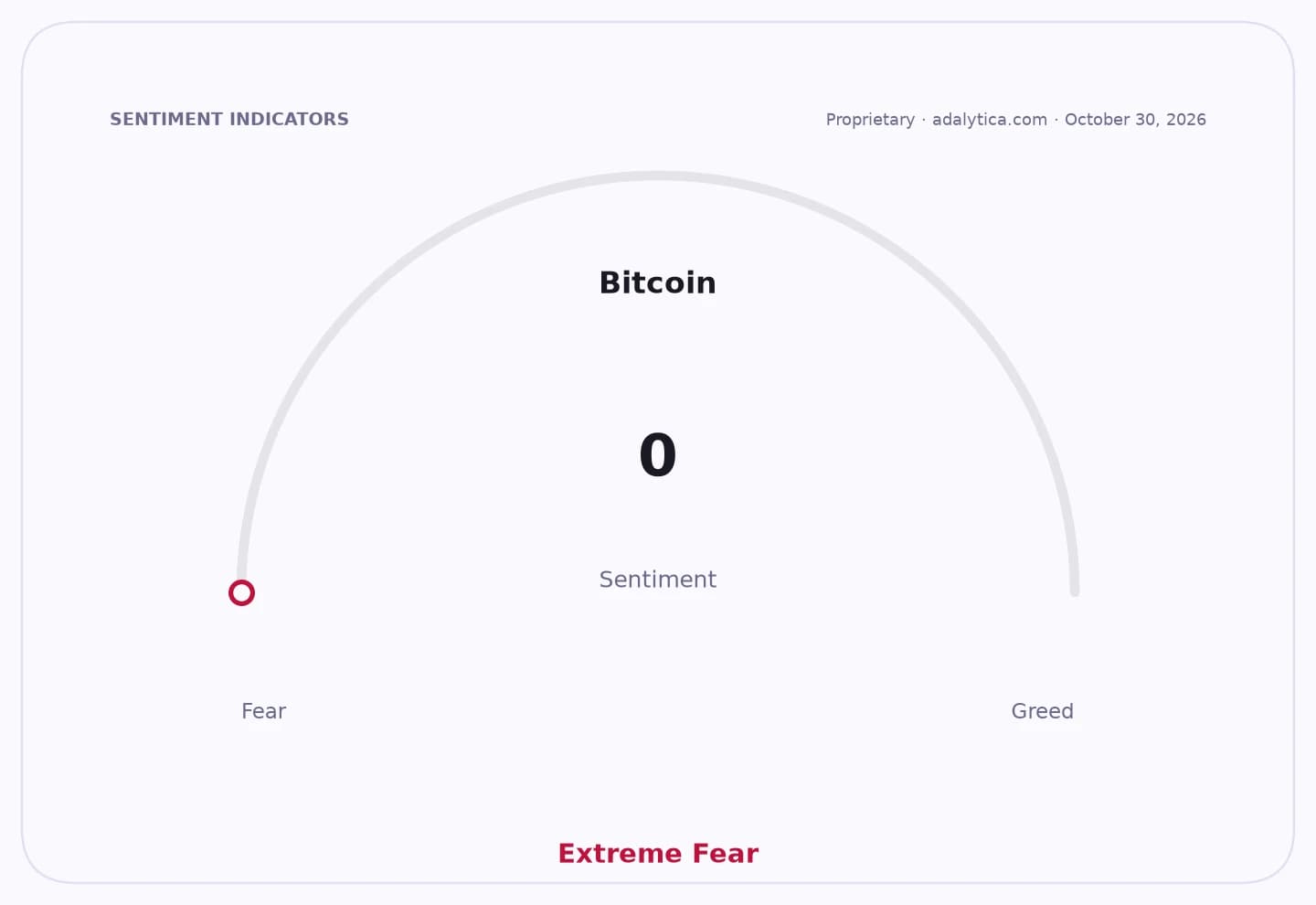
The broader backdrop still favors the network. U.S. spot Bitcoin exchange-traded funds have drawn heavy inflows, futures open interest remains elevated, and Adalytica’s Bitcoin Fear & Greed Index has moved back to 13, still deep in “Extreme Fear” territory even as Bitcoin itself holds up. That combination often creates opportunity for patient investors: strong long-term adoption, weak short-term sentiment, and miners priced as if volatility will never end.
But Buterin’s point also helps explain why mining stocks remain volatile even in a rising Bitcoin market. If nearly half of the cost base is not electricity, then miners cannot rely on lower power prices alone to save margins. They need discipline, scale and access to cheap capital. Those are the traits that matter when the next halving cycle, difficulty increase or price drawdown arrives.
For investors building a long-term crypto exposure, the lesson is simple: Bitcoin may be the asset, but mining is a business. And in that business, the winners are usually the operators that can control both energy and equipment costs while others chase the cycle. Worth watching, but only for investors willing to think in years.
| Entity | Gains | Losses |
|---|---|---|
| Efficient Bitcoin miners | ▲Stronger margins when BTC rises | ▼Exposed to hardware and financing costs |
| Cheap-power operators | ▲Better cost control | ▼Still vulnerable to rig depreciation |
| Bitcoin holders | ▲Support from miner confidence | ▼Short-term volatility in mining shares |
| Higher-cost miners | ▲Little to none | ▼Squeezed margins and weaker cash flow |