Bitcoin’s biggest problem right now may not be regulation or technology, but the market’s own growing maturity. That is the message investors should hear from Chamath Palihapitiya, who once called Bitcoin “gold 2.0” and now says the cryptocurrency’s design makes it a poor fit for central-bank adoption.
Bitcoin falls to $77,000 as momentum weakens

For long-term holders, that matters because the bullish case for Bitcoin has always rested on a simple story: scarce supply, institutional acceptance and a rising role as a macro hedge. Palihapitiya’s reversal does not kill that thesis, but it does underline how much harder it may be for Bitcoin to become a true reserve-like asset if governments and central banks need privacy, fungibility and transactional discretion. Those are not small concerns. Bitcoin’s ledger is transparent by design, and that transparency can make coins with a tainted history harder to use in institutional settings.
Sentiment Indicators
Bitcoin
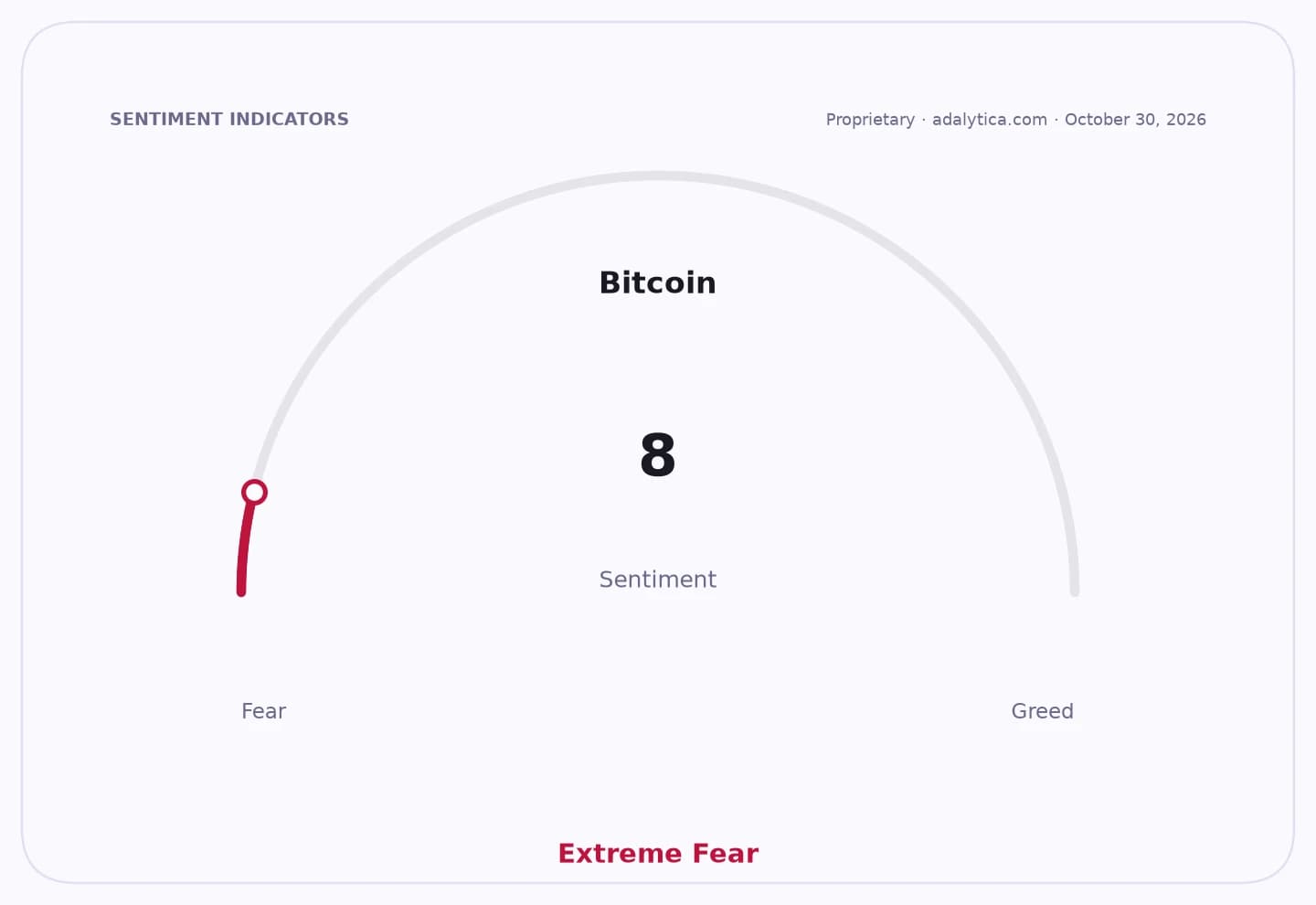
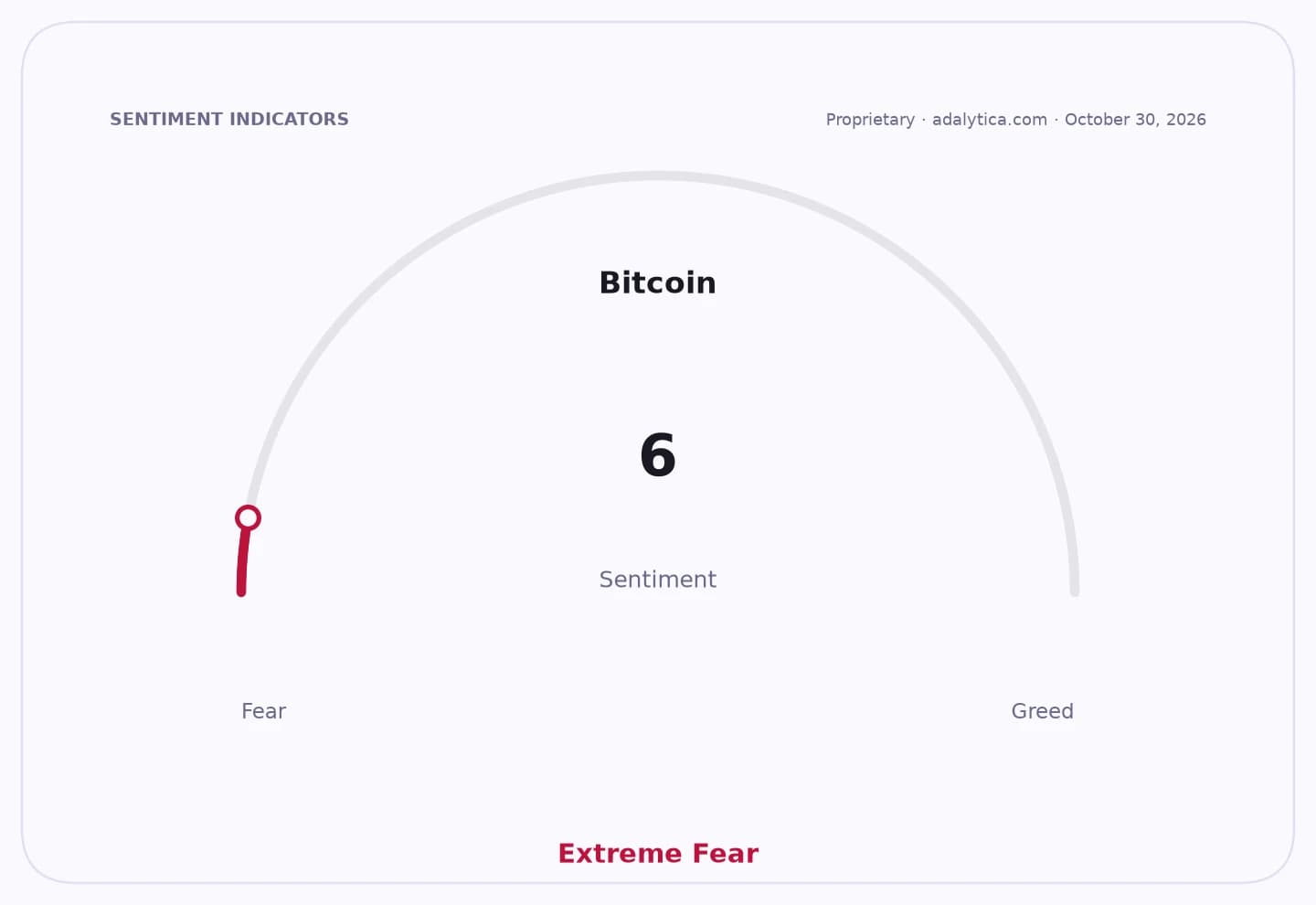
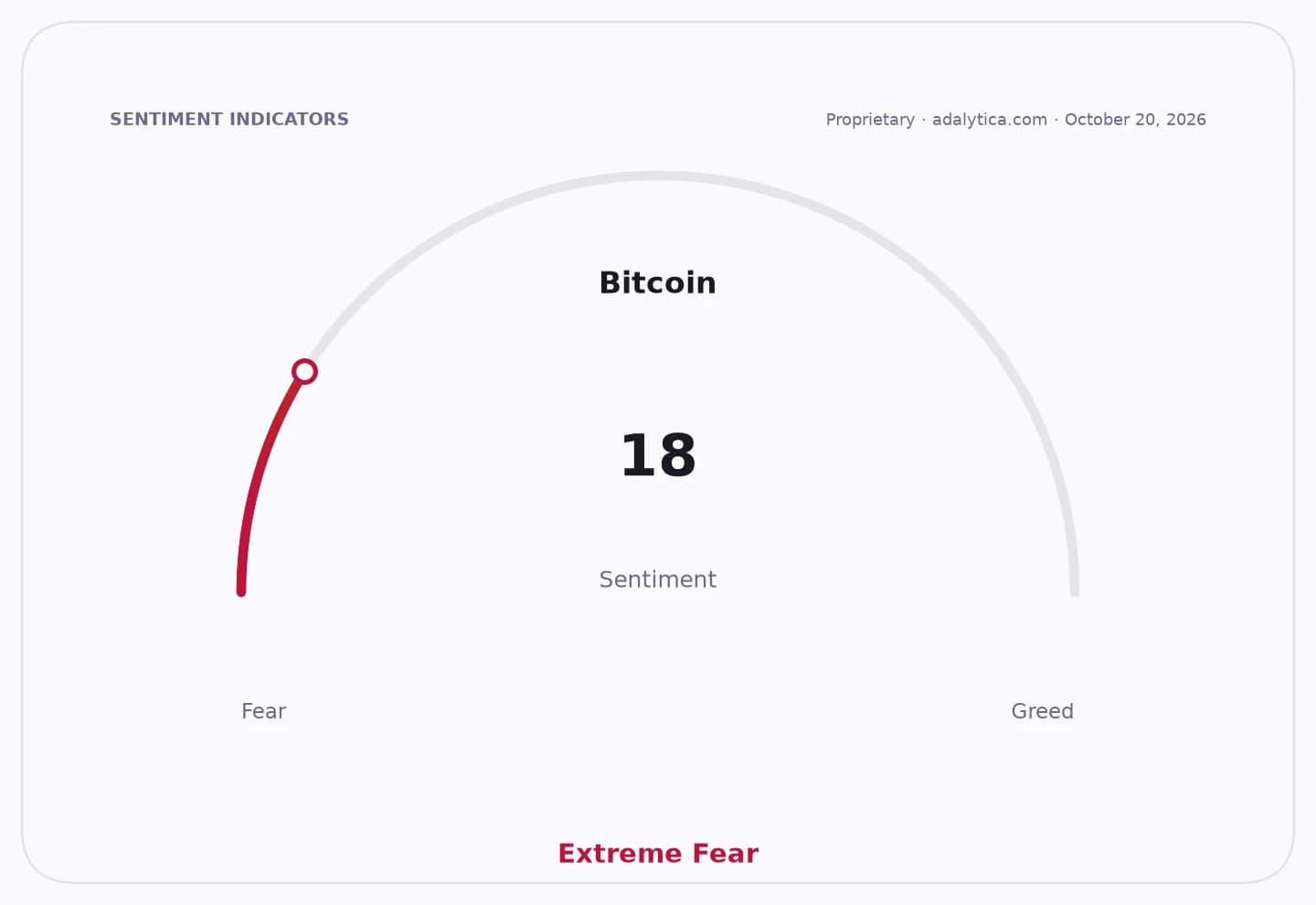
The market backdrop reinforces the point. Bitcoin has been sliding toward the $77,000 area after briefly trading above $81,000, leaving it below its 50-day moving average and well under recent highs. The Relative Strength Index has sunk into the low 30s, a level that usually reflects weak momentum, while the MACD remains negative. In other words, this is not a market that is rewarding easy enthusiasm. Adalytica’s Bitcoin Fear & Greed Index is at “Extreme Fear,” even as awareness remains high, suggesting the asset is still widely watched but poorly loved in the near term.
That tension is exactly why Bitcoin remains such a fascinating long-term asset. The investment case is no longer just about catching a speculative wave; it is about whether Bitcoin can keep earning a place in portfolios as a scarce digital asset while maturing into something institutions can actually hold through full market cycles. ETFs are still attracting money, with recent inflows showing demand has not disappeared, but flows alone have not been enough to prevent price pressure. That is a reminder that adoption and valuation are not the same thing.
For investors, Palihapitiya’s comments should not be read as a death sentence. If anything, they are a useful reality check. Bitcoin has survived louder skeptics than this, and its network effect, liquidity and brand recognition remain powerful advantages. But the next phase may look less like a straight line higher and more like a volatile, cyclical asset that rewards patience, position sizing and a multi-year horizon. If you own Bitcoin, or Bitcoin-linked names such as Marathon Digital and Riot Platforms, the key question is not whether the story is over. It is whether the market has already priced in a more mature, less explosive future. Worth watching, and worth keeping in a diversified portfolio — but not something to chase blindly.
| Entity | Gains | Losses |
|---|---|---|
| Long-term Bitcoin holders | ▲Scarcity thesis intact | ▼Near-term volatility |
| Bitcoin miners like MARA and RIOT | ▲Higher upside if BTC rebounds | ▼Pressure from weak BTC price |
| ETF issuers and brokers | ▲Trading and flow activity | ▼Less momentum-driven demand |
| Skeptics of crypto reserve use | ▲Support for cautionary thesis | ▼Missed upside if adoption deepens |