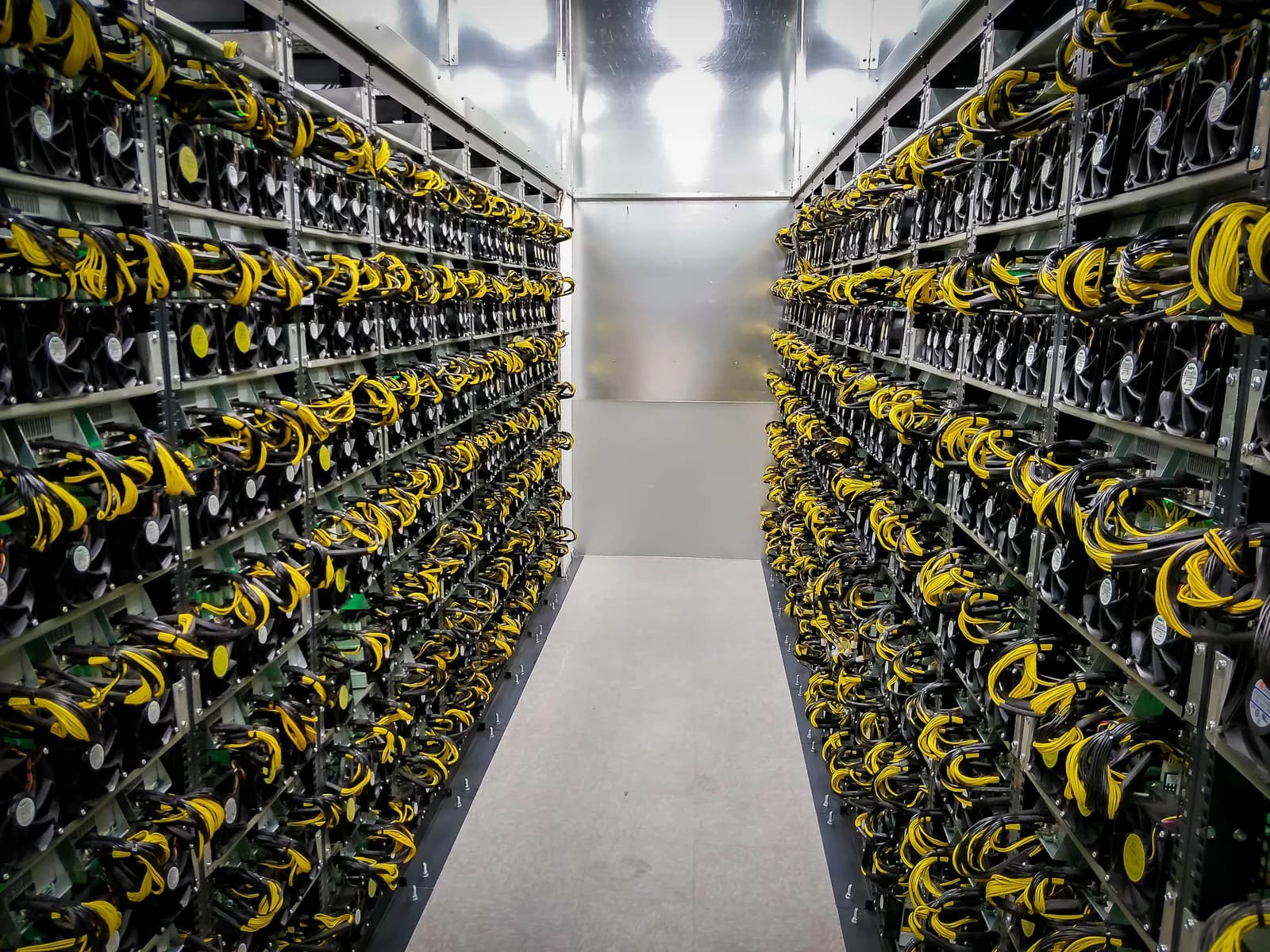
Georgia is emerging as a low-cost crypto infrastructure hub in 2026, and that matters because the economics of digital-asset investing are shifting from pure price speculation toward yield, computing power and energy-intensive infrastructure. For investors in Bitcoin, Ethereum and Ripple, the big question is no longer only whether tokens rise, but whether the assets can be turned into a recurring stream of crypto-linked cash flow through cloud mining platforms.
Georgia cloud mining draws crypto investor attention
Bitcoin
That trend is being reinforced by Georgia’s energy advantage. The country’s abundant hydroelectric resources and competitive power costs have already supported a relatively developed bitcoin mining industry, and the International Monetary Fund has pointed to cheap electricity and hydropower as key reasons the market remains attractive. At the same time, the National Bank of Georgia has tightened the rulebook for virtual asset service providers, introducing requirements around minimum regulatory capital, risk management, cybersecurity and business continuity. For long-term investors, that combination of lower power costs and more formal oversight is exactly what tends to bring fringe crypto activity closer to the mainstream.
Sentiment Indicators
Cloud mining is the story at the center of that shift. FTMINING and similar platforms are pitching access to remote computing power instead of the old model of buying rigs, building facilities and managing maintenance yourself. The appeal is obvious: lower upfront costs, simpler participation and automated daily payouts tied to hashpower contracts. In a market where Bitcoin, Ether and XRP sentiment is deep in “Extreme Fear” on Adalytica.com’s gauges, those yield-style products can look attractive to investors who want exposure without building their own mining operation.
But investors should separate the narrative from the economics. Crypto mining is still a hard business, and the public miners show how unforgiving it can be. MARA, RIOT and CleanSpark have all seen their shares and technical trends weaken sharply in late October, with each trading well below its 50-day moving average. MARA closed at $6.47 on Oct. 30, far under its 50-day average of $10.37, while RIOT fell to $12.22 versus a 50-day average of $18.76. CleanSpark slid to $7.45 from a 50-day average of $11.53. Those gaps tell investors the market is still worried about profitability, energy costs and the volatility of bitcoin-linked cash flows.
That is why the new cloud-mining model deserves attention, even from skeptics. If a platform can genuinely offer lower friction, renewable-powered infrastructure and tighter operational discipline, it may tap demand from smaller holders who want a piece of the mining economics without deploying capital into hardware. Georgia’s grid advantages make it a logical place for that pitch. Clean energy also matters for a sector increasingly judged on sustainability, not just returns.
Still, the long-term case hinges on discipline, not marketing. Cloud mining products can be opaque, contract terms matter, and the same volatility that drives upside in BTC, ETH and XRP can quickly compress returns. The best investors should treat these platforms as speculative exposure to a niche infrastructure trend, not as a substitute for owning the underlying coins or diversified crypto equities.
For patient investors, the broader lesson is that crypto is becoming a more layered ecosystem. Pure token ownership, mining, cloud compute, and blockchain infrastructure are converging. Georgia’s 2026 cloud-mining trend may be small today, but it fits a larger pattern: in crypto, the real money over the next several years may increasingly flow to the picks-and-shovels businesses that control energy, computing and scale. Worth watching, but with caution.
| Entity | Gains | Losses |
|---|---|---|
| FTMINING and cloud miners | ▲Lower entry barriers | ▼Hardware sellers |
| Georgia energy suppliers | ▲More demand for power | ▼High-cost jurisdictions |
| BTC, ETH, XRP holders | ▲New yield access | ▼Pure buy-and-hold only |
| MARA, RIOT, CLSK | ▲None from current slump | ▼Shareholders facing pressure |