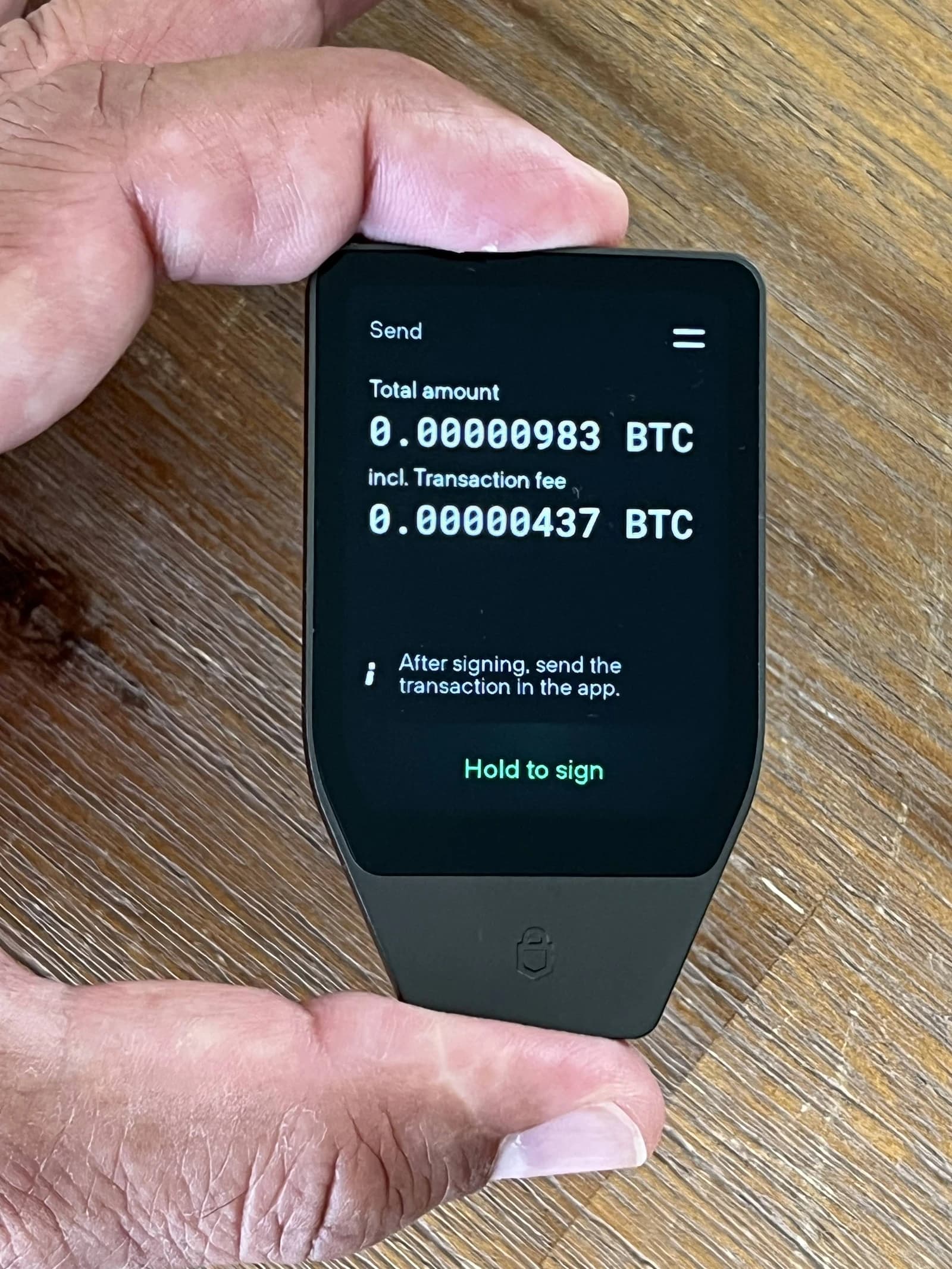
A Singaporean hacker has pleaded guilty to orchestrating the largest Bitcoin theft in U.S. history, a $245 million heist that reinforces how fragile digital-asset security remains even as the market tries to recover from a brutal selloff.
Bitcoin Theft Case Highlights Crypto Security Risks
The case matters well beyond one spectacular crime. It is a reminder that Bitcoin’s investment case still runs through operational trust — custodians, wallets, social engineering defenses and the ability of exchanges to stop bad actors before funds vanish. For investors, that translates into a persistent risk premium over the entire crypto ecosystem, particularly for platforms that hold customer assets or rely on the perception that self-custody and exchange security are good enough.

The plea by 22-year-old Malone Lam also exposes the scale and professionalism of modern crypto crime. Prosecutors said Lam and a group of international hackers stole 4,100 bitcoins from a Washington-area investor in August 2024 after impersonating security personnel from Google and Gemini to induce the victim to install remote-access software. The stolen coins were then blown on a conspicuous spree of cars, watches, luxury goods, rentals and private flights, helping investigators trace the network and build the case. Lam faces up to 20 years in prison.
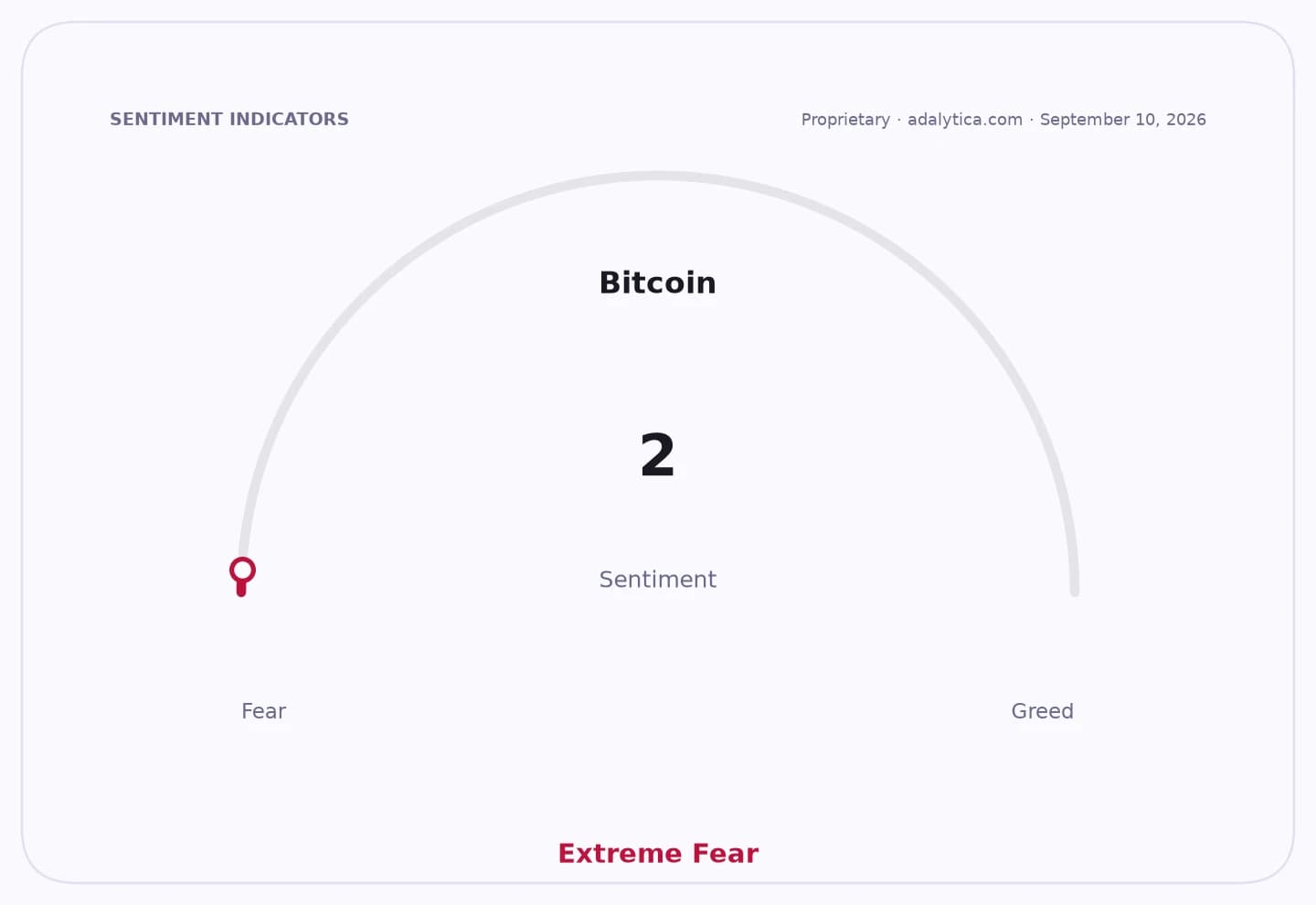
For the market, the timing is awkward. Bitcoin was last trading around $77,112, down sharply from earlier highs and sitting below its 50-day and 200-day moving averages, while RSI readings and the broader tone from Adalytica’s Bitcoin Fear & Greed Index point to extreme fear. That does not mean one theft explains the price action, but it does mean the asset class remains vulnerable to sentiment shocks at precisely the moment traders are already nervous.
Bitcoin — 30-day sentimentadalytica.com
Explore this data interactively — full history, time series and cross-market comparisons.Open AlphaPulse
The deeper investment implication is that the winners in crypto are increasingly likely to be the firms that make custody, compliance and cybersecurity look boring. Exchanges, miners with treasury exposure, custodians and wallet providers all benefit from stronger security standards over time, but the market may still underappreciate how much recurring spend is being pulled toward protection rather than pure growth. That is a tailwind for the picks-and-shovels layer of the industry and a headwind for weaker operators that treat security as a cost center.
Our thesis is straightforward: every headline theft hardens the long-term case for regulated venues, institutional-grade custody and infrastructure that can prove assets are safe. In other words, the biggest beneficiary of crypto crime may be the next generation of security, compliance and custody providers, because the market is finally being forced to price trust as a core asset.
| Entity | Gains | Losses |
|---|---|---|
| Regulated custodians | ▲More trust demand | ▼Higher compliance costs |
| Crypto exchanges | ▲Security premium | ▼Reputational risk |
| Bitcoin holders | ▲Better safeguards | ▼Sentiment shock |
| Hackers/criminal networks | ▲Short-term illicit gains | ▼Prison time, asset seizure |